
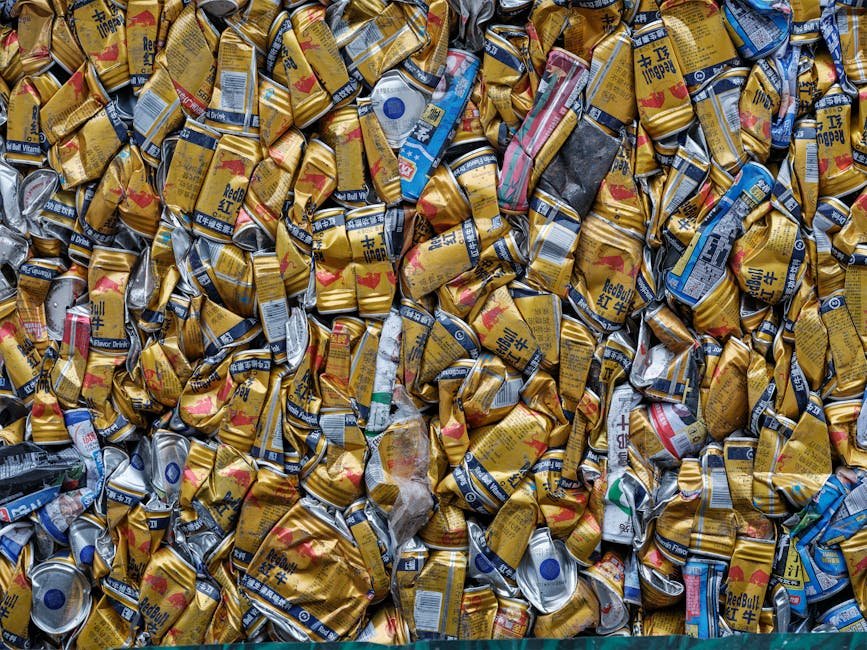

When it comes to can recycling Gawler, both local residents and businesses have a unique opportunity to turn waste into wealth while supporting the environment. Gawler, situated on the fringe of the Adelaide Plains, has a robust infrastructure for metal recovery. Whether you are clearing out a shed or managing industrial quantities of aluminum, understanding the nuances of the local market is key to maximizing your returns.
The Economics of Metal Recycling in Gawler
Understanding the value of your scrap begins with market knowledge. Aluminum, specifically, is a high-demand commodity. Because it is infinitely recyclable without losing its structural integrity, the demand for high-quality scrap is constant. When you engage in can recycling Gawler, you are participating in a global supply chain. Unlike other materials that may end up in landfills, aluminum cans are processed back into new cans in as little as 60 days. This cycle not only saves 95% of the energy required to create new aluminum from raw bauxite ore but also puts money directly back into your pocket.
For those looking for a Metal Recycling Near Me, it is essential to distinguish between the Container Deposit Scheme (CDS) and scrap metal trading. The CDS provides a flat 10-cent refund for eligible containers, which is ideal for small, household-level collections. However, for large-scale scrap metal, professional yards offer per-kilogram pricing based on the current London Metal Exchange (LME) rates. If you have a large volume of aluminum, copper, or steel, visiting a dedicated facility is often more lucrative than individual container returns.
Navigating Local Recycling Infrastructure
Gawler residents are fortunate to have multiple avenues for responsible waste management. If you are specifically searching for can recycling Gawler, you will find that the options range from automated depots to full-service scrap yards. Choosing the right facility depends on the volume and type of metal you possess. For example, if you are a local contractor, you may need a facility that offers weighbridge services and industrial-grade processing.
Many residents rely on the scout recycling gawler programs, which have long been a cornerstone of the community. These programs often provide a convenient way to drop off smaller loads while supporting local youth organizations. However, for those dealing with heavy scrap, copper wiring, or brass fittings, a commercial scrap yard is the preferred destination. You can easily find a Scrap Metal Recycling Near Me by using our comprehensive directory, which ensures you are dealing with licensed, environmentally compliant facilities.
It is important to remember that recycling is not just about the payout; it is about the Recycling Community. By participating in local programs, you help keep Gawler clean and reduce the carbon footprint of the town. For further insights into the broader industry, visit the Scrap Trade Australia portal, which provides updates on national metal pricing trends and regulatory changes.
Best Practices for Preparing Your Scrap
Preparation is the difference between a quick, profitable trip to the yard and a wasted journey. When collecting aluminum cans, ensure they are empty and free from significant contaminants like food waste or plastic liners. While aluminum cans are standard, other scrap metals require more specific handling. For instance, stripping insulation from copper wire can significantly increase the price per kilogram, as pure copper is highly sought after by smelters.
If you are planning a trip to a facility for gawler recycling, follow these professional tips:
- Sort your metals: Never mix ferrous (iron/steel) with non-ferrous (aluminum, copper, brass) metals. Ferrous metals are magnetic and generally have a lower value than non-ferrous metals.
- Clean your scrap: Remove non-metal attachments like wood, plastic, or rubber. Most yards will deduct weight for contaminants.
- Safety first: Wear gloves and sturdy boots. Scrap metal can be sharp and heavy.
- Know your weight: If you have a large load, consider weighing it at home if possible to ensure the facility’s scales match your expectations.
For more detailed guides on how to maximize your scrap value, check out our resources at Scrap Trade. Proper preparation ensures that the recycling process is efficient for both you and the yard operator.
Environmental Impact and the Circular Economy
The circular economy is a model of production and consumption that involves sharing, leasing, reusing, repairing, refurbishing, and recycling existing materials for as long as possible. In the context of Gawler, every can recycled is a step toward a more sustainable future. Aluminum recycling is a standout performer in the circular economy because the metal is 100% recyclable. When you recycle a can, you are preventing the need for destructive mining practices that scar the landscape and consume vast amounts of electricity.
Furthermore, the scrap metal industry in South Australia is strictly regulated. This ensures that hazardous materials—such as lead-acid batteries or mercury-containing switches—are handled safely and do not leach into the local Gawler soil or water table. By choosing to use professional recycling services, you are ensuring that your waste is handled in compliance with EPA standards.
Industrial Scrap vs. Household Recycling
There is a distinct difference between the recycling needs of a household and an industrial enterprise. A household might accumulate a few bags of cans a month, whereas a local workshop might generate tons of steel offcuts and aluminum shavings. Industrial scrap recycling often involves logistics planning, such as the provision of skip bins or regular collection services.
If you represent a business in Gawler, you should prioritize facilities that offer:
- Prompt payment terms: Ensuring cash flow remains steady.
- Logistical support: Access to skip bins and crane-equipped trucks for heavy loads.
- Compliance documentation: Necessary for corporate ESG (Environmental, Social, and Governance) reporting.
- Market transparency: Clear communication regarding pricing fluctuations.
The Future of Recycling in South Australia
The landscape of recycling is changing rapidly. With advancements in AI-driven sorting technology and more stringent waste export bans, the value of domestic recycling is increasing. South Australia has long been a leader in container deposit schemes, and the expansion of these schemes to include more container types is on the horizon. This will likely make can recycling Gawler even more accessible and profitable for the average citizen.
Looking ahead, we expect to see more integration between digital scrap trading platforms and physical yards. This will allow users to lock in prices, view real-time inventory needs of local yards, and schedule drop-offs with ease. Staying informed through industry hubs is the best way to stay ahead of these changes.
Common Pitfalls to Avoid
Even seasoned recyclers make mistakes. One of the most common is assuming that all “shiny” metal is high-value. Many people mistake stainless steel for aluminum, or chrome-plated steel for high-grade alloys. Using a simple magnet test can save you a lot of time. If a magnet sticks to the metal, it is ferrous (iron/steel) and will fetch a lower price than non-ferrous metals like aluminum or copper. Another pitfall is ignoring the “dirty” metal rule. If your scrap is covered in oil, grease, or paint, some yards may reject it or offer a lower price because the contaminants make the smelting process more difficult and environmentally hazardous.
Always call ahead if you are bringing in a large, unusual, or mixed load. A quick phone call can save you a trip if the facility is currently at capacity or if they do not accept certain types of hazardous materials. Being a responsible recycler means respecting the facility’s operational requirements, which in turn builds a better relationship with the local industry.
Conclusion: Taking Action in Gawler
Recycling is more than just a chore; it is a vital service to the community and the planet. Whether you are a casual recycler looking to clear out your garage or a business owner managing industrial waste, Gawler provides the resources you need to succeed. By understanding the value of your materials, preparing them correctly, and choosing the right facilities, you contribute to a stronger, more sustainable local economy.
Remember to utilize the resources provided by local authorities and industry experts to stay updated on the latest pricing and recycling guidelines. Start your journey today by identifying your scrap, finding a reputable local yard, and making the most of your recyclable materials. Together, we can ensure that Gawler remains a leader in sustainable waste management.
Frequently Asked Questions
What is the current refund rate for cans in Gawler?
Under the South Australian Container Deposit Scheme, most eligible beverage containers currently attract a 10-cent refund. You can return these to designated collection depots throughout the Gawler region.
Does it matter if my aluminum cans are crushed?
No, crushing your aluminum cans does not affect their value at recycling depots. In fact, crushing them can save space during transport, making it easier for you to bring larger quantities to the facility.
Where can I find the best prices for bulk scrap metal in Gawler?
Bulk scrap metal prices fluctuate based on the global market. It is recommended to contact local scrap yards directly to ask for their current per-kilogram rates for the specific type of metal you are looking to sell.
Are there specific items I should not include in my scrap metal bin?
Yes, you should never include hazardous items like gas cylinders, pressurized canisters, radioactive materials, or electronics containing batteries. These items require specialized disposal methods to prevent accidents and environmental contamination.