
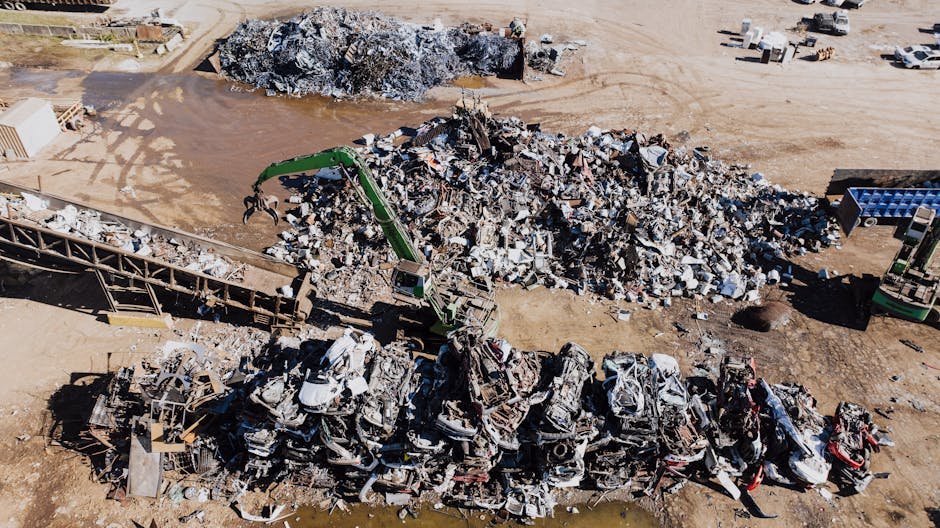

Understanding the role of sims metal recycling within the Australian circular economy is essential for anyone involved in the scrap trade, from individual contractors to large industrial enterprises. As a dominant force in the global market, Sims Metal provides the infrastructure necessary to transform end-of-life products into high-quality secondary commodities. While many individuals search for Scrap Metal Recycling Near Me to find local drop-off points, it is important to recognize how major players like Sims influence the broader supply chain, pricing, and environmental standards of the entire industry.
The Evolution of Sims Metal Recycling in Australia
The history of sims metal recycling is a testament to the growth of industrial recycling in Australia. What began as a smaller enterprise has scaled into a multinational powerhouse, setting the benchmark for processing technology and environmental compliance. Their operations are not just about collecting waste; they are about sophisticated material recovery. By utilizing advanced shredding, sorting, and separation technologies, they ensure that metals are diverted from landfills and returned to the manufacturing cycle.
For those looking for Metal Recycling Near Me, understanding the scale of the industry helps in identifying which facilities are best equipped to handle specific material grades. Sims Metal operates a network of sites that accept everything from household appliances to complex industrial machinery. Their capacity to process massive volumes of steel, aluminum, copper, and brass is a critical component of the Australian economy, helping to stabilize the supply of raw materials for domestic and export markets.
Strategic Impact on the Scrap Trade Ecosystem
The presence of large-scale operators creates a ripple effect throughout the scrap industry. When you engage in Core Metal Recycling, you are often participating in a market that is indirectly influenced by the pricing mechanisms and demand signals set by global leaders like Sims. Their ability to move high volumes of scrap allows them to maintain liquidity in the market, which in turn supports smaller traders and yards.
In regional hubs, such as those seeking metal recycling sunshine or specialized services like metal recycling greenacre, the availability of professional recycling infrastructure is vital. These locations serve as essential nodes that connect local scrap generation with the broader processing network. Whether you are a tradesperson, a demolition contractor, or a household recycler, utilizing established facilities ensures that your scrap is handled in accordance with modern environmental regulations, such as those overseen by the EPA in various Australian states.
Technological Advancements in Metal Recovery
One of the defining features of sims metal recycling is its heavy investment in technology. The process of turning scrap into a commodity is no longer a manual task; it is a highly automated engineering feat. Modern facilities utilize X-ray fluorescence (XRF) and optical sorting to identify and separate alloys with extreme precision. This level of accuracy is what differentiates high-grade scrap from contaminated waste.
For those interested in the technical side of the industry, the Scrap Trade platform offers extensive insights into how different metals are graded and valued. By understanding the specifications required by large processors, recyclers can improve their sorting techniques, leading to higher payouts and reduced waste. The industry is moving toward a future where “urban mining” is as common as traditional extraction, and companies like Sims are at the forefront of this transition.
Sustainable Practices and Environmental Stewardship
Sustainability is at the core of the modern metal recycling industry. By recycling metals, we significantly reduce the energy consumption and carbon emissions associated with primary mining and smelting. For instance, recycling aluminum requires only a fraction of the energy needed to produce it from bauxite ore. This creates a powerful incentive for both the public and private sectors to prioritize recycling.
When you choose to work with reputable recyclers—whether it is a major facility or a specialized local yard found on Scraptrade.com.au—you are contributing to a circular economy. Environmental stewardship also involves the responsible handling of hazardous materials often found in scrap, such as refrigerants, oils, or heavy metals. Leading operators have rigorous protocols to ensure these materials are safely extracted and disposed of, preventing soil and water contamination.
Market Trends and Future Outlook
The scrap metal market is inherently volatile, influenced by global commodity prices, geopolitical events, and domestic construction activity. Staying informed about these trends is crucial for any participant in the industry. The demand for green steel and recycled aluminum is currently at an all-time high as manufacturers strive to meet carbon reduction targets. This shift is driving innovation in how scrap is collected, processed, and traded.
Looking ahead, we can expect to see increased digitalization in the scrap trade. From blockchain-enabled supply chain tracking to real-time pricing apps, the industry is becoming more transparent and efficient. For the individual recycler, this means better access to information and more competitive pricing. It is a dynamic time to be involved in the metal recovery sector, as the value of “waste” continues to rise in the eyes of global industry leaders.
Practical Tips for Maximizing Scrap Value
To get the most out of your scrap, preparation is key. Regardless of where you take your materials, following these best practices will increase your return:
- Sort by Metal Type: Never mix ferrous (magnetic) and non-ferrous (non-magnetic) metals. Copper, brass, and aluminum should always be separated.
- Clean Your Scrap: Removing non-metal attachments like plastic, wood, or rubber significantly increases the value of your load.
- Know Your Grades: Learn the difference between “bright and shiny” copper, “number 2” copper, and insulated wire.
- Safety First: Always wear protective gear, especially when handling sharp or heavy items.
- Check Current Rates: Use online resources to check the general market trend before visiting a yard.
- Build Relationships: If you are a regular supplier, building a rapport with your local yard manager can lead to better service and potentially better pricing.
By following these steps, you align yourself with the professional standards expected by high-volume processors. Whether you are dealing with a small bin of copper or a truckload of structural steel, treating your scrap as a valuable raw material rather than trash will yield better financial results.
Conclusion: The Future of Metal Recycling
The metal recycling industry is the backbone of sustainable manufacturing. Through the efforts of major entities and the collective action of local recyclers, millions of tonnes of metal are kept out of landfills annually. Understanding the landscape—from the massive scale of operations like Sims to the local convenience of neighborhood yards—empowers you to make better decisions. As we move toward a more sustainable future, the importance of efficient, transparent, and environmentally responsible metal recovery will only grow. Continue to educate yourself, sort your materials carefully, and leverage the tools available to ensure you are getting the best value for your scrap while supporting a healthier planet.
Frequently Asked Questions
How does Sims Metal Recycling impact local scrap prices?
As a major market player, Sims Metal influences regional pricing by setting benchmark rates for different metal grades based on international commodity markets. Their scale allows them to maintain consistent demand, which provides a price floor for smaller local scrap yards.
Can individuals sell scrap directly to large recycling facilities?
Yes, most large-scale recycling facilities have public weighbridges and drop-off areas that accept scrap from individuals and small businesses. It is recommended to contact the specific site beforehand to confirm their current requirements and hours of operation.
What is the difference between ferrous and non-ferrous scrap?
Ferrous metals contain iron and are magnetic, such as steel and iron, while non-ferrous metals do not contain iron and are generally more valuable, including copper, aluminum, brass, and lead. Separating these two categories is the most important step in preparing scrap for recycling.
Why is it important to clean scrap metal before selling it?
Cleaning scrap by removing non-metallic contaminants like plastic, wood, or dirt increases the purity of the material. Recyclers pay higher prices for clean, sorted loads because it reduces the labor and energy required to process the material into a usable commodity.