
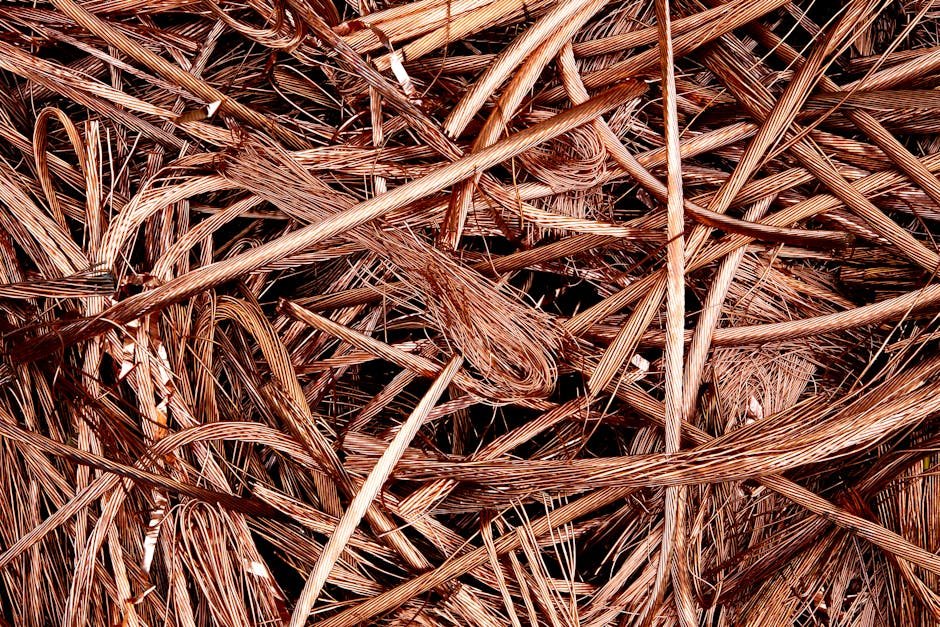

When it comes to scrap copper recycling Regents Park, understanding the nuances of the metal trade is essential for maximizing your return on investment. Whether you are a demolition contractor, an electrician, or a local business owner with excess metal, navigating the complexities of grading and market fluctuations is key to success. As the demand for sustainable materials grows, the role of professional recycling facilities becomes increasingly vital to the circular economy in New South Wales.
The Importance of Copper Recycling in the Modern Economy
Copper is one of the most versatile and valuable industrial metals on the planet. Its exceptional conductivity and corrosion resistance make it indispensable for everything from electrical grids to plumbing systems. However, mining virgin copper is an energy-intensive process that significantly impacts the environment. By participating in scrap copper recycling Regents Park, you are actively reducing the need for destructive mining practices. Recycling copper requires up to 85% less energy than producing it from raw ore, making it a cornerstone of sustainable industrial practices.
For those looking to understand the broader industry, it is helpful to distinguish between different operational models. Understanding the nuances of Scrap Trading Vs Recycling Business can help you determine the best way to move your materials. While some businesses focus on the logistics of collection and sorting, others act as intermediaries in the global commodities market. Regardless of your specific role, the goal remains the same: efficient resource recovery.
Understanding Copper Grades: How to Maximize Value
To get the best copper price per kg, you must know how to grade your scrap. Copper is not a one-size-fits-all commodity; it is categorized based on purity, oxidation levels, and the presence of contaminants. The following grades are standard across the industry:
- Bare Bright Copper: This is the gold standard of scrap copper. It consists of clean, unalloyed, uncoated, and uninsulated copper wire, typically 16-gauge or thicker. It must be free of oxidation and other impurities.
- Number 1 Copper: This includes clean copper pipe and wire that is free of fittings, solder, or paint. It may have slight oxidation but should be free of other metals.
- Number 2 Copper: This grade includes copper that has been soldered, contains minor impurities, or has significant oxidation. It is still valuable but commands a lower price than Number 1.
- Insulated Copper Wire: This is graded based on the percentage of copper recovery. High-yield wire (thick, heavy insulation) fetches higher prices than thin, data-grade wire.
By properly sorting your materials before heading to a facility, you ensure that you receive the highest possible payout. If you are handling large volumes, you might find it beneficial to join a Copper Scrap Group to stay updated on market trends and best practices for sorting and preparation.
The Technical Process of Copper Recycling
The recycling process is a sophisticated sequence of operations designed to restore copper to its original purity. Once collected at a facility, the copper is first inspected and sorted. Automated machinery, including magnetic separators and eddy current sorters, is often used to remove ferrous metals and non-metallic contaminants like plastic insulation from copper wire.
After sorting, the copper is shredded or granulated to reduce its volume and improve its density. The resulting material is then melted in high-temperature furnaces. During this stage, impurities are skimmed off the surface, and the molten metal is refined through electrolysis to achieve the 99.99% purity required for industrial applications. This refined copper is then cast into ingots, rods, or billets, ready to be manufactured into new copper pipe or electrical components. This closed-loop system is why copper is considered a “permanent material”—it can be recycled indefinitely without losing its inherent properties.
Local Logistics: Finding Reliable Recycling Services
For those in Western Sydney, proximity to processing facilities is a significant logistical advantage. If you are searching for Scrap Metal Recycling Near Me, it is important to consider not just the distance, but the service quality, weighing accuracy, and payment terms of the facility. Reliable partners provide transparent reporting and competitive pricing, ensuring that your scrap management contributes positively to your bottom line.
We have seen a surge in demand for specialized services in neighboring areas as well. For instance, many contractors are now utilizing scrap copper recycling fairfield east facilities to streamline their operations, while others operating further out are leveraging scrap copper recycling clyde sites for bulk processing. Choosing a facility that understands your specific needs as a tradesperson or business owner is essential. For comprehensive market information and industry updates, you can visit the Australian scrap metal trading hub to stay informed on the latest developments in the sector.
Environmental Benefits and Regulatory Compliance
Beyond the financial incentives, there is a profound environmental imperative to recycle scrap metal. Copper mining creates massive tailings piles and consumes vast quantities of water, often leading to habitat destruction and water pollution. By recycling, we mitigate these impacts. Furthermore, the energy savings associated with recycling copper translate to a significant reduction in greenhouse gas emissions.
In Australia, regulatory compliance is also a major factor. Facilities must adhere to strict environmental standards regarding the handling of hazardous materials, such as lead-based solder or contaminated insulation. When you choose to work with a reputable recycling partner, you are ensuring that your waste is being handled in accordance with local environmental laws, which protects you from potential liability and supports the health of the local Regents Park community.
Practical Tips for Managing Scrap Copper on Site
To maximize efficiency, treat your scrap like a valuable asset rather than waste. Here are some practical tips for site management:
- Segregation at Source: Place separate bins for different grades of copper on your job site. Do not mix clean pipe with insulated wire.
- Strip Your Wire: If you have the volume, stripping insulation from thick cables can significantly increase the value per kilogram.
- Keep it Clean: Contamination is the enemy of profit. Ensure your copper is free of dirt, oil, grease, and plastic attachments.
- Track the Market: The copper price per kg is volatile and changes daily. Keep an eye on global commodity markets to decide when to sell your accumulated stock.
- Documentation: Keep accurate records of your scrap sales for tax and business reporting purposes.
By implementing these simple strategies, you can turn a messy site into a profit center. Remember, the effort you put into sorting pays off directly in the price you receive at the scales.
The Future of the Copper Trade
The transition toward renewable energy is driving an unprecedented demand for copper. Electric vehicles, wind turbines, and solar arrays all require significantly more copper than their traditional counterparts. This long-term trend suggests that the value of scrap copper will remain high for the foreseeable future. As a participant in the recycling ecosystem, you are not just clearing out old materials—you are fueling the next generation of green technology.
If you are interested in exploring the broader aspects of the industry, our team at Scrap Trade provides extensive resources for those looking to deepen their understanding of metal markets and recycling logistics. Whether you are a small-scale recycler or a large industrial entity, staying connected to the industry pulse is the best way to ensure long-term profitability and sustainability.
Conclusion
Recycling is more than just a disposal method; it is a vital industrial process that supports the economy and the environment. Whether you are dealing with high-grade bare bright copper or bulk quantities of insulated wire, taking a structured approach to scrap copper recycling Regents Park will yield the best results. By understanding the grades, managing your scrap effectively, and partnering with reputable local facilities, you can ensure that your operations are both profitable and environmentally responsible. As we look toward a future defined by electrification and resource efficiency, your commitment to recycling will play a crucial role in building a more sustainable Australia.
Frequently Asked Questions
What is the most valuable grade of scrap copper?
Bare bright copper is the most valuable grade. It consists of clean, unalloyed, and uncoated copper wire that is free from any oxidation or contaminants.
How does the copper price per kg fluctuate?
The price of copper is determined by global commodity markets, supply and demand dynamics, and the strength of the Australian dollar. Because it is a traded commodity, prices can change daily based on industrial output and global economic reports.
Should I strip insulation off copper wire before recycling?
If the copper wire is thick and you have a large volume, stripping the insulation can significantly increase the value of your scrap. However, for very thin wire, the labor cost of stripping may outweigh the price difference, so it is best to check with your local recycler.
Why is it important to sort copper before taking it to a recycler?
Sorting your copper by grade ensures you receive the highest possible payout for each type of metal. Mixing high-grade copper with lower-grade or contaminated materials can result in the entire load being downgraded to the lowest common denominator price.