
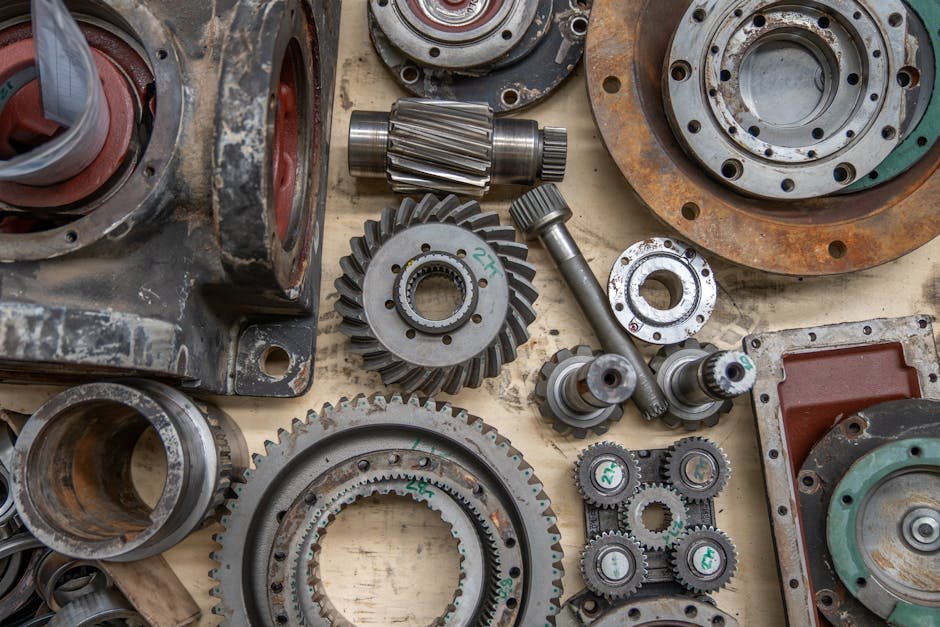

When discussing sgs parts within the context of global scrap metal trading and industrial recycling, it is essential to understand that these components represent the intersection of quality assurance and material recovery. In the Australian industrial landscape, the term often refers to parts that have undergone rigorous inspection processes to ensure material integrity, making them highly sought after in both the secondary manufacturing market and the specialized scrap recycling sector.
The Role of SGS Parts in Industrial Recycling
The global supply chain for industrial components is heavily reliant on standards set by organizations like SGS. When machinery reaches the end of its operational lifecycle, the components—often categorized as sgs parts—do not simply become waste. Instead, they are evaluated for their metallurgical value. High-grade steel, specialized alloys, and precision-engineered components are recovered, processed, and reintroduced into the circular economy. This process is vital for Australian businesses looking to optimize their asset recovery strategies.
For those managing industrial decommissioning, it is often more profitable to Sell Scrap Machinery Parts To Overseas Buyers who specialize in refurbishing or smelting these high-quality materials. By leveraging international demand, Australian scrap dealers can achieve better margins than domestic-only sales. The process requires an understanding of export regulations, material grading, and the specific requirements of international buyers who prioritize certified components.
Categorizing Scrap Machinery and Automotive Components
Not all scrap is created equal. When dealing with heavy machinery, the distinction between general scrap and precision-engineered parts is significant. If you are looking to Sell Steel Machinery Scrap Equipment Machine Parts, you must first categorize them by alloy composition and mechanical condition. This is where the expertise of a professional scrap platform becomes indispensable. Whether you are dealing with hydraulic systems, gear assemblies, or structural steel frames, proper classification ensures maximum return on investment.
Similarly, the automotive sector presents unique opportunities. Many businesses searching for sgs auto parts are looking for specific, verified components that can be repurposed or recycled for their high-density metal content. In regional hubs, specialized facilities like sgs auto parts kurri serve as critical nodes in the supply chain, facilitating the aggregation and processing of automotive scrap that would otherwise end up in landfills. By focusing on these specific niches, recyclers can streamline their operations and provide a more reliable stream of raw materials to manufacturers.
Metal Stamping and Precision Scrap Recovery
Metal stamping is a cornerstone of modern manufacturing, producing everything from automotive chassis components to electronic housings. The byproduct of this process—punched parts and blanks—represents a high-value stream for scrap traders. If you are looking to Buy Metal Stamping Scrap Punched Parts Blanks, you are essentially acquiring high-quality, pre-sorted industrial material that requires minimal processing before it can be smelted. This efficiency makes it a preferred choice for large-scale recyclers.
The value of these blanks lies in their consistency. Because they are produced under controlled manufacturing conditions, their chemical composition is usually well-documented. This transparency is highly valued in the global scrap market, as it reduces the risk for the end-user (the smelter). For Australian businesses, maintaining a consistent supply of these materials is a competitive advantage. Utilizing a centralized scrap trading platform allows companies to connect with verified buyers and sellers, ensuring that the market for these specialized materials remains liquid and transparent.
Quality Assurance and Material Verification
Why is the SGS designation so important in the scrap industry? It serves as a benchmark for quality. When a part is identified as meeting SGS standards, it implies that the material has been tested for composition, purity, and mechanical properties. In the scrap industry, this reduces the need for expensive on-site lab testing. Whether you are dealing with heavy machinery or automotive components, knowing the exact material grade allows for better pricing and faster transactions.
For those operating in the Australian market, understanding the local regulatory environment is equally important. The Australian scrap metal trading directory provides a comprehensive look at how local businesses can align their operations with international standards. By adopting these rigorous verification processes, Australian recyclers position themselves as reliable partners in the global supply chain, capable of supplying high-grade materials to manufacturers in Asia, Europe, and the Americas.
Optimizing Logistics for Scrap Metal Export
Logistics often accounts for the largest portion of the cost in scrap metal trading. When moving heavy machinery parts or large volumes of stamped metal, the geography of Australia presents unique challenges. Efficient transport, containerization, and port management are critical. Expert traders use data-driven logistics to minimize transit times and reduce the carbon footprint of their operations.
Furthermore, understanding the customs requirements for different types of metal scrap is essential. Some materials are classified as hazardous or restricted, requiring specific documentation. By working with experienced freight forwarders and adhering to international scrap trading standards, businesses can avoid costly delays. This level of professionalization is what separates successful scrap enterprises from those that struggle with fluctuating market conditions.
The Future of Circular Manufacturing
The shift toward a circular economy is accelerating, and the scrap metal industry is at the forefront of this transition. By recovering high-quality materials from end-of-life machinery, we reduce the need for virgin ore mining, which is energy-intensive and environmentally taxing. The recycling of sgs parts and other precision components is a key driver in this sustainable evolution.
As technology advances, we expect to see better automated sorting technologies, such as AI-driven optical sensors and X-ray fluorescence (XRF) analyzers, becoming standard in scrap yards. These tools will allow for even more accurate identification of metal grades, further increasing the value of recovered materials. For Australian businesses, early adoption of these technologies will be a major differentiator in the global market.
Practical Tips for Scrap Metal Traders
- Document Everything: Maintain detailed records of material composition, origin, and inspection certificates. This builds trust with overseas buyers.
- Network Locally and Globally: Use digital platforms to bridge the gap between local collection points and international smelting facilities.
- Focus on Purity: Contamination is the enemy of value. Invest in cleaning and sorting processes to ensure your scrap meets the highest possible grade.
- Stay Informed: The scrap market is highly volatile. Keep track of LME (London Metal Exchange) prices and regional demand trends.
- Prioritize Safety: Handling heavy machinery parts requires strict adherence to safety protocols. Never compromise on worker safety for the sake of speed.
Conclusion
Navigating the world of industrial scrap requires a blend of technical knowledge, logistical expertise, and a commitment to quality. Whether you are dealing with high-value machinery components or bulk metal stamping byproducts, the key to success lies in verification and efficient trade. By focusing on high-standard materials and leveraging digital marketplaces, Australian businesses can maximize their returns and contribute to a more sustainable global manufacturing sector. The future of the industry is bright for those who embrace transparency and technological innovation.
Frequently Asked Questions
What does the SGS certification mean for scrap metal?
SGS certification indicates that the material or part has been inspected and verified for its quality, chemical composition, and mechanical properties. This provides buyers with the confidence that the scrap meets international industrial standards.
Why should I sell my scrap machinery parts to overseas buyers?
Overseas buyers often have a higher demand for specialized industrial components and can offer better pricing than domestic scrap yards. They frequently have the capacity to refurbish or process high-grade alloys that are in short supply globally.
How can I ensure my scrap metal is classified correctly?
You should use XRF (X-ray fluorescence) analyzers to determine the exact alloy composition of your scrap. Proper documentation and working with a reputable trading platform also help ensure your materials are graded and priced accurately.
What is the benefit of buying metal stamping scrap?
Metal stamping scrap consists of pre-sorted, clean, and consistent material, usually high-grade steel. It is ideal for smelters because it requires minimal processing and provides a predictable chemical profile for manufacturing new products.