
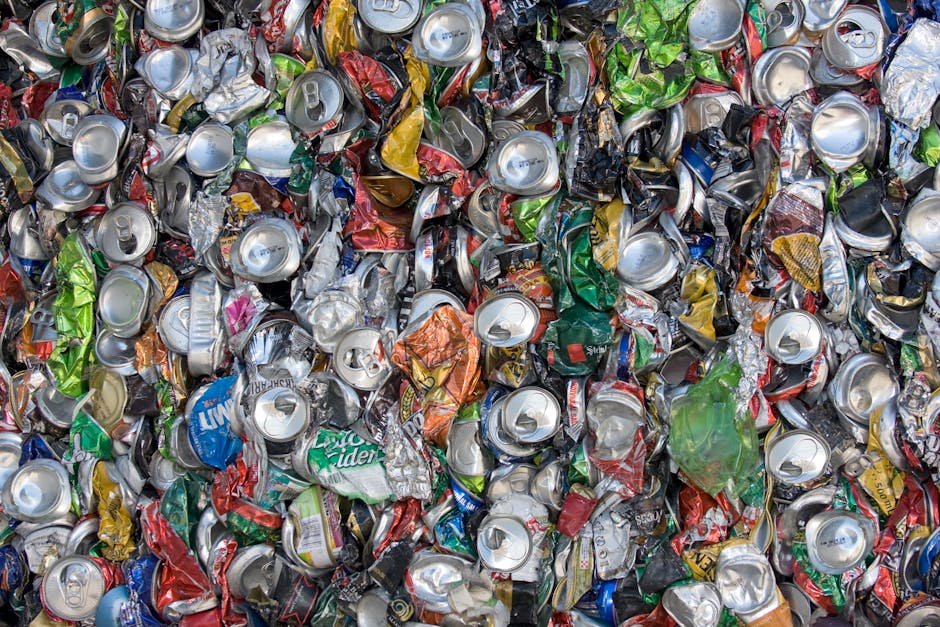

Aluminium Recyclers Artarmon: The Complete Guide
When searching for aluminium recyclers Artarmon, it is crucial to partner with facilities that prioritize transparency, environmental compliance, and fair market valuation. Artarmon, as a central industrial hub in Sydney’s Lower North Shore, serves as a vital node for the collection and processing of high-grade non-ferrous metals. Whether you are a construction firm managing site waste or a local resident clearing out household items, understanding the lifecycle of your scrap is the first step toward maximizing your return on investment.
The Aluminium Recycling Process: From Scrap to Sustainable Resource
The journey of aluminium from a discarded item to a high-value industrial resource is a masterclass in circular economy efficiency. Unlike many other materials, aluminium is infinitely recyclable without losing its structural integrity. When you bring your materials to aluminium recyclers Artarmon, the process begins with rigorous sorting. Materials are separated by alloy type, such as 6063-grade aluminium extrusion commonly found in window frames, or the 3000-series alloy used in aluminium cans.
Once sorted, the scrap is cleaned of contaminants like paint, plastic, or steel fasteners. This cleaning phase is critical because impurities can compromise the quality of the molten metal. The scrap is then shredded into small, uniform pieces to increase its surface-area-to-volume ratio, making it easier to melt. These shredded pieces are processed through a de-coating kiln to remove any remaining lacquers or oils. Finally, the material is melted in a furnace, refined to reach specific metallurgical standards, and cast into ingots or billets. These billets are then shipped back to manufacturers to create new products, closing the loop on the production cycle.
For those looking to understand the broader landscape of how industry players source their materials, reading about How Recyclers Find Industrial Scrap Sellers provides insight into the logistical coordination required to keep these recycling streams flowing efficiently.
Drop-off vs. Pickup: Choosing the Right Logistics for Your Scrap
Managing the logistics of scrap metal can be a significant overhead for businesses. Choosing between a drop-off and a pickup service depends largely on the volume of your scrap and your operational capacity. For small to medium-sized loads, a drop-off at a local aluminium recyclers Artarmon facility is often the most cost-effective solution. Drop-off centers are equipped with weighbridges and digital scales that provide instant, transparent readings, allowing you to settle your account immediately.
Conversely, for large-scale industrial projects, a professional pickup service is usually required. This involves the deployment of specialized bins or skip services tailored to the volume of your aluminium scrap. When coordinating a pickup, ensure that your site has adequate access for heavy vehicles and that your scrap is segregated to avoid cross-contamination with ferrous metals. If you are dealing with significant quantities, it is highly recommended to consult a Bulk Aluminium Scrap Buying Guide to ensure your site safety and logistical preparations are up to industry standards.
Furthermore, if you are looking for specialized services in the area, you might also consider artarmon brass recyclers for your non-ferrous copper-based scrap, or if your site generates automotive components, artarmon catalytics converter recyclers are essential partners for managing high-value precious metal recovery.
Understanding the Aluminium Price and Market Fluctuations
The aluminium price is a dynamic figure, heavily influenced by the London Metal Exchange (LME), global supply chain logistics, and local demand within Australia. As a seller, understanding what drives these fluctuations can help you time your sales for maximum profit. Factors such as energy costs, which are a significant component of the primary aluminium smelting process, often have a secondary effect on the price of recycled aluminium. When primary production costs rise, the demand for recycled aluminium—which requires 95% less energy to produce—tends to increase, driving up the scrap price.
To stay informed about daily price movements and connect with other industry professionals, joining an Aluminium Scrap Whatsapp Group can provide real-time updates and networking opportunities. By staying connected, you ensure that you are not just selling your scrap, but selling it at the right time to the right buyer. For a comprehensive overview of how to maximize your returns across all metal types, visit the Scrap Trade platform for expert advice on market dynamics.
Environmental Impact: Why Recycling Matters
The environmental case for recycling aluminium is indisputable. The extraction of bauxite—the raw ore used to create primary aluminium—is an energy-intensive and ecologically disruptive process. By utilizing al recycling, we significantly reduce the need for bauxite mining, preserve natural landscapes, and drastically lower carbon emissions. In Australia, the recycling industry is a cornerstone of the nation’s sustainability targets. Every tonne of recycled aluminium saves approximately 14,000 kilowatt-hours of electricity compared to primary production.
Beyond energy savings, recycling prevents massive amounts of waste from entering landfills. Aluminium, if left in the environment, does not biodegrade, but it does oxidize, potentially leaching substances into the soil. By directing your scrap to a certified facility in Artarmon, you are actively participating in a global effort to reduce industrial waste and promote a circular economy. Whether you are dealing with aluminium extrusion or simple aluminium cans, your contribution helps reduce the collective carbon footprint of the Australian construction and manufacturing sectors.
Maximizing Your Scrap Value: Expert Tips for Sellers
To get the best value from your scrap, preparation is key. Here are several expert tips to optimize your returns:
- Segregation: Never mix different grades of aluminium. High-grade extrusion fetches a higher price than mixed scrap. Keep your 6063-grade aluminium separate from cast aluminium.
- Cleanliness: Remove non-metallic attachments. Steel screws, rubber gaskets, and plastic clips are considered contaminants and will reduce the price per kilogram.
- Volume Management: If you are a business, consolidate your scrap. Larger, cleaner loads are more attractive to recyclers and can often negotiate a better price per tonne.
- Documentation: Keep accurate records of your scrap sales. This is not only good for tax purposes but also helps you track your waste management efficiency over time.
- Safety First: Always wear appropriate PPE when handling scrap, especially if it involves jagged edges or heavy industrial offcuts.
By following these practices, you demonstrate to the recycler that you are a professional supplier, which often leads to more favorable long-term relationships and better pricing tiers. For more resources on managing your scrap footprint, you can explore the Australian scrap trade network for additional industry insights.
The Future of Recycling in Artarmon
The industrial landscape of Artarmon is evolving, with a greater emphasis on sustainable waste management and advanced recycling technologies. As more businesses adopt ESG (Environmental, Social, and Governance) criteria, the demand for certified, transparent recycling partners is at an all-time high. The future of al recycling lies in automated sorting technologies and improved supply chain traceability, ensuring that every piece of scrap is accounted for and processed with maximum efficiency.
As technology advances, we expect to see more integration between scrap producers and recyclers, with digital platforms playing a larger role in coordinating logistics and pricing. This digital transformation will make it easier for smaller operators to access the same high-level service as large industrial players, leveling the playing field and encouraging higher rates of recycling across the board. By choosing to work with established recyclers now, you are positioning yourself at the forefront of this sustainable shift.
Conclusion: Taking Action Today
Recycling aluminium is more than just a way to clear out a workspace; it is a vital contribution to the circular economy and a smart financial decision. Whether you are a local contractor in Artarmon or a large-scale industrial manufacturer, the path to sustainable metal management is clear. By understanding the recycling process, optimizing your logistics, and staying informed about market prices, you can turn your waste into a valuable asset.
We encourage you to reach out to local experts, utilize the resources provided, and prioritize ethical disposal methods. The benefits—ranging from reduced landfill waste to significant energy savings—are profound. Start by auditing your current scrap accumulation, separating your materials, and contacting a reputable recycler to discuss your options. Your commitment to recycling today ensures a more sustainable and resource-efficient tomorrow for the entire Sydney region and beyond.
Frequently Asked Questions
What is the best way to prepare aluminium scrap for recycling?
The best way to prepare scrap is to remove all contaminants like plastic, rubber, and steel fasteners. Segregating different grades of aluminium, such as extrusion versus cast, will also help you secure a higher price.
Do I need to make an appointment for a drop-off?
While many facilities accept walk-ins, it is always best to call ahead, especially for larger quantities, to ensure the facility has the capacity to process your load immediately.
How does the aluminium price fluctuate?
The price is primarily driven by the London Metal Exchange (LME) rates, global energy costs, and the local demand for recycled metal in manufacturing. Market volatility is common, so staying informed via industry groups is recommended.
Is there a minimum amount required for a pickup service?
Most recyclers have a minimum weight requirement for pickup services to make the logistics cost-effective. It is best to contact your chosen recycler to discuss your specific volume and site access requirements.