
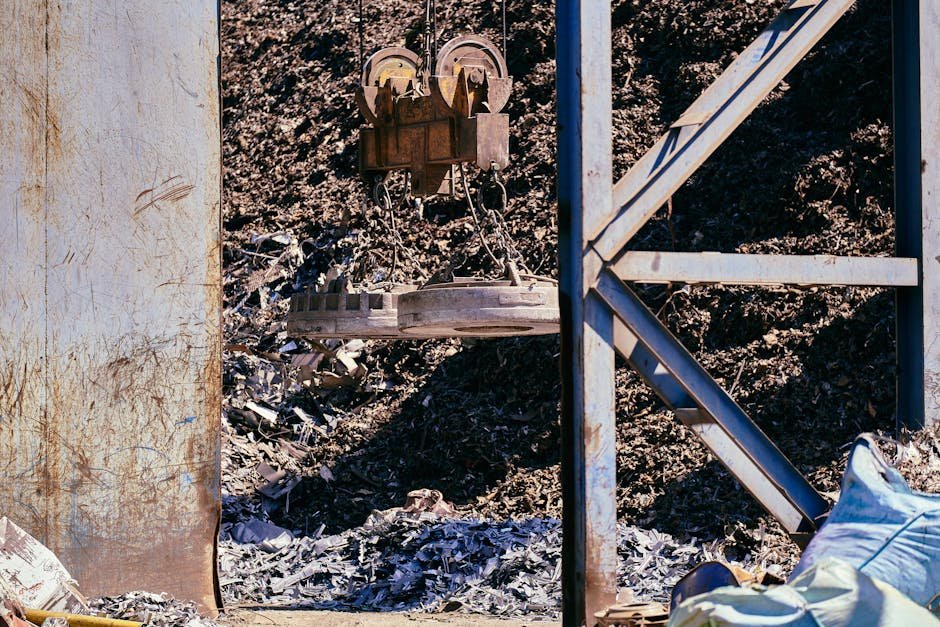

When it comes to steel recycling Minto, understanding the lifecycle of ferrous metals is essential for both industrial suppliers and individual contributors. Minto, located in the heart of Sydney’s industrial corridor, serves as a critical hub for the collection and processing of high-grade scrap. Whether you are managing construction waste or clearing out a workshop, navigating the complexities of the scrap market requires expert knowledge of material grades, current market fluctuations, and environmental regulations.
The Vital Role of Steel Recycling in Minto’s Industrial Sector
Minto’s strategic position in the Macarthur region makes it a focal point for heavy industry and logistics. As businesses look to improve their sustainability credentials, steel recycling Minto has transitioned from a simple disposal method to a sophisticated supply chain component. By diverting tons of material from landfills, local facilities ensure that the circular economy thrives. This process is not just about waste management; it is about resource conservation. When we recycle steel, we drastically reduce the need for virgin iron ore extraction, which is an energy-intensive and environmentally taxing process.
For those looking to engage with the broader industry, joining a Recycling Community provides invaluable insights into best practices and regulatory compliance. The demand for recycled materials remains high, as manufacturers of mild steel and structural components rely on a steady stream of secondary raw materials to maintain production schedules. When you choose to recycle locally, you are supporting a network that keeps Sydney’s industrial output efficient and sustainable.
Understanding Ferrous Metals and Scrap Steel Grades
To maximize your return when selling scrap, you must understand the difference between various metal types. The primary material handled in Minto is ferrous metal, which is characterized by its iron content and magnetic properties. Within this category, you will encounter several specific grades that impact the steel price per tonne. Common items include sheet metal, structural beams, piping, and industrial offcuts. Unlike non-ferrous metals such as copper or aluminum, steel is traded in high volumes, making logistics and transportation efficiency the primary drivers of profitability.
If you are searching for Scrap Metal Recycling Near Me, you will find that facilities in Minto are equipped to handle everything from small residential loads to massive industrial clearances. The grading process is rigorous: clean, heavy scrap (like structural plate) often commands a higher price than light, mixed scrap (like thin-gauge sheet metal). By separating your materials before arriving at the yard, you ensure that you receive the best possible valuation based on the current market. For those interested in the broader landscape of steel recycling, it is helpful to compare processes with other regional hubs like steel recycling artarmon, where urban logistics create different processing constraints.
How the Steel Price Per Tonne is Determined
The steel price per tonne is not a static figure; it is a global commodity price influenced by international supply and demand, shipping costs, and the cost of energy. In Australia, the market is also heavily impacted by the export demand from major manufacturing economies. When local scrap yards determine their buy prices, they must account for the costs of sorting, processing (shearing or shredding), and transporting the material to steel mills or export ports.
For businesses, it is crucial to maintain a consistent relationship with a reputable scrap metal trading platform to track these fluctuations. Understanding that the market is cyclical allows you to plan your scrap disposal during peak pricing periods. If you are searching for Metal Recycling Near Me, prioritize yards that offer transparency in their pricing models. A professional facility will always be able to explain how they grade your material and why the price has been set at a specific level for that day.
Best Practices for Preparing Scrap Steel
Efficiency in the recycling chain starts with the generator of the scrap. Preparing your material correctly is the single most effective way to improve your bottom line and ensure a smooth transaction at the yard. First, ensure that your scrap is free from contaminants. Non-metallic attachments like rubber, plastic, or wood significantly downgrade the value of your load, as they must be removed during the processing stage, which adds time and cost for the recycler.
Second, segregate your metals. Do not mix your ferrous metal with non-ferrous items. If you have a pile of heavy mild steel, keep it separate from light sheet metal. This segregation allows the yard to process your material faster and ensures you are paid the correct rate for each specific grade. For industrial clients, utilizing skip bins or dedicated roll-on/roll-off containers can help maintain this segregation at the source. For more information on how to optimize your site for scrap collection, visit Australia’s leading scrap metal trading portal for industry-specific guides.
The Environmental and Economic Impact of Steel Recycling Minto
The impact of steel recycling Minto extends far beyond the local industrial estate. By recycling one tonne of steel, we save approximately 1.5 tonnes of iron ore, 0.5 tonnes of coal, and 40% of the water used in the production process. These figures highlight why steel is the most recycled material on the planet. From an economic perspective, the recycling industry provides thousands of jobs, from collection drivers and yard operators to metallurgical engineers and logistics experts.
Furthermore, as Australia moves toward a net-zero future, the importance of secondary steel production cannot be overstated. Electric Arc Furnaces (EAFs), which are increasingly used in modern steel mills, rely almost exclusively on recycled scrap. By feeding these furnaces with high-quality, processed scrap from Minto, we are directly contributing to a lower-carbon manufacturing sector. This is a critical component of the national strategy to decarbonize heavy industry while maintaining the strength of our manufacturing base.
Logistics and Transportation: Getting Your Scrap to the Yard
Logistics is the silent partner of the recycling industry. Because steel is heavy and bulky, the cost of moving it often dictates the feasibility of a recycling project. In Minto, the proximity to major arterial roads like the M5 and M7 makes it an ideal location for large-scale scrap movement. If you are managing a demolition site or a large-scale manufacturing facility, partnering with a recycler that offers comprehensive logistics support is essential.
Look for providers who offer crane trucks, hook-lift bins, or flatbed transport. These tools allow for the safe and efficient removal of heavy structural steel. When planning your logistics, consider the ‘turnaround time’. A yard that can provide rapid bin swaps will keep your site clear and safe, preventing the buildup of hazardous scrap piles. Always ensure that your transportation partner is compliant with local transport regulations and has the necessary permits to carry industrial waste, as this protects you from liability.
Future Trends in the Steel Recycling Industry
The future of steel recycling Minto is being shaped by technology. We are seeing the introduction of advanced sensor-based sorting systems that can identify steel grades with near-perfect accuracy using X-ray fluorescence (XRF) and optical sorting. These technologies are reducing the human error associated with manual grading and allowing for the production of ‘cleaner’ scrap, which in turn commands a premium price in the global market.
Additionally, the industry is moving toward greater traceability. As companies face pressure to report on their Scope 3 emissions, they are increasingly looking for ‘green steel’ certifications. This means that the source of the scrap—and the path it takes from the scrap yard to the furnace—is becoming as important as the steel itself. By maintaining clean, well-documented scrap piles, suppliers in Minto can position themselves as preferred partners for manufacturers who are committed to sustainability and transparency in their supply chains.
Conclusion: Why Local Recycling Matters
Engaging in responsible steel recycling is a win-win scenario. It provides a financial return for your waste, supports local industry, and contributes to a healthier environment. Whether you are a small business owner or a large industrial firm, the key to success lies in understanding the market, preparing your materials correctly, and choosing the right partners. Minto’s robust infrastructure and commitment to the circular economy make it a prime location for these activities. By staying informed and connected to the industry, you ensure that your scrap steel serves as a valuable resource rather than a burden. Remember to stay updated with market trends and maintain your connections within the professional recycling network to get the most out of your scrap assets.
Frequently Asked Questions
What is the best way to prepare scrap steel for sale?
To get the best price, ensure your scrap is clean and free from non-metallic contaminants like plastic, rubber, or wood. Segregate your materials by grade, such as separating heavy structural steel from light sheet metal, before arriving at the yard.
How often does the steel price per tonne change?
The steel price per tonne fluctuates regularly, often daily or weekly, based on global commodity markets, shipping costs, and international demand. It is recommended to check with your local scrap yard for the most current pricing before scheduling a drop-off.
Why is ferrous metal recycling important for the environment?
Recycling ferrous metal significantly reduces the need for mining virgin iron ore, which is a high-energy and environmentally damaging process. It also saves vast amounts of water and coal while lowering overall carbon emissions in the steel manufacturing cycle.
Do I need a permit to drop off scrap steel in Minto?
Generally, residential users do not need a permit for small quantities, but commercial entities may require specific waste transport documentation. It is best to contact your chosen recycling facility beforehand to confirm their specific site requirements and safety protocols.