
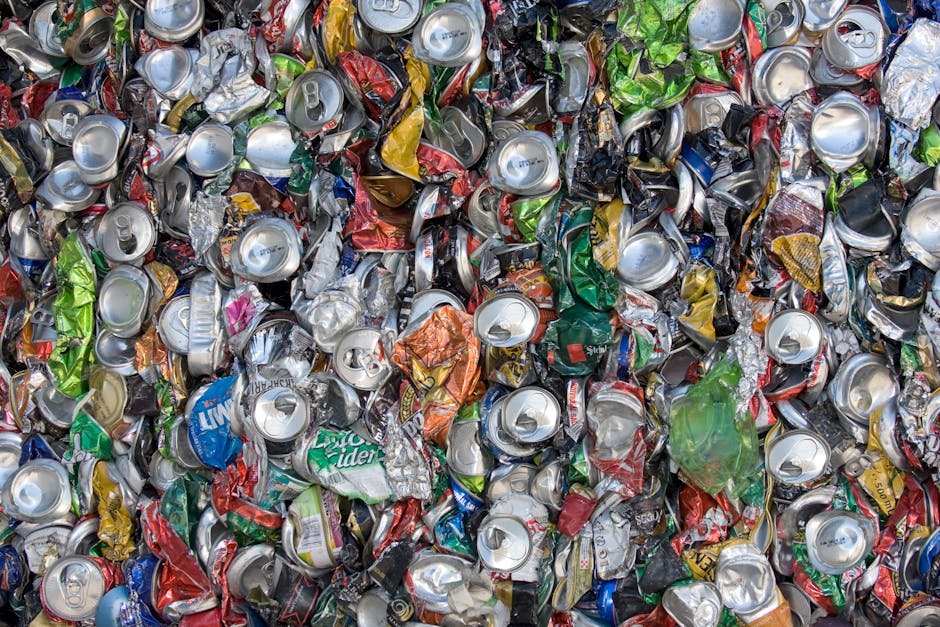

When searching for reliable artarmon aluminium recyclers, it is essential to understand the full lifecycle of your metal waste and how local facilities manage the recovery process. Whether you are a construction firm clearing a site or a local business managing aluminium extrusion offcuts, choosing the right partner impacts both your bottom line and the environment. This guide explores the standards required for professional metal recycling in the Artarmon industrial precinct.
The Aluminium Recycling Process Explained
The journey of aluminium from scrap to a new product is a marvel of industrial efficiency. Aluminium is unique because it can be recycled infinitely without losing its inherent properties. When you deliver your material to artarmon aluminium recyclers, the process begins with sorting. Not all aluminium is the same; high-grade aluminium extrusion is separated from contaminated materials or different alloys to ensure purity. The material is then shredded into small pieces to remove coatings, paints, or non-metallic attachments like plastic or steel fasteners.
Once shredded, the aluminium undergoes a de-coating process using hot air to remove inks and lacquers. The clean scrap is then melted in a furnace at temperatures exceeding 700 degrees Celsius. This molten metal is cast into ingots or billets, which are then shipped to manufacturers to be rolled into new sheets or extruded into new shapes. By recycling, we save roughly 95% of the energy required to produce primary aluminium from bauxite ore. For those looking to stay connected with the latest market shifts, joining an Aluminium Scrap Whatsapp Group can provide real-time insights into material demand and processing trends.
Drop-off vs. Pickup Service: Choosing the Right Option
Deciding between a drop-off at a recycling centre and a professional pickup service depends largely on the volume and nature of your scrap. For smaller quantities, such as a few bags of aluminium cans or household scrap, a direct drop-off is usually the most cost-effective method. It allows you to bypass scheduling constraints and get paid immediately based on the current aluminium price. Most facilities in Artarmon are equipped with industrial scales that provide accurate, transparent weight readings for walk-in customers.
Conversely, for large-scale operations, a pickup service is the industry standard. If you are generating significant volumes of industrial waste, you need a partner who understands How Recyclers Find Industrial Scrap Sellers. A professional pickup service often includes the provision of bins, skips, or flatbed trucks to streamline your site management. This not only keeps your workplace safe and compliant with local regulations but also ensures that your scrap is handled by professionals who understand the specific logistics of high-volume metal management. For businesses with recurring needs, our Bulk Aluminium Scrap Buying Guide provides the necessary framework for negotiating long-term contracts and maximizing your returns.
Environmental Impact of Local Aluminium Recycling
The environmental footprint of mining bauxite and refining it into aluminium is substantial, involving massive energy consumption and ecological disruption. By choosing to support local artarmon aluminium recyclers, you are actively participating in a closed-loop system that reduces the need for virgin material extraction. Every tonne of recycled aluminium prevents the emission of approximately 10 to 12 tonnes of CO2 compared to primary production. This is a critical component of Australia’s broader sustainability goals.
Beyond carbon savings, recycling aluminium preserves water resources and reduces the toxic waste associated with the Bayer process. When you recycle your aluminium cans or industrial offcuts, you are ensuring that the metal remains in the economy rather than ending up in a landfill. For those interested in the broader landscape of metal recovery, visiting the premier scrap trading hub offers a wealth of information on how to optimize your recycling efforts. Additionally, those who operate in mixed-metal environments should also look into artarmon steel recyclers to ensure that ferrous and non-ferrous waste streams are managed with equal efficiency.
Navigating the Aluminium Scrap Market
The aluminium price is notoriously volatile, influenced by global supply chains, energy costs, and industrial demand. To get the best value, sellers must understand the grading system. Clean, unalloyed aluminium extrusion fetches a higher price than mixed scrap containing contaminants like iron, rubber, or plastic. Before heading to an aluminium recyclers artarmon facility, it is best practice to perform a basic audit of your scrap. Segregating your metals by alloy type and removing non-metallic attachments significantly increases the grade—and therefore the value—of your load.
For those looking for professional assistance, a trusted Australian resource for scrap metal logistics can help you connect with vetted buyers who offer competitive rates. Understanding the nuances of the market—such as the difference between ‘clean’ and ‘dirty’ scrap—can turn a modest load into a high-value commodity. Always check if your recycler uses certified scales, as this is the only way to ensure you are being paid fairly for the exact weight of your material.
Best Practices for Industrial Scrap Management
Efficient scrap management is about more than just finding a buyer; it is about site safety and operational efficiency. Industrial facilities in Artarmon should implement a ‘source-separation’ strategy. By placing clearly marked bins for different types of aluminium scrap at the points of generation, you minimize the risk of cross-contamination. This is particularly important for aluminium extrusion, which is highly valuable when kept pure.
Furthermore, keeping your scrap yard organized prevents accidents and reduces the risk of environmental contamination from oils or coolants often found on industrial metal. Regularly scheduling pickups prevents the accumulation of scrap, which can become a fire hazard or an insurance liability. By working with a professional aluminium recyclers artarmon partner, you can establish a routine that keeps your site clean while ensuring your scrap is processed in compliance with environmental regulations. Remember that transparency in your scrap inventory is key; the more you know about what you are selling, the better you can negotiate your pricing.
The Future of Aluminium Circularity
As technology advances, the recycling industry is moving toward smarter, more automated processes. Advanced sorting technologies, such as X-ray fluorescence (XRF) and laser-induced breakdown spectroscopy (LIBS), are becoming standard in high-end recycling centres. These tools allow for the precise identification of aluminium alloys, enabling recyclers to sort scrap with near-perfect accuracy. This technological leap means that recycled aluminium is increasingly being used in high-performance applications, such as the automotive and aerospace industries, where purity is non-negotiable.
As a business owner or individual in Artarmon, you are part of this global shift. By prioritizing recycling, you contribute to a system where waste is viewed as a resource. The integration of digital platforms, such as those that track scrap movement and pricing in real-time, is further professionalizing the industry. We encourage all participants to stay educated on these trends, as the value of your scrap is intrinsically linked to your ability to provide high-quality, pre-sorted material to the market. Whether you are dealing with small quantities of aluminium cans or massive industrial stockpiles, the principles remain the same: sort, clean, and consolidate.
Conclusion
Recycling is the cornerstone of a sustainable industrial future. By engaging with reputable artarmon aluminium recyclers, you are not only securing a financial return on your waste but also playing a vital role in reducing the environmental impact of metal production. Whether you choose a convenient drop-off at a local recycling centre or a comprehensive pickup service for your industrial site, the key to success is preparation and partnership. Use the resources provided, stay informed on market prices, and ensure your scrap is properly segregated to maximize its value. Together, we can drive the circular economy forward, one tonne of aluminium at a time.
For further reading on metal management, ensure you are familiar with the local regulations regarding hazardous waste and scrap storage. Always prioritize safety and environmental compliance above all else. By following the guidelines in this hub, you are well-positioned to navigate the complex world of aluminium recycling with confidence and expertise.
Frequently Asked Questions
What items are considered aluminium scrap?
Aluminium scrap includes items like aluminium extrusion, window frames, engine parts, aluminium cans, and industrial offcuts. Generally, any object made primarily of aluminium is accepted, though removing non-metallic attachments increases its value.
How is the aluminium price determined?
The price is primarily driven by the London Metal Exchange (LME) global rates, adjusted for local demand, processing costs, and the quality/purity of the specific scrap grade. Clean, sorted aluminium will always fetch a higher price than mixed or contaminated scrap.
Do I need to clean my aluminium before recycling?
While you don’t need to wash it, removing contaminants like steel screws, rubber seals, plastic, or heavy grease is highly recommended. Cleaner material is easier to process and typically commands a higher payout at the recycling centre.
Is there a minimum amount for pickup services?
Most professional recyclers require a minimum weight or volume to justify the logistics of a pickup service. It is best to contact your local Artarmon recycler directly to discuss your specific volume and whether it meets their threshold for a scheduled collection.