
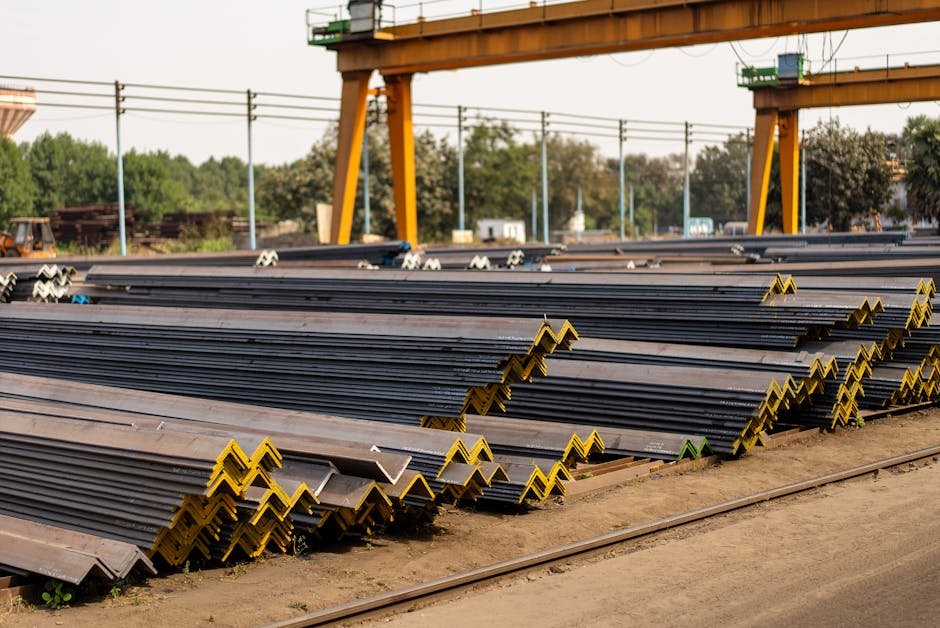

When searching for steel near me, you are likely looking for an efficient way to dispose of industrial waste, clear out a worksite, or source affordable materials for a new project. Australia’s recycling landscape is vast, and navigating the complexities of the ferrous metal market requires an understanding of how scrap is graded, processed, and valued. Whether you are a construction contractor, a demolition expert, or a homeowner clearing out a garage, knowing how to interact with a nearby recycler is the first step toward turning waste into profit.
The Fundamentals of Steel Recycling in Australia
The process of steel recycling is a cornerstone of the Australian circular economy. Because steel is infinitely recyclable without losing its structural integrity, it is one of the most valuable commodities in the scrap industry. When you search for steel near me, you aren’t just looking for a drop-off point; you are looking for a facility equipped to handle the logistics of heavy metal processing.
Steel is classified as a ferrous metal, meaning it contains iron and is magnetic. This distinction is vital because it separates it from non-ferrous metals like copper or aluminium, which command different market rates. In Australia, the recycling process involves collection, sorting, shredding, and melting. By choosing a reputable facility, you ensure that the steel is diverted from landfills and repurposed into new beams, sheets, or components. For those dealing with high-volume industrial waste, specialized Steel Scrap Baling Processing Services Australia are essential to minimize transport costs and maximize the value of the material.
Understanding Steel Scrap Grades and Value
Not all scrap steel is created equal. The value you receive depends heavily on the purity and preparation of the material. Before visiting a local scrap yard, it is imperative to understand how your scrap is categorized. The industry standard follows specific classifications, which you can explore in detail through our guide on Steel Scrap Baling Processing Services Australia. Wait, let me correct that—refer to our comprehensive resource on Steel Scrap Grading 1 Prepared 2 Prepared Shredded to ensure you are sorting your loads correctly.
Mild steel is the most common variety encountered in construction and automotive scrap. It is highly sought after due to its versatility. However, if you are dealing with high-alloy materials, you might be holding onto items that require a different approach. For instance, if you have high-grade industrial offcuts, it is worth checking the current Stainless Steel Scrap Price, as this often fluctuates independently of carbon steel prices. Properly grading your scrap before arrival saves time and ensures you are paid the correct steel price per tonne.
Logistics: Finding a Nearby Recycler in Your Area
The geography of recycling in Australia can be challenging. If you are searching for steel near me in a major metropolitan area like Sydney or Melbourne, you have the advantage of competition, which often leads to better service. However, in regional areas, logistics become the primary cost factor. When you choose a recycler in my area, you should look for facilities that offer weighbridge services and transparent pricing policies.
Using a professional platform like Scrap Trade can help you locate verified facilities that maintain high environmental and safety standards. Furthermore, if you are looking for specific types of steel, such as gilly steel, you need a partner who understands the nuances of specialized scrap trading. Always inquire about the facility’s capability to handle large-scale demolition scrap versus small-batch residential drop-offs. A well-equipped yard will provide clear documentation, which is essential for tax and environmental reporting purposes.
Sheet Metal and Industrial Scrap Management
Sheet metal is a frequent byproduct of manufacturing and HVAC installation. Because it is thin and often comes in large, awkward shapes, it can be difficult to transport. Many recyclers prefer sheet metal that has been bundled or sheared to fit into standard bins. If you are a business owner, managing this waste stream effectively can turn a cost center into a revenue stream.
By partnering with a reliable recycler, you can arrange for regular bin pickups, reducing the need for on-site storage. This is particularly important for mild steel offcuts, which can quickly clutter a workspace and pose safety hazards. Effective scrap management is not just about the money; it is about workplace safety and regulatory compliance. Always ensure that your chosen recycler provides a certificate of recycling, which confirms that your waste has been processed in accordance with Australian environmental laws. For more information on navigating the broader market, visit Scrap Trade Australia for industry updates and expert insights.
Maximizing Your Returns: Tips for Sellers
To get the best possible price for your scrap, preparation is key. Here are several expert tips to help you maximize your return:
- Sort by Grade: Never mix ferrous metals with non-ferrous metals. The contamination can lead to a lower price for the entire load.
- Clean the Material: Remove non-metallic attachments like rubber, plastic, or wood. A clean load is a high-value load.
- Monitor the Market: The steel price per tonne is influenced by global supply and demand. Keep an eye on market trends to sell when prices are peaking.
- Volume Matters: If you have a significant amount of scrap, negotiate with the recycler. Many yards offer better rates for consistent, high-volume supply.
- Safety First: Steel can be sharp and heavy. Always use appropriate PPE, including gloves and steel-toed boots, when handling scrap.
By following these steps, you transform from a casual seller into a strategic participant in the recycling market. Remember, the goal of steel recycling is to keep the material in the loop, and the more efficiently you can provide clean, sorted material to the recycler, the more they will value your partnership.
The Future of Steel Trading in Australia
The Australian steel industry is undergoing a transformation driven by sustainability goals and technological advancements. As we look toward a greener future, the demand for recycled steel—also known as secondary steel—is expected to rise. This shift is beneficial for both the environment and the economy, as recycling steel requires significantly less energy than producing virgin steel from iron ore.
As you continue to use services to find steel near me, you are contributing to this transition. The integration of digital platforms into the scrap metal industry is making it easier than ever to track prices, find buyers, and manage logistics. Whether you are dealing with small quantities of sheet metal or massive industrial demolition projects, the tools available today provide unprecedented transparency. Staying informed through reputable industry hubs ensures that you are always getting the best value for your scrap while supporting the growth of a circular economy in Australia.
Expert Insights: Common Mistakes to Avoid
Even experienced scrap sellers occasionally fall into traps that cost them money. One common mistake is failing to account for the weight of the transport vehicle. Always ensure your vehicle is weighed correctly at the start and end of the transaction. Another error is neglecting the importance of the local scrap yard‘s reputation. A yard that lacks proper licensing or environmental certifications may offer a slightly higher price but could expose you to liability if the waste is not handled correctly.
Furthermore, avoid the temptation to hoard scrap for too long in the hope of a price spike. While market timing is important, the cost of storing, insuring, and managing scrap on your property often outweighs the marginal gains of waiting for a better price. If you have a substantial amount of material, it is often better to move it, clear your site, and reinvest the capital into your core business operations. Finally, always ask for a detailed receipt that breaks down the weight and the specific classification of the steel you have sold.
Conclusion: Choosing the Right Partner
Finding the right facility for your needs is a vital step in the lifecycle of your steel waste. By focusing on quality, preparation, and professional partnerships, you can ensure that your scrap metal is handled in a way that is both profitable and environmentally responsible. Whether you are looking for a place to drop off a small load or seeking a long-term contract for industrial waste removal, the resources available at Scrap Trade are designed to help you succeed.
Remember that the search for steel near me is more than just a geographic query; it is an opportunity to connect with the broader Australian recycling industry. By staying informed, sorting your materials, and engaging with experts, you contribute to a more sustainable future while securing the best possible returns for your assets. Start by assessing your current scrap inventory, categorizing it by grade, and reaching out to a local professional today.
Related: gilly steel
Related: steel recycling
Frequently Asked Questions
How do I determine the current steel price per tonne?
Steel prices fluctuate based on global market demand and local supply. You should check with your local scrap yard or use online tracking platforms to get the most accurate, up-to-date pricing for your specific grade of steel.
What is the difference between prepared and unprepared steel?
Prepared steel has been cut to specific sizes and cleaned of non-metallic contaminants, making it ready for the furnace. Unprepared steel is bulky, contains attachments, or is oversized, requiring additional processing by the recycler, which usually results in a lower payout.
Can I recycle all types of steel together?
While most ferrous metals are recycled together, mixing different grades or including non-metallic contaminants can lower the value of your load. It is best to sort your scrap into categories like mild steel, stainless steel, and heavy industrial scrap.
Why is it important to choose a certified local scrap yard?
A certified yard ensures that your waste is processed according to Australian environmental and safety regulations. This protects you from potential legal liabilities and ensures that the recycling process is handled transparently and efficiently.