
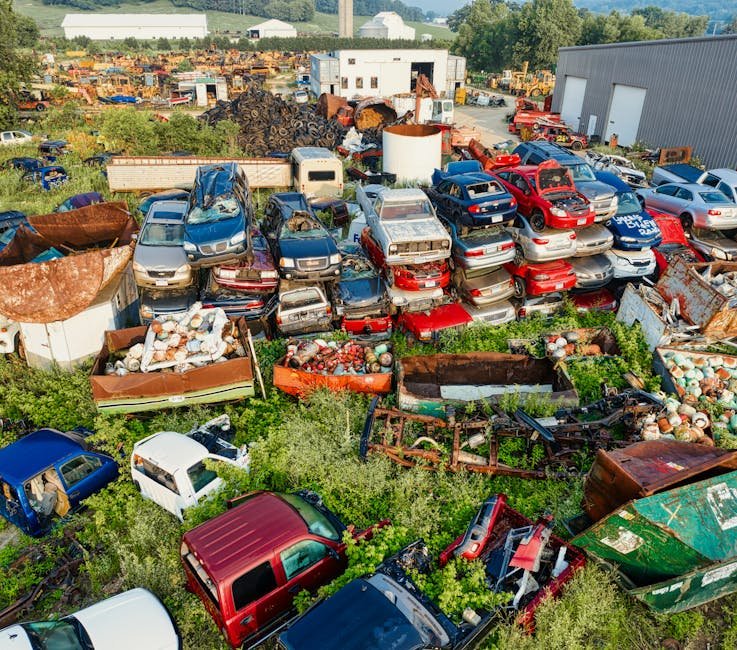

When searching for wrecking yards near me, you are likely looking for more than just a place to dump an old vehicle or source a spare part. You are looking for efficiency, fair pricing, and environmental responsibility. Australia’s automotive recycling industry has evolved significantly, moving from simple junkyards to sophisticated facilities that function as vital nodes in the circular economy. Whether you are a DIY mechanic looking for a specific transmission or a trade professional managing industrial waste, understanding how to navigate the landscape of local auto salvage is essential.
The Evolution of Modern Wrecking Yards
The term “wrecking yard” often conjures images of disorganized piles of rusted metal, but the reality in 2026 is vastly different. Modern Scrap Yards are now highly regulated, environmentally conscious operations. They act as a critical bridge between end-of-life vehicles and the raw material supply chain. When you search for wrecking yards near me, you will find that many of these facilities now offer advanced dismantling services, ensuring that hazardous fluids are captured and recycled, while valuable metals like aluminium, copper, and steel are separated for smelting.
The shift toward sustainability means that a nearby recycler is no longer just a place to offload junk; it is an expert facility that maximizes the recovery of rare earth metals found in modern vehicle electronics. By utilizing a professional Australian scrap metal trading platform, you can ensure that your scrap contributes to a greener future. The integration of digital inventory systems allows these yards to maintain searchable databases, meaning that if you are looking for a specific part, you can often check their stock online before making the trip.
How to Find the Best Salvage and Scrap Services
Finding the right facility requires a strategic approach. Not all yards operate with the same business model; some specialize in late-model European vehicles, while others focus on heavy-duty machinery or older domestic models. To make an informed decision, read our guide on Scrap Places Near Me How To Find The Best Scrap Yards And Buyers. This resource helps you differentiate between a simple walk-in salvage yard and a full-service metal recycler that offers professional towing and scrap collection.
When you visit a local scrap yard, look for clear signage regarding their environmental certifications. A professional yard will have dedicated zones for different types of scrap. They will also have a transparent pricing structure for the metals they buy and sell. If you are planning to drop off a large load, always call ahead to check their current daily rates, as metal commodity prices fluctuate based on global demand. For those planning ahead, our article on Local Scrap Yards In 2026 provides a roadmap for navigating the industry’s latest technological shifts.
Understanding Metal Recycling and Salvage Value
The value of your scrap is determined by the purity of the metal and the current market conditions. When you take a vehicle to a recycling depot, the staff will assess the weight of the ferrous metals (steel, iron) versus non-ferrous metals (copper, aluminium, brass). Because non-ferrous metals are significantly more valuable, it is often worth your time to strip these components out before arriving at the yard. This is a common practice among professional scrappers to increase their profit margins.
If you are searching for wrecking yards near me, prioritize those that offer accurate weighing scales and transparent reporting. You should always receive a receipt that details the weight and type of material sold. This not only ensures you are paid correctly but also serves as a record of your contribution to the circular economy. The industry is increasingly focused on traceability, and reputable yards will be happy to explain their downstream processing methods. For more insights on general industry standards, visit our main page on scrap yards to see how we categorize different service providers.
Maximizing Your Visit: Tips for the DIY Mechanic
If you are visiting a wrecking yard to source parts, preparation is key. Wear appropriate safety gear, including sturdy boots and gloves. Many yards have strict safety policies, and you may be denied entry if you are not dressed appropriately. Before heading out, use online tools to check if the yard has the specific make and model you need in their inventory. It is also helpful to bring your own set of tools, as most self-service yards require you to remove the parts yourself.
When you arrive, identify yourself as a customer and ask for a map or a guide to the yard’s layout. Most yards organize vehicles by manufacturer or age. If you are unsure about the condition of a part, ask the yard staff for their professional opinion. They often have years of experience and can tell you if a specific part is likely to be functional. Remember that the best scrap yards near me are those that prioritize customer service and maintain an organized, safe environment. Building a relationship with a local yard manager can lead to better deals and early notifications when new stock arrives.
The Environmental Impact of Responsible Recycling
Every vehicle that is properly recycled at a professional metal recycler prevents hundreds of kilograms of waste from entering landfills. The process of vehicle recycling involves the safe extraction of lead-acid batteries, mercury switches, and various automotive fluids. These items are hazardous and require specialized handling. By choosing a reputable yard, you are supporting a business that adheres to state and federal environmental regulations in Australia.
Furthermore, the recycling of steel saves a significant amount of energy compared to the production of virgin steel from iron ore. When you recycle your scrap, you are actively reducing the carbon footprint of the manufacturing sector. This is why the industry is moving toward more sophisticated sorting technologies, such as X-ray fluorescence (XRF) analyzers, which allow recyclers to identify metal alloys with extreme precision. As a consumer, your choice of where to take your scrap matters. By choosing facilities that invest in this technology, you are helping to drive the industry toward a more sustainable future.
Navigating Market Fluctuations and Pricing
The scrap metal market is notoriously volatile. Prices are influenced by international trade policies, mining output, and the global demand for recycled materials. To get the best value for your scrap, it pays to stay informed. Many nearby recycler facilities update their pricing boards weekly or even daily. If you have a large quantity of a specific metal, such as copper wiring or aluminium rims, it is worth calling multiple yards to compare quotes.
Keep in mind that transport costs also play a role. If you have a large load, the cost of fuel might outweigh the extra few cents per kilogram you might get at a yard further away. Calculate your net profit by factoring in the time and expense of travel. In my area, many professional scrap traders use a combination of local drop-offs for smaller loads and scheduled pickups for large-scale industrial scrap. This hybrid approach ensures that you are always getting the most efficient service while maintaining the best possible price for your materials.
Common Pitfalls to Avoid When Scrapping
One of the most common mistakes people make is failing to prepare their scrap correctly. For example, leaving non-metallic contaminants in your scrap load, such as plastic or rubber, can significantly reduce the price you are offered. Most yards will charge a fee for the removal of these contaminants or offer a lower grade price. Always aim to separate your metals by type: keep your copper separate from your steel, and your aluminium separate from your lead.
Another pitfall is ignoring safety protocols. Never attempt to cut into fuel tanks or pressurized components without professional guidance. The risk of fire or injury is significant. If you are unsure about a component, ask the staff at the local scrap yard. They would much rather you ask a question than create a safety hazard on their premises. Finally, ensure you have the correct documentation for any vehicle you are selling for scrap. Most yards require proof of ownership, such as a registration document or a bill of sale, to ensure the vehicle has not been reported stolen.
The Future of the Scrap Industry
As we look toward the future, the integration of AI and machine learning in the recycling process is set to revolutionize how we handle end-of-life products. Automated sorting systems are becoming more common, allowing for higher purity levels in recycled output. This means that the scrap you drop off today is more likely to be turned into high-quality raw material for tomorrow’s manufacturing needs. This circularity is the cornerstone of the modern Australian economy.
By staying engaged with local industry platforms, you can stay ahead of these trends. Whether you are a hobbyist or a professional, understanding the value of the materials you handle is a powerful skill. We encourage you to continue exploring our resources and to make use of the networking opportunities provided by our platform. The more you know about the industry, the better you can leverage the services of wrecking yards near me to achieve your goals, whether that is fixing your car, clearing out your garage, or running a profitable recycling business.
Conclusion
Finding the right wrecking yard is about more than just proximity; it is about finding a partner in your recycling or repair journey. By using the resources provided in this guide and leveraging the tools available at Scrap Trade, you can ensure that you are getting the best service, the best prices, and the most environmentally responsible outcome for your scrap metal. Remember that the industry is constantly evolving, and staying informed is the best way to maximize your results. Start by exploring your local options today and take the first step toward a more efficient and sustainable approach to vehicle and metal recycling.
Frequently Asked Questions
How can I find the best wrecking yards near me?
You can find the best wrecking yards by using online directories that offer verified reviews, current pricing, and inventory lists. Platforms like Scrap Trade allow you to compare local facilities to ensure you are getting the best value and service.
Do I need to prepare my scrap metal before visiting a yard?
Yes, preparing your scrap by separating different metals like copper, aluminium, and steel will significantly increase your payout. Removing non-metallic contaminants like plastic or rubber also helps you get a better price and speeds up the weighing process.
What documentation is required to scrap a vehicle?
Most reputable wrecking yards require proof of ownership, such as your vehicle registration papers or a valid bill of sale. This is a legal requirement to ensure the vehicle is not stolen and to maintain proper records for the recycling process.
Why do scrap metal prices change so frequently?
Scrap metal prices are based on global commodity markets, which are influenced by supply, demand, and international economic conditions. Because these factors change daily, it is recommended to call your local yard for current rates before bringing in your scrap.