
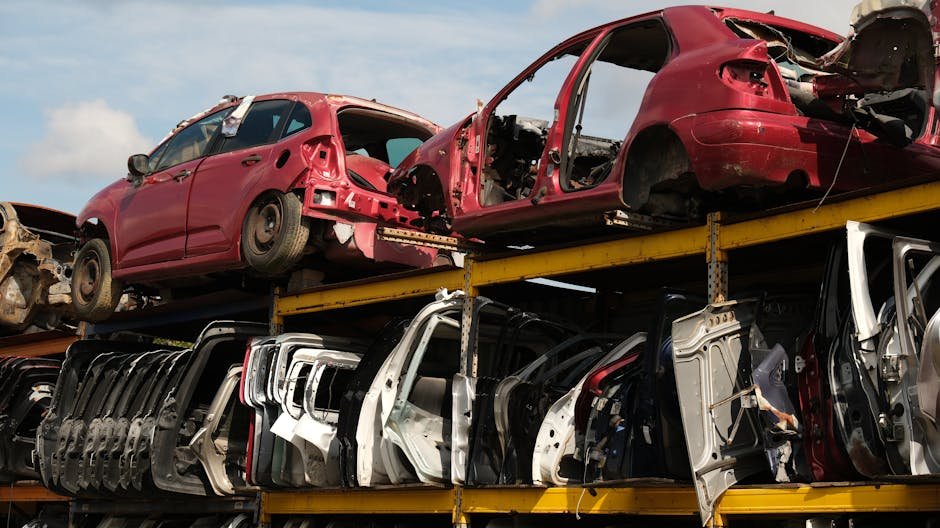

Understanding the intricacies of advance auto salvage is essential for anyone looking to navigate the Australian automotive recycling market. Whether you are an individual with a single end-of-life vehicle or a business managing fleet disposals, the salvage industry represents a critical intersection of environmental sustainability and resource recovery. By extracting high-value components and raw materials, salvage operators reduce the demand for virgin metal extraction and minimize the carbon footprint of the automotive sector. This guide serves as your authoritative resource for navigating the salvage landscape, ensuring you extract maximum value while adhering to industry best practices.
The Evolution of Modern Auto Salvage
The automotive recycling industry has undergone a massive transformation over the past two decades. What was once a disorganized “junkyard” model has evolved into a high-tech, data-driven sector known as advance auto salvage. Today, professional salvage facilities utilize sophisticated inventory management systems, precision dismantling tools, and rigorous environmental compliance protocols. This evolution ensures that every gram of steel, aluminium, and copper is accounted for and recycled efficiently.
For those interested in the broader industry standards, our Dd Auto Salvage Complete Guide To Auto Salvage Recycling And Selling Vehicle Scrap provides a foundational look at how these processes function on a commercial scale. Modern facilities are now required to manage fluid extraction—such as oils, coolants, and brake fluids—to prevent soil contamination, a standard that defines the “advance” in current salvage operations.
Maximizing Returns on Salvage Components
Not all parts of a vehicle hold the same value. To truly master the salvage process, one must understand the hierarchy of automotive scrap. High-value components often include catalytic converters (for precious metals like platinum and rhodium), alternators, and starter motors. However, the drivetrain remains the most significant asset for many operators.
If you are looking to divest of heavy mechanical components, refer to our Sell Transmission Scrap Auto Truck Gearboxes 2026 Guide for specific pricing trends and preparation tips. Furthermore, if you are operating in specific regions, comparing your strategy against established players like al’s auto parts can provide insight into competitive pricing and market demand for specific vehicle makes and models. Remember that the condition of the metal, the presence of contaminants, and the current global commodity prices for ferrous and non-ferrous metals will dictate your final payout.
Environmental Compliance and Sustainability
The environmental impact of vehicle disposal is a primary concern for the Australian government and industry regulators. Advance auto salvage practices prioritize the circular economy, where vehicles are not merely “junked” but are harvested for parts that can extend the life of other vehicles on the road. This reduces the energy-intensive process of manufacturing new replacement parts.
Beyond parts, the recycling of vehicle bodies contributes significantly to the scrap steel supply chain. When a vehicle is crushed, the steel is shredded and sent to mills to be melted down into new products. This process is far more energy-efficient than mining iron ore. For those looking to optimize their scrap management, our Ivy Bluff Auto Salvage Maximizing Value From Scrap Vehicles article offers advanced strategies for sorting and grading scrap to ensure you are receiving the highest market rate for your materials.
Logistics and Transportation of Salvage
Getting your scrap vehicle from your location to a processing facility is often the most overlooked aspect of the salvage process. Logistics costs can quickly erode the profit margin of a scrap vehicle. Whether you are dealing with a single shell or a bulk load of car bodies, efficient transport is key. Many professional salvage yards offer collection services, but understanding the weight and dimensions of your cargo is vital for securing a fair transport fee.
For operators looking for local connections, you can explore the network at advanced auto salvage to find reputable collection partners. It is also recommended to use professional platforms like the Australian Scrap Trade Directory to verify the credentials of any salvage yard you intend to partner with. Always ensure that the facility is licensed to handle hazardous waste, as this protects you from potential liability regarding the improper disposal of vehicle fluids.
The Role of Technology in Salvage Operations
Technology has revolutionized how salvage yards operate. From barcode scanning for parts inventory to automated depollution rigs, the industry is moving toward full digitalization. This shift allows for real-time tracking of scrap metal prices, which are notoriously volatile. By leveraging digital tools, salvage operators can time their sales to coincide with market peaks, ensuring that the value of the scrap is captured at its highest potential.
If you are interested in the broader digital landscape of the metal recycling industry, visit Scrap Trade to stay updated on the latest software, commodity price alerts, and industry news. This level of market intelligence is what separates casual scrap sellers from those who treat salvage as a professional revenue stream.
Common Pitfalls in Vehicle Salvage
Many individuals make the mistake of failing to prepare their vehicle for salvage. Leaving non-metallic items in the car—such as seats, plastic dashboards, or glass—can result in lower scrap prices because these materials are considered “contaminants” by the shredder. A clean load of metal is always worth more than a load mixed with trash.
Another common pitfall is ignoring the legal requirements for vehicle disposal. In Australia, you must provide proof of ownership and ensure the vehicle’s registration is cancelled correctly. Failure to do so can lead to legal complications if the vehicle is later involved in an incident or if the VIN is not properly decommissioned in the national transport database.
Future Trends: Electric Vehicle (EV) Salvage
As the Australian automotive market shifts toward electric vehicles, the salvage industry is preparing for a new challenge: lithium-ion battery recycling. These batteries contain rare earth metals that are highly valuable but hazardous if handled incorrectly. The next generation of salvage facilities will need to be equipped to safely discharge, remove, and recycle these power units. This transition represents the next frontier in advance auto salvage, requiring specialized training and infrastructure that will define the industry for the next decade.
This ongoing shift also means that traditional scrap metal processors must adapt their equipment to handle the unique chemical components of EVs. The integration of EV battery recycling into standard salvage workflows will be a critical area of growth for the industry, providing new revenue streams while addressing the environmental challenges posed by battery waste.
Conclusion
Navigating the world of automotive recycling requires a blend of mechanical knowledge, market awareness, and a commitment to environmental compliance. By utilizing the resources provided in this guide, you can ensure that your salvage efforts are both profitable and responsible. Whether you are selling a single scrap car or managing a large-scale recycling operation, focusing on quality, preparation, and professional partnerships will yield the best results. Always stay informed on local regulations and global commodity trends to maintain an edge in this competitive and vital industry.
Frequently Asked Questions
What is the primary benefit of professional auto salvage?
Professional auto salvage ensures that vehicles are depolluted safely, preventing hazardous fluids from entering the environment, while maximizing the recovery of reusable parts and recyclable metals.
How can I get the best price for my scrap vehicle?
To get the best price, remove non-metallic contaminants like trash and plastic, sort your scrap metals, and contact multiple licensed salvage yards to compare current market rates for ferrous and non-ferrous materials.
Is it legal to scrap a car myself?
While you can dismantle a vehicle, you must comply with local environmental laws regarding fluid disposal and ensure the vehicle’s registration is officially cancelled with your state’s transport authority.
Why are electric vehicles harder to salvage?
Electric vehicles contain high-voltage lithium-ion batteries that require specialized training and equipment to handle safely, making them more complex to process than traditional internal combustion engine vehicles.