
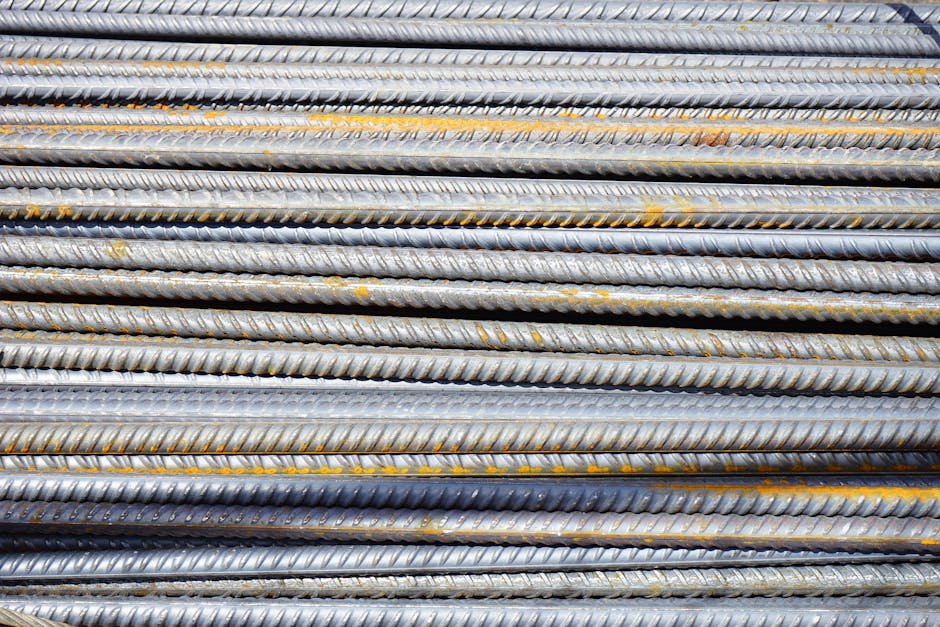

Understanding the legacy and impact of one steel in the Australian market is essential for any serious scrap metal trader or industrial supplier. As a dominant force in the domestic manufacturing landscape, the materials produced under the one steel banner—and its successor, Infrabuild—form the backbone of the ferrous metal supply chain. Whether you are dealing with structural beams, reinforcement bar, or general mild steel offcuts, the ability to identify, grade, and process these materials correctly determines your profitability in the secondary raw materials market.
The Evolution of Australian Steel Manufacturing
The history of one steel is inextricably linked to the industrial development of Australia. For decades, it has served as the primary supplier of hot-rolled structural steel, rail, and wire products. When these products reach the end of their lifecycle, they enter the recycling stream as high-quality scrap. For traders, this is the gold standard of ferrous recycling. Unlike mixed light iron, which often contains high levels of contaminants, the steel sourced from these legacy manufacturing processes provides a predictable yield for electric arc furnaces (EAFs).
In the modern circular economy, the efficiency of recycling is paramount. When you search for steel near me, you are often looking for facilities that can handle heavy industrial scrap. The processing of this material requires specialized equipment, such as heavy-duty shears and fragmentation plants, to ensure the material meets the strict specifications required by mills. Understanding the difference between raw scrap and processed feedstock is the first step toward maximizing your returns.
Understanding Ferrous Metal Grading and Quality
The value of your scrap is dictated by its grade. In the Australian market, the classification system is rigorous. To get the best steel price per tonne, you must understand the difference between prepared and unprepared scrap. We provide detailed guidance on Steel Scrap Grading 1 Prepared 2 Prepared Shredded, which is the industry bible for ensuring your loads are accepted at the mill without heavy downgrading or rejection fees.
Ferrous metals, particularly mild steel, are magnetic and generally rust-prone, which is why proper storage is critical. When dealing with sheet metal, the surface area-to-volume ratio is high, which can lead to rapid oxidation if left exposed to the elements. High-quality scrap yards prioritize covered storage for these materials to prevent degradation. Furthermore, if you are dealing with specialized alloys or non-ferrous contaminants, you must be aware of the Stainless Steel Scrap Price, as even a small amount of non-magnetic contamination can ruin a premium grade shipment.
Industrial Processing: Baling and Shearing
Volume reduction is the key to logistics efficiency. Large-scale scrap operations rely on Steel Scrap Baling Processing Services Australia to transform loose, bulky items into dense, transportable cubes. This process is not just about space; it is about metallurgical consistency. By baling sheet metal and light gauge scrap, recyclers create a uniform feedstock that melts evenly in a furnace, reducing energy consumption and carbon emissions during the refining process.
For heavier structural sections, shearing is the preferred method. A hydraulic shear can cut through thick steel plates and beams with ease, preparing them for the furnace. Traders who provide pre-processed material to the mills command a higher price than those who sell raw, un-sorted scrap. This is where expertise in the trade pays off—knowing exactly how to prepare a load to meet the specific requirements of the end-user is a skill that distinguishes professional traders from casual collectors.
Market Dynamics and Steel Price per Tonne
The steel price per tonne is a volatile metric influenced by global iron ore prices, energy costs, and construction demand in the Asia-Pacific region. Because Australia is a major exporter of raw materials, domestic scrap prices are often pegged to international benchmarks. When the construction sector is booming, the demand for recycled rebar and structural steel skyrockets, driving up prices for collectors.
To stay ahead, savvy traders monitor the scrap metal trading platform for real-time market updates. Understanding the supply chain is vital. For instance, when gilly steel or similar industrial scrap enters the market, it often signals a shift in the availability of high-grade heavy melt. By tracking these trends on our dedicated Australian scrap portal, you can time your sales to coincide with market peaks, ensuring you capture the best possible value for your inventory.
Best Practices for Scrap Yard Management
Efficiency in a scrap yard is about flow and safety. Segregation is the most important rule. Keep your ferrous metal separate from non-ferrous materials like copper, aluminum, and brass. Cross-contamination is the fastest way to lose money in the scrap business. Invest in high-quality sorting equipment, such as handheld XRF analyzers, which can identify the exact chemical composition of a piece of metal in seconds.
Furthermore, safety cannot be overstated. Heavy machinery, sharp edges, and the risk of hazardous materials (like sealed containers or pressure vessels) mean that your yard must have strict operational protocols. Ensure all staff are trained in identifying potentially dangerous items. A clean, organized yard not only increases operational efficiency but also builds trust with industrial suppliers who want to know their scrap is being handled responsibly and ethically.
The Role of Sustainability in Steel Recycling
Recycling steel is one of the most effective ways to reduce the carbon footprint of the construction industry. Every tonne of recycled steel saves over a tonne of iron ore, 600kg of coal, and 150kg of limestone. As Australia moves toward a net-zero future, the importance of a robust recycling infrastructure cannot be overstated. By participating in the scrap market, you are not just making a profit; you are contributing to a circular economy that preserves natural resources.
The shift toward green steel—produced using hydrogen or renewable energy—will further increase the demand for high-quality recycled scrap. Recycled steel is the perfect feedstock for green steel production because it has already been refined. As such, the value of clean, well-sorted ferrous scrap is only expected to rise in the coming decade. Traders who position themselves as reliable suppliers of high-grade material will be the primary beneficiaries of this green transition.
Advanced Logistics and Supply Chain Optimization
Logistics often account for the largest cost in the scrap metal business. If you are moving large volumes of sheet metal or structural steel, you need to optimize your transport routes and loading methods. Using flatbed trucks for oversized beams or specialized bins for loose scrap can significantly reduce your per-tonne transport costs. It is also worth considering the proximity of your yard to rail networks or ports, as rail transport is significantly more cost-effective for long-distance haulage of heavy ferrous scrap.
Furthermore, digital transformation is changing the industry. Using inventory management software to track your scrap grades and weight records allows you to provide transparent reporting to your clients. This level of professionalism attracts larger industrial contracts, moving you away from the “small-time” trade and into the realm of high-volume industrial recycling. By leveraging data, you can forecast your inventory needs and negotiate better contracts with steel mills.
Future Outlook for the Australian Steel Industry
The future of the steel industry in Australia is bright, characterized by a transition toward high-tech manufacturing and sustainable processing. The legacy of companies like one steel continues to influence the quality of the scrap available in the market today. As global regulations tighten around carbon emissions, the demand for high-quality, low-impurity scrap will continue to outpace the supply of virgin iron ore. Traders who can consistently deliver high-grade material will find themselves in a very strong position.
We encourage all participants in the market to stay informed, prioritize safety, and focus on the quality of their sorting. Whether you are a small collector or a large processing facility, the principles of the trade remain the same: quality, consistency, and reliability. By adhering to the standards outlined in this guide and utilizing the resources available on our platform, you can build a successful and sustainable business in the Australian scrap metal industry.
Frequently Asked Questions
What is the primary difference between ferrous and non-ferrous metals?
Ferrous metals contain iron and are magnetic, such as mild steel and structural steel. Non-ferrous metals, like copper, aluminum, and brass, do not contain iron and are generally more valuable per kilogram.
Why is it important to prepare steel scrap before selling it?
Preparing scrap by cutting it to size and removing contaminants ensures it meets mill specifications. This prevents heavy grading penalties and allows you to command the highest possible market price.
How does the price of steel fluctuate in Australia?
Steel prices are driven by global supply and demand for iron ore, domestic construction activity, and energy costs. Traders often monitor international indices to predict local price movements.
What are the environmental benefits of recycling steel?
Recycling steel significantly reduces the need for raw material extraction, saving massive amounts of energy and reducing greenhouse gas emissions compared to producing steel from virgin iron ore.