
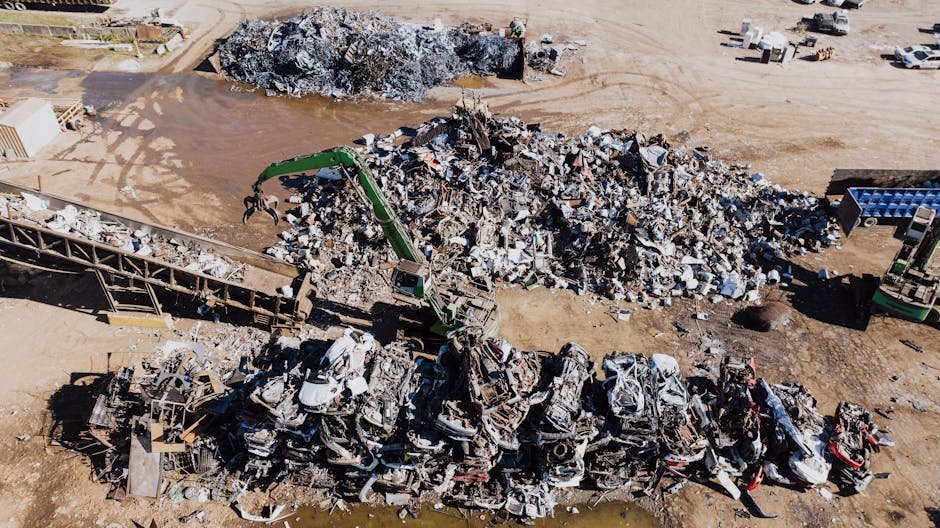

When searching for scrap yards open today near me, it is essential to understand that not all facilities are created equal. Whether you are a trade professional clearing a worksite or a homeowner cleaning out the shed, finding a reputable metal recycler requires knowing exactly what you have and where to take it. In Australia, the industry is highly regulated, and choosing the right nearby recycler ensures you get fair market value while adhering to environmental standards.
Understanding Metal Grades: Ferrous vs. Non-Ferrous
To maximize your return at any local scrap yard, you must first categorize your materials. The industry standard splits metals into two primary categories: ferrous and non-ferrous. Ferrous metals, such as iron and steel, contain iron and are magnetic. While they are abundant, they generally command lower prices per kilogram compared to non-ferrous metals. Common examples include structural steel, cast iron, and light gauge sheet metal.
Non-ferrous metals—including copper, aluminium, brass, lead, and stainless steel—are the high-value commodities of the recycling world. Copper, in particular, is highly sought after due to its conductivity and infinite recyclability. When you visit a recycling depot, you will find that these metals are graded based on purity. For instance, ‘bright and shiny’ copper wire fetches a higher price than copper piping with solder or insulation still attached. Understanding these nuances is the first step in mastering the buy and sell process of the scrap industry.
If you are looking for specific regional data, you might want to investigate scrap metal yards perth to see how local market conditions influence pricing for different grades. Always ensure your scrap is sorted before arrival; mixing grades can lead to a lower ‘mixed scrap’ price, which is significantly less profitable than selling sorted, clean material.
How the Recycling Process Works
The journey from your scrap pile to a new product is a sophisticated industrial process. Once you drop your materials off at a nearby recycler, the facility performs several critical steps. First, the metal is weighed on certified scales to determine the payout. Following this, the material undergoes sorting—often using advanced technology like X-ray fluorescence (XRF) analyzers to determine the exact chemical composition of the alloy.
After sorting, the metal is processed. This may involve shredding, shearing, or baling. Shredding breaks the metal into smaller, manageable pieces, making it easier to separate contaminants like plastic or rubber. Baling involves compressing the metal into high-density cubes for efficient transportation to smelters. If you are interested in the evolution of the industry, our guide on Local Scrap Yards In 2026 provides a forward-looking perspective on how automation is changing these workflows.
The final stage is smelting. The recycled metal is melted down in furnaces, purified, and cast into ingots or billets. These are then sold back to manufacturers to create everything from new car parts to household appliances. By participating in this loop, you are directly contributing to a circular economy that reduces the need for virgin ore extraction.
The Environmental Benefits of Metal Recycling
The environmental impact of recycling scrap metal cannot be overstated. Mining virgin ore is an energy-intensive process that causes significant habitat destruction and carbon emissions. By choosing to recycle, you are conserving natural resources and saving massive amounts of energy. For example, recycling aluminium uses roughly 95% less energy than producing it from bauxite ore.
Furthermore, metal recycling reduces the volume of waste sent to landfills. Many items, such as old appliances or construction debris, contain heavy metals that can leach into groundwater if not disposed of correctly. A professional metal recycler ensures these materials are handled safely, preventing toxic runoff and promoting cleaner communities. When you search for scrap yards open today near me, you aren’t just looking for a payout; you are engaging in an act of environmental stewardship.
To learn more about the logistics of the trade, visit our official scrap trading platform for comprehensive resources on sustainable metal management. We also maintain a detailed Australian scrap industry portal that connects businesses with verified buyers across the country.
Finding the Best Facilities in Your Area
Not all facilities offer the same level of service. When looking for a local scrap yard, consider factors like proximity, equipment, and transparency. A walk-in facility should be clean, organized, and willing to explain their grading process. Transparency in pricing is a hallmark of a reputable dealer. If you are unsure where to start, our article on Scrap Places Near Me How To Find The Best Scrap Yards And Buyers offers a step-by-step checklist to help you identify trustworthy partners.
For those managing large volumes of scrap, look for dealers that offer bin services or pick-up options. This can save you significant time and transport costs. Always check if the facility is licensed, as this ensures they comply with environmental regulations and safety standards. You can also browse our extensive directory of Scrap Yards to filter by your specific location and metal type.
If you are a casual recycler, look for yards that cater to the public, not just industrial accounts. Many facilities have specific hours for residential drop-offs, so it is always worth a quick phone call before loading up your vehicle. Remember that finding the ‘closest’ dealer isn’t always the best strategy if they don’t offer competitive rates for your specific grade of metal.
Safety and Preparation Tips
Safety is paramount when handling scrap metal. Sharp edges, heavy items, and hazardous materials are common risks. Always wear heavy-duty gloves, steel-toed boots, and high-visibility clothing when visiting a recycling depot. If you are transporting large loads, ensure they are properly secured in your vehicle to prevent accidents during transit.
Preparation is equally important for your bottom line. Take the time to remove non-metallic attachments from your scrap. For example, removing the plastic casing from copper wiring or the wood from a metal frame can significantly increase the value of your load. Most nearby recycler locations will pay a premium for ‘clean’ scrap because it requires less labor for them to process.
Lastly, keep an eye on market trends. Metal prices fluctuate based on global supply and demand. Staying informed about these movements will help you decide when to sell your stockpiled materials for the best return. If you need to stay updated on the latest industry news, check out our comprehensive list of scrap yards to see how market shifts affect your local area.
Future Trends in the Australian Scrap Industry
The scrap metal industry in Australia is undergoing a digital transformation. We are seeing a shift toward real-time pricing transparency, improved tracking of materials, and more efficient logistics. As we move closer to a fully circular economy, the role of the local scrap yard is evolving from a simple drop-off point to a sophisticated processing hub.
Technology, such as blockchain for supply chain traceability, is beginning to play a role in ensuring that recycled materials are ethically sourced and handled. This is particularly important for large-scale construction and demolition projects that need to prove their sustainability credentials. By staying engaged with these trends, you can ensure that your recycling efforts are as effective and profitable as possible.
Whether you are a professional tradesperson or a DIY enthusiast, the key to success lies in education. By understanding the grades, the environmental impact, and the logistics of the industry, you can turn your waste into a valuable resource. Always remember to perform your due diligence when searching for scrap yards open today near me to ensure you are working with a partner who values your business and the environment.
Conclusion
Recycling scrap metal is a vital component of Australia’s industrial landscape. It supports the economy, protects the environment, and provides a practical way for individuals and businesses to manage waste responsibly. By mastering the art of sorting your metals, understanding the grading system, and choosing the right nearby recycler, you can ensure that your efforts yield the best possible results.
We encourage you to explore the links provided throughout this guide to further your knowledge and connect with the best industry partners. Whether you are looking for the latest price updates or a reliable recycling depot in my area, our resources are designed to help you navigate the scrap metal market with confidence. Start your journey today by organizing your scrap, checking the current market rates, and visiting a professional facility to make your contribution to a more sustainable future.
Frequently Asked Questions
How do I know what grade my scrap metal is?
You can identify most metals using a magnet; if it sticks, it is likely ferrous (iron/steel), and if it doesn’t, it is likely non-ferrous (copper, aluminium, etc.). For precise grading, most scrap yards use X-ray fluorescence (XRF) analyzers to determine the exact alloy composition.
Does it matter if my scrap metal is dirty or mixed?
Yes, it matters significantly. Mixed or ‘dirty’ scrap (containing plastic, wood, or other metals) is usually purchased at a lower rate because the yard must spend time and money processing it to remove contaminants.
What should I bring with me when visiting a scrap yard?
You should bring a valid form of identification, as many Australian states require scrap yards to record seller details for security purposes. Additionally, ensure your load is securely strapped and you are wearing appropriate personal protective equipment like gloves and boots.
Are prices for scrap metal the same everywhere?
No, prices fluctuate daily based on global market conditions and can vary between different yards depending on their processing capabilities and local demand. It is always best to call ahead or check the yard’s website for current pricing.