
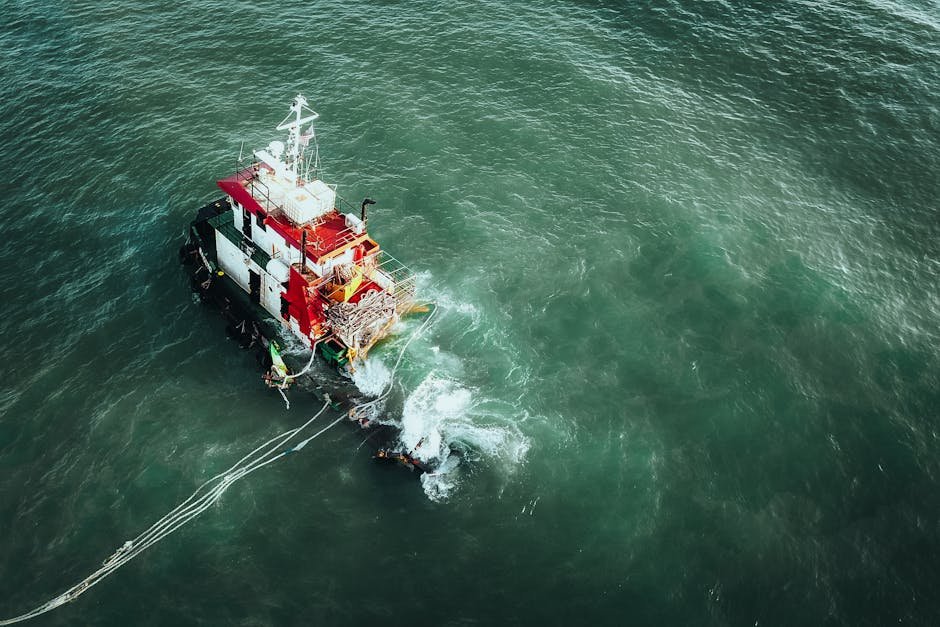

The term “marine salvage australia” encompasses the recovery of vessels, cargo, and materials from maritime disasters. This process is vital for environmental protection, economic recovery, and historical preservation. In Australia, marine salvage operations are highly regulated and often involve collaboration between salvagers, government agencies, and recycling platforms like Scrap Trade Australia to process valuable metals from salvaged wreckage.
The History of Marine Salvage in Australia
Marine salvage has played a critical role in Australia’s maritime history. From the 19th-century whaling ships to modern container vessels, shipwrecks have provided both challenges and opportunities. Notable examples include the 1979 grounding of the MV Exeter in Tasmania and the 1998 wreck of the Transoceanic near the Great Barrier Reef. These incidents highlight the importance of marine salvage in mitigating environmental damage and recovering valuable materials.
Legal and Regulatory Framework
In Australia, marine salvage is governed by the Maritime Act 1994 and the International Salvage Convention 1989. Key regulations include:
- Mandatory permits for salvage operations
- Environmental impact assessments
- Coordination with the Australian Maritime Safety Authority (AMSA)
- Liability for salvagers to protect marine ecosystems
Salvagers must also adhere to state-specific laws, such as Victoria’s Marine and Coastal Act 2018, which emphasizes ecological preservation.
Technologies and Techniques in Marine Salvage
Modern marine salvage in Australia relies on advanced technologies:
- Remote Operated Vehicles (ROVs): Used for deep-sea inspections and recovery
- Sonar imaging: Maps seabed wreckage and identifies materials
- Hydraulic cutting tools: Extract metals from submerged structures
- Heavy-lift cranes: Retrieve large vessel components
For example, the 2019 recovery of the Exeter utilized ROVs to extract over 200 tons of scrap metal, which was later processed through Scrap Trade Australia for recycling.
Environmental and Economic Impact
Marine salvage in Australia has dual benefits:
- Environmental: Prevents oil spills and contamination from corroded hulls
- Economic: Recovers millions in scrap metals, including steel, copper, and brass
Salvaged materials are often sent to recycling facilities, with 1 kg brass prices in Australia fluctuating based on global markets. Platforms like 1 Kg Brass Price In Australia provide real-time pricing data.
Working with Salvage Platforms
Salvagers and recycling businesses can collaborate with platforms like Scrap Trade Australia to maximize value from recovered materials. For instance, advance auto salvage techniques and advanced auto salvage methods are adapted for marine use, ensuring efficient metal recovery from vehicle components in shipwrecks. This synergy between marine and auto salvage industries boosts Australia’s recycling economy.
Practical Tips for Marine Salvage Operators
For those involved in “marine salvage australia”:
- Secure permits from AMSA before commencing operations
- Partner with certified recyclers like Scrap Trade Australia
- Use corrosion-resistant equipment for underwater metal extraction
- Document all salvage activities for legal compliance
Proper documentation also ensures smooth trading of materials, as seen in the advance auto salvage sector.
Case Studies: Success in Australian Marine Salvage
1. **Transoceanic Recovery (1998):** Salvagers recovered 1.2 million liters of fuel and 300 tons of scrap metal, preventing ecological disaster.
2. **MV Exeter (2019):** A $10 million operation that repurposed 200 tons of steel through Scrap Trade Australia.
3. **Whaling Ship Prince of Wales (2022):** Artifacts and metals were preserved, with non-ferrous materials traded at 1 Kg Brass Price In Australia rates.
Future of Marine Salvage in Australia
Emerging trends include:
- AI-driven sonar for faster wreckage mapping
- Hydrogen-powered salvage vessels
- Blockchain for tracking salvaged metal provenance
These innovations will enhance the efficiency and sustainability of “marine salvage australia” operations.
Conclusion
Marine salvage in Australia is a complex, regulated industry with significant environmental and economic value. By leveraging partnerships with platforms like Scrap Trade Australia, salvagers can ensure responsible recovery and high-value recycling. As technology advances, the “marine salvage australia” sector will remain a cornerstone of the nation’s maritime and recycling industries.
Related: advanced auto salvage
Frequently Asked Questions
What legal permits are required for marine salvage in Australia?
Salvage operations in Australia require permits from the Australian Maritime Safety Authority (AMSA) and compliance with the Maritime Act 1994. Environmental impact assessments are also mandatory for large-scale projects.
What are the most common metals recovered through marine salvage?
Salvaged materials often include steel, copper, brass, and aluminum from shipwrecks. These metals are traded via platforms like 1 Kg Brass Price In Australia for recycling.
How does marine salvage benefit the environment?
Marine salvage prevents oil spills and removes hazardous materials from wrecks, reducing ecological damage. It also promotes recycling, diverting metals from landfills.
Where can salvaged marine metals be sold in Australia?
Salvagers can partner with platforms like Scrap Trade Australia to sell recovered metals, ensuring competitive pricing and compliance with recycling laws.