
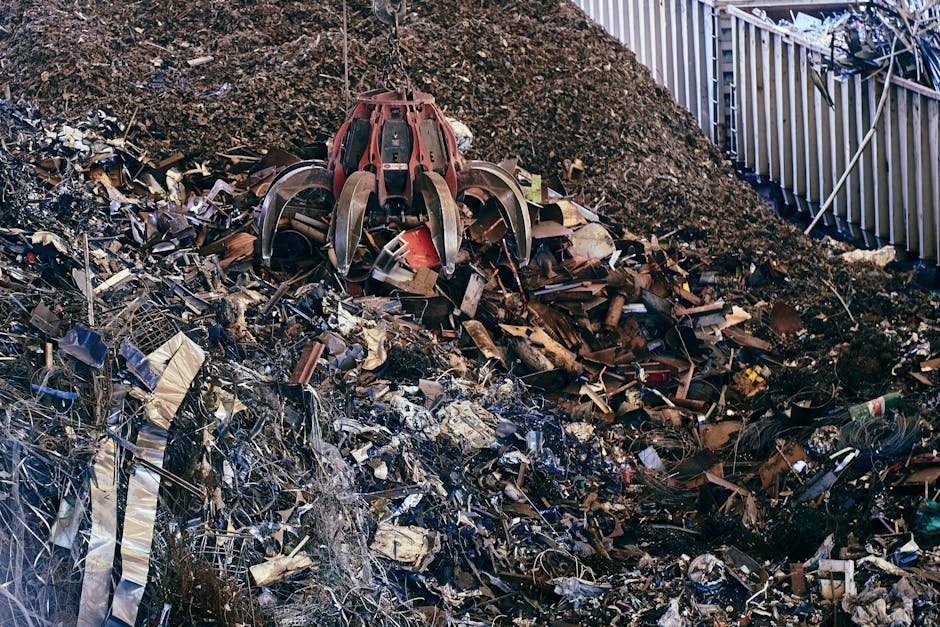

Understanding the intricacies of ame scrap metal is essential for anyone looking to participate in Australia’s growing circular economy. As global demand for raw materials intensifies, the role of scrap metal recycling becomes increasingly pivotal, transforming discarded industrial, commercial, and residential waste into valuable commodities. Whether you are a construction firm clearing a site or a homeowner cleaning out a garage, knowing how to categorize and process your metal is the first step toward sustainability and profitability. When you decide it is time to Sell Scrap Metal Near Me In 2026, having a firm grasp of current market standards will ensure you receive the best value for your materials.
The Fundamentals of Scrap Metal Grades
Scrap metal is broadly categorized into two primary groups: ferrous and non-ferrous. Distinguishing between these is the most important skill for anyone dealing with ame scrap metal. Ferrous metals contain iron and are magnetic, while non-ferrous metals do not contain iron and are typically more valuable due to their resistance to corrosion and high conductivity.
Ferrous Metals: These include steel, iron, and cast iron. They are the backbone of the construction and automotive industries. Common examples include structural steel beams, rebar, pipes, and old machinery. Because of their abundance, they are recycled in massive volumes, though they often command lower prices per kilogram compared to non-ferrous alternatives.
Non-Ferrous Metals: This category includes copper, aluminium, brass, lead, and stainless steel. These materials are highly sought after by manufacturers because they can be recycled infinitely without losing their structural properties. Copper, in particular, is a high-value commodity often found in electrical wiring, plumbing fixtures, and roofing materials. Aluminium is ubiquitous in window frames, beverage cans, and automotive parts. Identifying these materials correctly is key when you look for Scrap Metal Recycling Near Me to ensure your load is sorted for maximum payout.
How the Metal Recycling Process Works
The journey from a discarded item to a raw material is a sophisticated industrial process. It begins with collection and sorting. At a professional facility, magnets are used to separate ferrous metals from non-ferrous ones. Advanced technology, such as X-ray fluorescence (XRF) analyzers, allows recyclers to determine the exact chemical composition of a piece of metal, ensuring high purity levels.
Once sorted, the metal is processed. This involves shredding the material into smaller, manageable pieces, which makes it easier to melt down. The shredded metal is then melted in large furnaces. The molten metal is purified to remove impurities and then cast into ingots, billets, or slabs. These raw forms are sold back to manufacturers to create new products, effectively closing the loop. This process is significantly more energy-efficient than mining virgin ore. For instance, recycling aluminium saves approximately 95% of the energy required to produce it from bauxite ore. By utilizing professional services like those found at Scrap Trade Australia, you contribute to this vital energy-saving cycle.
Environmental Benefits of Metal Recycling
The environmental impact of recycling is profound. Mining for virgin metal is an invasive process that causes habitat destruction, soil erosion, and water pollution. By choosing to recycle, we reduce the need for destructive mining operations. Furthermore, the reduction in energy consumption directly correlates to a decrease in greenhouse gas emissions. When we recycle steel, for example, we reduce the amount of coal and limestone required for production, thereby lowering the carbon footprint of the entire manufacturing sector.
Water conservation is another often-overlooked benefit. Traditional metal extraction and refining are water-intensive processes. Recycling existing metal requires far less water, preserving precious water resources for local communities. Additionally, landfill diversion is a critical outcome. Scrap metal that is not recycled often ends up in landfills, where it can leach heavy metals into the soil and groundwater. Proper disposal via a reputable scrap metal trading platform ensures that these materials are handled safely and sustainably.
Regional Focus: Scrap Metal in Australia
Australia has a unique landscape for metal recycling, with specialized hubs serving diverse industrial needs. Whether you are operating in urban centers or regional areas, access to reliable recycling infrastructure is vital. For those located in specific hubs, services are tailored to local industrial output. For example, if you are looking for scrap metal tottenham, you will find facilities equipped to handle large-scale industrial volumes, whereas services for scrap metal lismore might focus more on agricultural and residential recycling needs.
The market for ame scrap metal is dynamic, influenced by global commodity prices, shipping costs, and local industrial demand. Keeping an eye on Scrap Metal Prices is essential for anyone looking to maximize their returns. Prices fluctuate daily based on the London Metal Exchange (LME) and local supply-demand imbalances. Understanding these trends allows you to time your sales effectively, ensuring you are not leaving money on the table when market conditions are favorable.
Maximizing Your Returns: Practical Tips
To get the best value for your scrap, organization is key. Mixing different types of metals can downgrade the value of your entire load. Always keep copper separate from brass, and ensure that steel is free from contaminants like plastic, rubber, or wood. Most recycling centers pay based on the purity of the material, so the cleaner the load, the higher the price per ton.
Safety is equally important. When handling scrap, always wear protective gear, including gloves and steel-toed boots. Be aware of hazardous materials that may be attached to scrap, such as lead-acid batteries or fluids in old machinery. Reputable scrap yards will have strict protocols for handling these items, and you should always disclose the presence of any potentially hazardous components before unloading your vehicle.
The Future of Metal Recycling in 2026 and Beyond
As we look toward 2026, the metal recycling industry is undergoing a digital transformation. Technology is making it easier for individuals to track market prices, locate nearby facilities, and even schedule pickups via mobile apps. The integration of blockchain and IoT in the supply chain is also improving transparency, allowing end-users to verify the recycled content of the products they purchase. This shift toward a more transparent and accessible market will empower more Australians to participate in the circular economy.
Furthermore, government regulations regarding waste management are becoming more stringent. As landfill levies increase and environmental standards tighten, the incentive to recycle will only grow. Businesses that prioritize sustainable waste management will not only comply with future regulations but also gain a competitive advantage by reducing disposal costs and generating revenue from their scrap streams.
Conclusion: Taking Action Today
The practice of recycling ame scrap metal is more than just a way to clear out clutter; it is a fundamental pillar of modern environmental stewardship and economic efficiency. By understanding the different grades of metal, the importance of proper sorting, and the broader environmental benefits, you can make informed decisions that benefit both your bottom line and the planet. Whether you are a small-scale recycler or a large industrial operator, the resources available at your fingertips make it easier than ever to participate in this essential industry. Start by identifying your scrap, checking current market rates, and connecting with a trusted local partner to ensure your materials are processed correctly. Together, we can build a more sustainable future, one kilogram of metal at a time.
Frequently Asked Questions
What is the most valuable type of scrap metal?
Copper is generally the most valuable non-ferrous scrap metal due to its high demand in electrical and plumbing industries. Clean, bright copper wire typically fetches the highest price per kilogram compared to other metals like aluminium or steel.
How do I know if my metal is ferrous or non-ferrous?
The easiest way to tell is by using a magnet. If the magnet sticks to the metal, it is ferrous, meaning it contains iron. If the magnet does not stick, it is non-ferrous, which is usually more valuable.
Do I need to clean my scrap metal before selling it?
Yes, cleaning your scrap metal by removing contaminants like plastic, rubber, or wood significantly increases its value. Recyclers pay more for ‘clean’ loads because it requires less labor and energy to process.
Why do scrap metal prices change so often?
Scrap metal prices are determined by global supply and demand, influenced by the London Metal Exchange. Factors such as mining output, manufacturing demand, and global shipping costs cause these prices to fluctuate daily.