
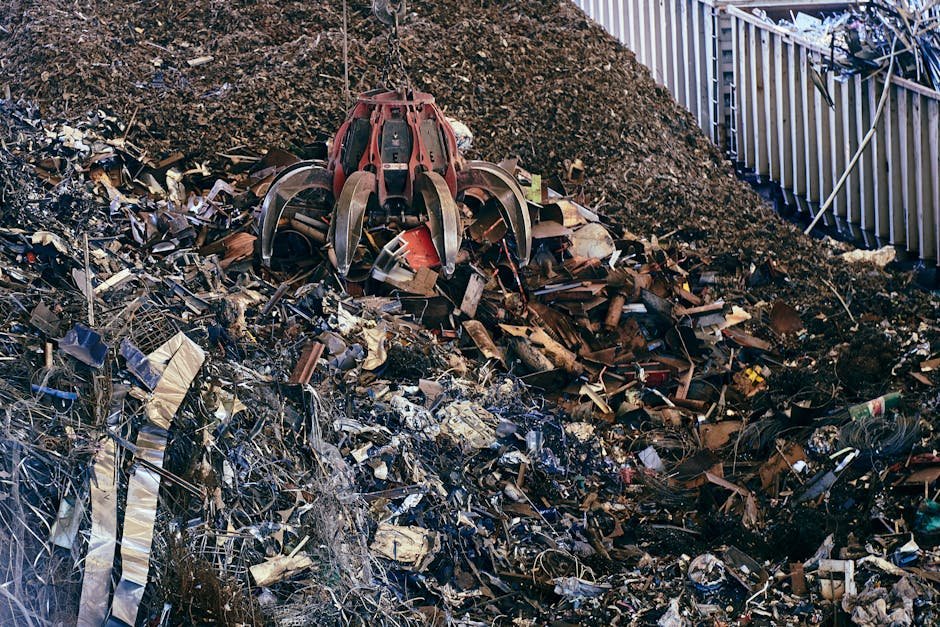

Understanding the role of enviro scrap metal recyclists is essential for businesses and individuals looking to participate in the circular economy within Australia. As global demand for raw materials intensifies, the ability to reclaim, sort, and process metal waste has become a cornerstone of sustainable industrial practice. By choosing professional recycling channels, you ensure that your waste is diverted from landfills and repurposed into high-quality feedstock for manufacturing.
The Role of Enviro Scrap Metal Recyclists in Australia
The Australian scrap metal industry is a sophisticated network of collectors, processors, and exporters. Enviro scrap metal recyclists act as the vital link between waste generation and material recovery. Their operations involve more than just collecting metal; they employ advanced technological solutions to separate complex alloys, remove contaminants, and prepare metals for global markets. Whether you are a construction firm clearing a site or a homeowner with old appliances, engaging with a reputable recycler ensures compliance with environmental regulations and maximizes the value of your materials.
When you search for Scrap Metal Recycling Near Me, you are taking the first step toward reducing your carbon footprint. These facilities are equipped with heavy-duty shears, balers, and eddy-current separators that allow them to process thousands of tonnes of material annually. This infrastructure is critical for the Australian economy, as it reduces the need for energy-intensive virgin ore mining. By utilizing the resources at Scrap Trade, you can better understand how these facilities integrate into the broader supply chain.
Understanding Scrap Metal Grades: Ferrous vs. Non-Ferrous
To maximize the efficiency of the recycling process, material must be accurately classified. The industry primarily divides scrap into two categories: ferrous and non-ferrous. Ferrous metals, such as iron and steel, contain iron and are magnetic. They are the most recycled materials globally due to their prevalence in construction and automotive industries. Non-ferrous metals, including copper, aluminium, lead, and zinc, do not contain iron and are highly valued for their resistance to corrosion and their ability to be recycled indefinitely without losing quality.
Within these categories, specific grades dictate market value. For example, high-grade copper (often referred to as ‘bright and shiny’) commands a significantly higher price than low-grade, insulated, or contaminated wiring. Similarly, heavy melting steel (HMS) is graded based on its thickness and cleanliness. Keeping up with current Scrap Metal Prices is essential for anyone looking to optimize their returns. Specialized materials, such as those found in a scrap metal magnesium drive, require specific handling protocols to ensure safety and purity during the recovery process.
The Technical Process: How Recycling Works
The journey from a discarded item to a new product is a multi-stage process. It begins with collection and transportation to the processing facility. Once on-site, the material undergoes a rigorous inspection to identify contaminants. This is where the expertise of enviro scrap metal recyclists becomes evident. They use X-ray fluorescence (XRF) analyzers to determine the exact chemical composition of alloys, ensuring that the final output meets the strict specifications required by smelters and foundries.
After sorting, the metal is shredded or sheared to reduce volume and facilitate further separation. Magnetic separators are used to pull ferrous metals from the mix, while eddy-current separators use electromagnetic fields to eject non-ferrous metals. The resulting clean, sorted material is then baled or compacted for transport. This systematic approach ensures that the purity of the metal is maintained, which is critical for the manufacturing of high-performance products. For those seeking professional services, resources like Scrap Trade Australia provide comprehensive data on how these processes are optimized for local conditions.
Environmental Benefits of Metal Recycling
The environmental argument for recycling metal is overwhelming. Extracting virgin ore requires massive amounts of energy, water, and land, often resulting in significant habitat destruction and carbon emissions. In contrast, recycling aluminium, for instance, requires 95% less energy than producing it from bauxite ore. Steel recycling reduces greenhouse gas emissions by approximately 75% compared to primary production. By diverting metal from landfills, we prevent the leaching of heavy metals into groundwater and reduce the physical footprint of waste management sites.
Furthermore, recycling supports the transition to a circular economy. When we recycle, we keep valuable resources in the production loop, reducing the need for destructive mining practices. This is particularly important for rare earth metals and specialty alloys used in modern electronics. Companies that prioritize sustainable metal management, such as those associated with ame scrap metal, are leading the way in reducing industrial reliance on finite natural resources.
Maximizing Your Returns: Practical Tips
If you have metal to dispose of, preparation is key to getting the best value and ensuring the recycling process runs smoothly. First, separate your metals by type. Mixing copper with steel or aluminium with iron significantly reduces the value of the entire load because it creates contamination that is difficult and expensive to remove. Second, remove any non-metallic attachments, such as plastic casings, rubber seals, or wooden handles. Clean metal is always worth more than dirty, mixed material.
Third, keep track of market fluctuations. Metal prices are driven by global demand, particularly from manufacturing hubs in Asia and Europe. If you are planning a large-scale project, such as a demolition or a clean-up, it pays to consult with a professional recycler beforehand. They can provide advice on how to store and sort your material to maximize its grade. If you are looking to Sell Scrap Metal Near Me In 2026, start building relationships with local yards now to understand their specific requirements and preferred delivery methods.
Safety and Compliance in the Scrap Industry
Safety is the top priority for any reputable recycling facility. Handling scrap metal involves heavy machinery, sharp edges, and potentially hazardous materials like lead or mercury-containing components. Professional recyclers adhere to strict occupational health and safety (OHS) standards to protect their workers and the environment. This includes proper ventilation during smelting, containment systems for fluids, and rigorous training for staff operating heavy equipment.
Compliance with environmental regulations is equally important. In Australia, the EPA and local councils have strict guidelines regarding the storage, transport, and processing of metal waste. Reputable recyclers maintain all necessary licenses and permits, ensuring that your waste is handled in accordance with the law. When you choose a certified recycler, you are not only getting paid for your metal; you are also ensuring that you are not liable for improper disposal practices that could lead to environmental damage or legal repercussions.
The Future of Metal Recycling: Innovation and Sustainability
The future of the industry lies in automation and advanced material science. As products become more complex—incorporating a wider array of alloys and composite materials—the challenge for recyclers is to develop new methods of separation. Robotics and AI-driven sorting systems are already being implemented in top-tier facilities to improve accuracy and speed. These innovations are making it possible to recover metals that were previously considered ‘unrecyclable’ or too costly to process.
Additionally, there is a growing focus on ‘urban mining,’ which views cities as vast repositories of valuable metals. By effectively mining our buildings, infrastructure, and electronic waste, we can secure a sustainable supply of raw materials for future generations. The ongoing commitment of enviro scrap metal recyclists to invest in these technologies is the primary driver of this shift. As we look toward the next decade, the integration of digital tracking and transparent supply chains will further enhance the efficiency and credibility of the entire recycling ecosystem.
Conclusion: Choosing the Right Partner
Selecting the right recycler is a decision that impacts both your bottom line and your environmental legacy. Whether you are an industrial client with high-volume scrap or a small business owner, the value of partnering with an expert cannot be overstated. Look for facilities that offer transparent pricing, professional equipment, and a clear commitment to environmental stewardship. By understanding the grades, the processes, and the benefits of recycling, you become an active participant in the global effort to conserve our planet’s resources.
Remember that every kilogram of metal you recycle contributes to a larger goal of resource efficiency. By following the best practices outlined in this guide, you ensure that your materials are handled correctly, valued appropriately, and returned to the manufacturing cycle. For ongoing updates on industry standards, market trends, and expert advice, continue to utilize the resources provided by our network to stay informed and ahead of the curve.
Frequently Asked Questions
What is the difference between ferrous and non-ferrous scrap?
Ferrous metals contain iron and are magnetic, such as steel and iron. Non-ferrous metals, like copper, aluminium, and brass, do not contain iron and are generally more valuable due to their corrosion resistance and infinite recyclability.
How can I get the best price for my scrap metal?
To maximize your returns, always sort your metals by type and remove any non-metallic contaminants like plastic, wood, or rubber. Clean, separated materials are much easier to process and command higher prices at the yard.
Why is it important to use a professional recycling facility?
Professional recyclers ensure that materials are processed safely and in compliance with environmental laws. They also have the technology to accurately grade and recover metals that might otherwise end up in a landfill.
Does recycling metal really save energy?
Yes, significantly. Recycling aluminium, for example, uses 95% less energy than mining and refining virgin bauxite ore, while steel recycling reduces energy consumption and greenhouse gas emissions by approximately 75%.