
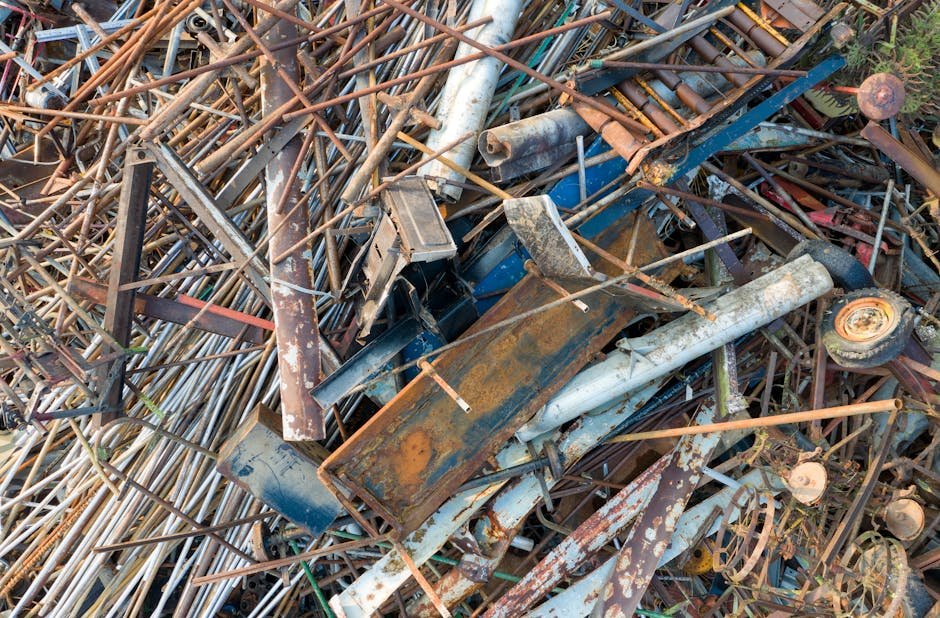

When you are looking for reliable scrap metal Crestmead services, understanding the lifecycle of your materials is the first step toward maximizing both environmental sustainability and financial gain. Whether you are a local contractor, a manufacturing plant, or a household resident, the ability to identify, sort, and process metal waste efficiently is a cornerstone of the circular economy in Queensland.
Understanding Scrap Metal Grades: Ferrous vs. Non-Ferrous
The foundation of the scrap industry lies in the classification of metals. To get the best value, you must distinguish between ferrous and non-ferrous materials. Ferrous metals, which contain iron, are magnetic and include steel, iron, and stainless steel. These are the workhorses of the construction industry and are often found in large volumes in demolition projects. If you are preparing to Sell Scrap Metal Near Me In 2026, you should start by testing your piles with a magnet. If it sticks, it is ferrous.
Non-ferrous metals, on the other hand, do not contain iron and are generally more valuable due to their resistance to corrosion and their high conductivity. Copper, aluminium, brass, lead, and zinc fall into this category. Because these metals retain their properties indefinitely through recycling, they are highly sought after. For those searching for Scrap Metal Recycling Near Me, identifying these high-value items—like copper wiring or aluminium extrusion—can significantly increase your payout. In Crestmead, where industrial activity is robust, segregating these grades at the source is the single most effective way to improve your bottom line.
The Scrap Metal Recycling Process: From Collection to Commodity
The journey of scrap metal is a sophisticated industrial process designed to turn waste into a valuable resource. Once you have collected your scrap, the process begins with inspection and sorting. Professional facilities use advanced technology, including X-ray fluorescence (XRF) analyzers, to determine the exact chemical composition of the metal. This ensures that the purity levels meet the stringent requirements of smelters and foundries.
After sorting, the metal is processed. This often involves shredding, where large items are broken into small pieces to increase surface area, or shearing, where heavy machinery cuts metal into manageable sizes. The shredded material is then separated using magnets to remove ferrous metals and eddy currents to separate non-ferrous metals. The final step is melting and purification. By visiting a professional scrap metal trading platform, you can ensure your materials enter a certified supply chain that prioritizes efficiency. This standardized approach is consistent with operations at ame scrap metal, which handles high-volume industrial recycling with precision.
Environmental Benefits of Recycling in Crestmead
The environmental argument for recycling is overwhelming. Mining virgin ore is an energy-intensive process that results in significant habitat destruction, water pollution, and greenhouse gas emissions. By recycling one tonne of aluminium, for example, you save approximately 95% of the energy required to produce the same amount from bauxite ore. This massive energy saving translates directly to a reduction in the carbon footprint of manufacturing industries across Australia.
Furthermore, scrap metal recycling mitigates the need for landfill space. Metals that are discarded in general waste can leach toxic substances into the soil and groundwater. By choosing to engage with reputable recycling partners in Australia, you are contributing to a cleaner, more sustainable future for the Crestmead region. Whether you are handling small quantities or industrial-scale waste, your commitment to proper disposal helps conserve natural resources and promotes a circular economy where materials are kept in use for as long as possible.
Maximizing Your Returns: Tips for Sellers
To get the most out of your scrap metal Crestmead efforts, you must be strategic. First, clean your scrap. Contaminated metal—such as copper wire with plastic insulation still attached or steel with excessive concrete and wood attached—is considered “dirty” and will fetch a lower price. Stripping insulation from copper wire is a labor-intensive but highly profitable task. Second, keep your metals separated by grade. Mixing aluminium with stainless steel lowers the value of the entire load to the price of the lowest-grade metal in the pile.
Stay informed about Scrap Metal Prices, which fluctuate based on global demand, commodity markets, and local supply chain logistics. By monitoring these trends, you can time your sales to coincide with market peaks. Additionally, building a relationship with a local yard is beneficial. Regular suppliers often receive priority service and better insights into market movements. If you are operating outside of the immediate Crestmead area, you might find similar professional standards at facilities like scrap metal tottenham, which serves as a benchmark for quality in the industry.
Industrial Scrap Solutions for Crestmead Businesses
Businesses in the Crestmead industrial precinct generate significant volumes of metal waste. Efficient management of this waste is not just an environmental responsibility but also a logistical one. Implementing a dedicated scrap management system can turn a cost center into a revenue stream. This includes providing on-site bins, scheduled pickups, and specialized equipment to handle heavy machinery or off-cuts. By streamlining the collection process, businesses can reduce their operational overhead and ensure that their waste management complies with local environmental regulations.
For large-scale operations, the key is to integrate recycling into the daily workflow. This means training staff to recognize valuable scrap and providing the necessary space to keep materials segregated. When you treat scrap as a commodity rather than waste, you unlock hidden value. Our platform provides the resources to connect these businesses with the right buyers, ensuring that the scrap metal Crestmead ecosystem remains robust and profitable for all participants.
The Future of Metal Recycling: Technology and Sustainability
The scrap industry is currently undergoing a digital transformation. From smart weighing scales that sync directly to accounting software to blockchain-based tracking that verifies the origin and purity of recycled metals, technology is making the process more transparent and efficient. As we move toward 2026, the integration of AI in sorting facilities will further reduce contamination rates and increase the yield of high-purity metals. This technological leap is essential for meeting the growing global demand for recycled materials in the automotive, construction, and electronics sectors.
Sustainability is also driving innovation in how we transport and process scrap. Electric-powered collection fleets and energy-efficient shredders are becoming the standard. By adopting these technologies, the scrap industry is reducing its own carbon footprint, making the entire lifecycle of metal from mine to consumer and back to the furnace as green as possible. As a resident or business owner in Crestmead, choosing to work with recyclers who invest in these technologies ensures that your contribution to the circular economy is as impactful as possible.
Safety and Compliance in Scrap Handling
Handling scrap metal carries inherent risks, including sharp edges, heavy loads, and potential exposure to hazardous materials. Safety must always be the priority. When collecting and transporting scrap, use appropriate personal protective equipment (PPE), such as heavy-duty gloves, steel-capped boots, and high-visibility clothing. Ensure that your vehicle is rated for the weight of the load and that the load is properly secured to prevent accidents during transit.
Compliance with local council regulations and environmental standards is equally important. Improper disposal of certain metals, such as lead-acid batteries or metals coated in hazardous substances, can lead to significant fines. Always check with your local council or your chosen recycling facility regarding specific disposal requirements for hazardous items. By following these safety and compliance guidelines, you protect yourself, your staff, and the environment, ensuring that the scrap metal industry in Crestmead remains a safe and respected part of the local economy.
Conclusion: Taking Action Today
The scrap metal industry is a vital component of Australia’s economic and environmental infrastructure. By understanding the grades, the recycling process, and the value of your materials, you can make informed decisions that benefit both your wallet and the planet. Whether you are clearing out a garage or managing a large-scale industrial project, the principles of segregation, cleanliness, and market awareness remain the same. Start by assessing your current inventory, separating your metals, and engaging with professional services to ensure you get the best possible outcome for your scrap metal in Crestmead. The transition to a circular economy starts with the actions of individuals and businesses today.
Frequently Asked Questions
What is the most valuable scrap metal to collect?
Copper is generally the most valuable scrap metal due to its high demand in electrical and plumbing industries. Clean, bright copper wire typically fetches the highest prices per kilogram.
How do I know if my scrap metal is ferrous or non-ferrous?
The easiest way to tell is by using a magnet. If the magnet sticks to the metal, it is ferrous (contains iron, like steel or iron). If the magnet does not stick, it is non-ferrous (like aluminium, copper, or brass).
Why is it important to clean my scrap metal before selling?
Cleaning your scrap by removing non-metal attachments like plastic, rubber, or wood increases its purity. Higher purity levels allow recyclers to process the metal more efficiently, which results in a higher payout for you.
Do scrap metal prices change often?
Yes, scrap metal prices are volatile and change frequently based on global supply and demand, commodity market fluctuations, and local currency values. It is recommended to check current market rates before selling large quantities.