
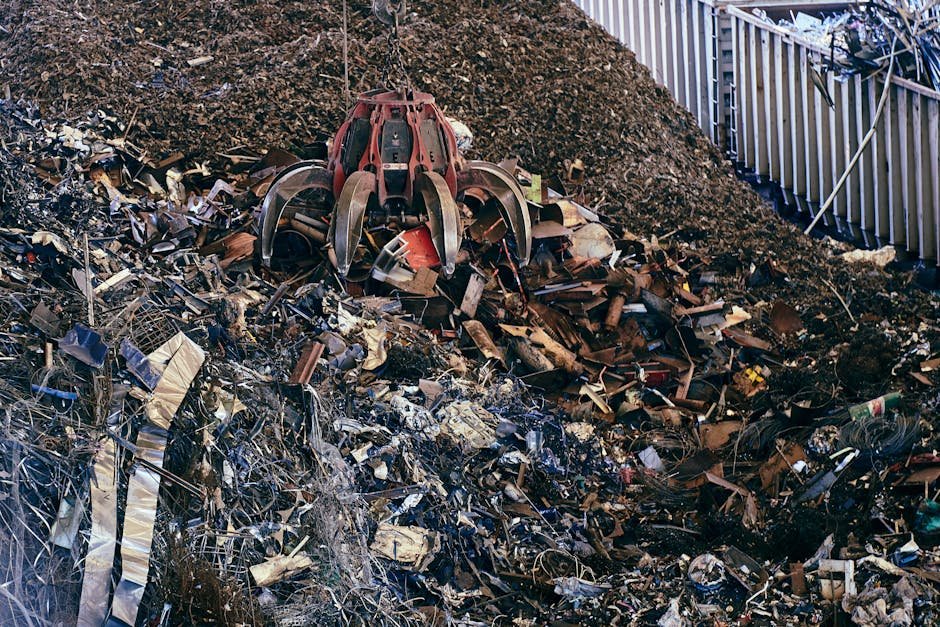

Understanding the intricacies of sim scrap metal is essential for anyone looking to participate in the circular economy, whether you are a demolition contractor, a trade professional, or an individual clearing out a site. As the Australian recycling landscape evolves, the efficiency of processing facilities has become the backbone of sustainable manufacturing. By converting end-of-life products into high-grade commodities, the industry significantly reduces the energy-intensive demand for virgin ore mining.
The Core Principles of Metal Recycling
The recycling process is a sophisticated industrial operation designed to recover maximum value from discarded materials. When you engage with a professional facility, the journey of your scrap begins with collection and transport. Whether you are looking for Scrap Metal Recycling Near Me, the process remains consistent: sorting, processing, and refining.
Sorting is the most critical stage. Advanced facilities utilize magnetic separation for ferrous metals and eddy current separators for non-ferrous materials. This ensures that contaminants—such as plastics, rubber, or hazardous materials—are removed, resulting in a pure product that smelters can use directly. If you have been searching for ways to Sell Scrap Metal Near Me In 2026, understanding this sorting process will help you prepare your loads for better valuation.
Once sorted, the metal is shredded or sheared to reduce volume. Shredding is particularly effective for light ferrous scrap, such as car bodies or white goods. The resulting “shred” is then passed through more sophisticated air and magnetic separation systems. Finally, the metals are baled or compacted for efficient transport to domestic or international smelters. This technical precision is why companies like ame scrap metal provide such a vital service to the industrial sector.
Understanding Metal Grades: Ferrous vs. Non-Ferrous
To maximize your returns, you must understand the difference between metal grades. Metals are broadly categorized into two groups: ferrous and non-ferrous. Ferrous metals contain iron and are magnetic, while non-ferrous metals do not contain iron and are generally more valuable due to their scarcity and specialized properties.
Ferrous Metals: These include steel, cast iron, and wrought iron. They are the most commonly recycled materials in the world. In the context of sim scrap metal, heavy melting steel (HMS) is a primary grade, often sourced from structural steel, beams, and heavy machinery. Understanding the current Scrap Metal Prices is crucial because ferrous markets fluctuate based on global steel production demand.
Non-Ferrous Metals: This category includes copper, aluminum, brass, stainless steel, and lead. Copper is the gold standard of the scrap industry. Whether it is bright and shiny wire or plumbing pipe, copper holds significant value. Aluminum, while lighter, is highly sought after for its infinite recyclability. Stainless steel, containing chromium and nickel, is also highly prized. For those in Queensland, specialized facilities like scrap metal crestmead offer localized expertise in grading these specific materials to ensure you receive the highest possible payout.
Environmental Benefits of Industrial Recycling
The environmental impact of recycling cannot be overstated. When we recycle metal, we are essentially “mining the urban forest” instead of the Earth. The energy savings are staggering: recycling aluminum saves approximately 95% of the energy required to produce it from bauxite ore. For steel, the savings are around 75%.
Beyond energy, recycling reduces the carbon footprint of the entire supply chain. By utilizing recycled content, manufacturers avoid the massive emissions associated with mining, crushing, and refining raw ores. Furthermore, landfill diversion is a massive win for local councils and the environment. Metals that end up in landfills can leach heavy metals into the soil and groundwater, creating long-term environmental hazards. By choosing to process your waste through a reputable scrap trading platform, you are actively contributing to a cleaner, more sustainable future for Australia.
How to Prepare Your Scrap for Maximum Value
If you want to get the best price for your materials, preparation is key. Most scrap yards operate on a volume and purity basis. If you bring in a mixed load that requires significant manual labor to sort, you will receive a lower price than if you bring in pre-sorted, clean material.
- Separate your metals: Keep copper, brass, and aluminum in separate containers.
- Remove non-metal attachments: Take off plastic handles, rubber seals, or glass components from your metal items.
- Clean your copper: Strip plastic insulation off wires if you have the time, as “bright and shiny” copper fetches a premium.
- Know your load: If you are dealing with large quantities, contact a professional service through our comprehensive national directory to discuss logistics and pricing before you arrive.
Taking the time to clean your scrap demonstrates professionalism and makes the recycling process more efficient for the yard, which is often reflected in the price they are willing to pay. Always remember that safety is paramount; avoid handling sharp edges without proper gloves and never attempt to scrap items that may contain pressurized gases or hazardous chemicals.
The Future of Metal Recycling in Australia
The Australian scrap industry is undergoing a digital transformation. We are moving away from the “old school” yard mentality toward a data-driven, transparent market. By using digital platforms to track prices and locate facilities, sellers are gaining more power and transparency than ever before. In 2026 and beyond, the integration of blockchain for material tracking and AI-driven sorting technology will continue to professionalize the sector.
The demand for recycled metals is also rising due to the global transition to renewable energy. Electric vehicles, wind turbines, and solar arrays require massive amounts of copper and aluminum. As Australia positions itself as a key supplier of recycled commodities to the global market, the role of the individual scrap seller becomes even more important. Every kilogram of metal you recycle helps satisfy this insatiable demand for raw materials, keeping the wheels of the green economy turning.
Navigating Regulations and Safety
It is important to operate within the law. In Australia, scrap metal dealers are regulated to prevent the trade of stolen goods. Expect to provide identification when selling your scrap. This is a standard procedure and helps maintain the integrity of the industry. Furthermore, always be aware of the safety protocols when entering a scrap yard. Wear high-visibility clothing, closed-toe boots, and follow the directions of the site staff at all times.
If you have large-scale industrial scrap, such as decommissioned factory equipment or demolition waste, reach out to specialized logistics providers. They can often provide skip bins or flatbed trucks to handle the heavy lifting, ensuring that the heavy metals are transported safely and legally to the processing plant. Dealing with professional entities ensures that your environmental compliance is handled correctly, protecting your business from liability.
Why Choose Professional Recycling Services?
While it might be tempting to dump scrap in a general waste bin, this is a missed opportunity for both your wallet and the planet. Professional recycling services provide the necessary infrastructure to handle hazardous materials, such as lead-acid batteries or mercury-containing switches, which should never be disposed of in standard rubbish. By choosing a facility that adheres to strict environmental standards, you ensure that your materials are handled in a way that minimizes environmental harm.
Furthermore, the economic incentive is clear. Metals are commodities with global market prices. By engaging with the professional market, you are participating in a global trade system. Whether you are a small contractor or a large industrial firm, the value of your scrap is a revenue stream that should be managed with the same care as any other business asset. Keep an eye on market trends and build a relationship with a local yard to ensure you are always getting the best service and the most accurate pricing.
Conclusion: Your Role in the Circular Economy
The concept of sim scrap metal is more than just a business transaction; it is a vital link in the global supply chain. By recovering and repurposing metals, we reduce our reliance on finite resources and lower the energy intensity of our industrial output. Whether you are a hobbyist with a few kilograms of copper or a business owner with tonnes of steel, your participation in the recycling ecosystem is valuable.
As we look toward the future, the importance of recycling will only grow. By staying informed, preparing your materials correctly, and utilizing the right professional networks, you can ensure that you are doing your part for the environment while maximizing the value of your scrap. Explore our resources, keep track of market fluctuations, and make the choice to recycle responsibly every single time.
Frequently Asked Questions
What is the most valuable type of scrap metal?
Copper is generally the most valuable scrap metal due to its high demand in electrical and plumbing industries. Other high-value metals include brass, stainless steel, and aluminum.
Do I need to strip the insulation off copper wire?
While you can sell insulated copper wire, stripping the plastic insulation off will significantly increase the value of the material. Clean, bare copper wire is classified as a higher grade and commands a better price at the scales.
Why do scrap metal prices change so often?
Scrap metal prices are driven by global supply and demand, much like stocks or commodities. Factors such as global steel production, mining output, and international trade policies all influence the daily market rates.
Is it safe to scrap items containing hazardous materials?
No, you should never attempt to scrap items that contain hazardous materials like asbestos, radioactive components, or pressurized gas canisters. Always consult with a professional recycling facility regarding the safe disposal of specialized or hazardous waste.