
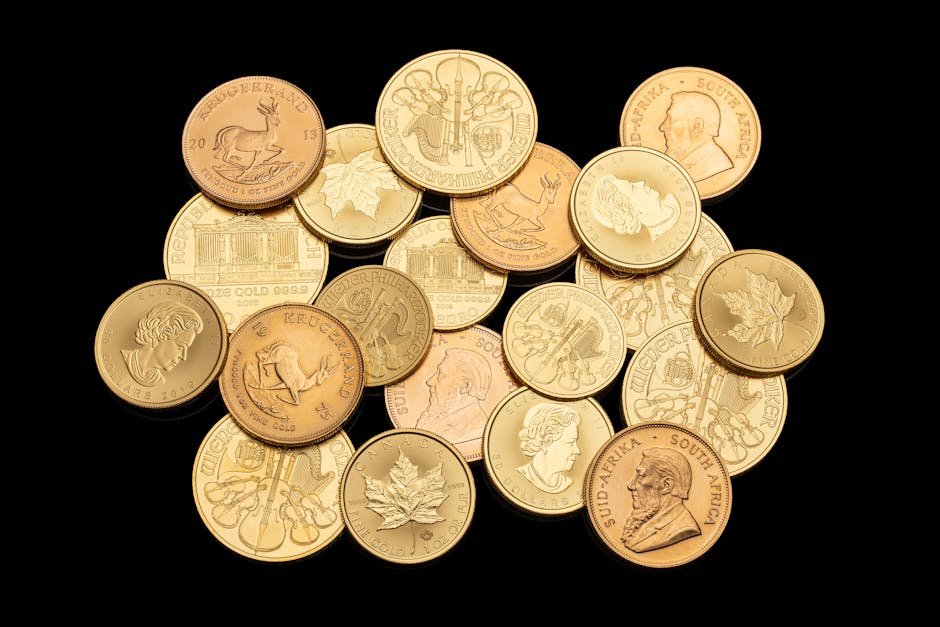

When searching for a reliable facility to manage your industrial or domestic waste, sovereign metals brendale stands out as a critical hub in the Queensland scrap industry. Understanding the local landscape of recycling is essential for anyone looking to turn waste into profit while adhering to environmental standards. Whether you are a trade contractor, a demolition expert, or a homeowner clearing out a shed, navigating the complexities of metal grades and market fluctuations requires a partner that offers transparency and professional weighing services. This guide serves as your comprehensive resource for maximizing the value of your scrap, ensuring you understand the logistics of processing, and connecting you with the right industry tools.
Understanding the Role of Sovereign Metals Brendale in the Circular Economy
The scrap metal industry is the backbone of the circular economy, and facilities like sovereign metals brendale provide the necessary infrastructure to keep raw materials in circulation. By processing scrap metals, these facilities reduce the need for energy-intensive mining, significantly lowering the carbon footprint associated with metal manufacturing. For local businesses in Brisbane, utilizing a reputable yard means more than just a payout; it means contributing to a sustainable supply chain.
When you visit a yard, you aren’t just dropping off clutter; you are participating in a global commodity market. The metals collected are sorted, cleaned, and processed into high-quality feedstock for smelters. Understanding this lifecycle helps you appreciate why preparation is key. If you want to learn more about the broader industry standards, you can explore the sovereign metals and recycling initiatives that drive efficiency in the region. Proper sorting at the source is the single most effective way to increase the value of your load. By separating copper, brass, stainless steel, and aluminum before you arrive, you ensure that you are paid the highest possible rate for each specific grade.
Maximizing Your Returns: How to Prepare Your Scrap
Preparation is the difference between a mediocre payout and a profitable one. Many sellers arrive at a facility with mixed loads, which often results in the entire batch being valued at the lowest common denominator—usually light iron or mixed scrap. To avoid this, you must categorize your metals. Start by using a magnet; if it sticks, it is a ferrous metal (iron or steel). If it doesn’t, you are likely looking at non-ferrous metals like copper, aluminum, or lead, which command significantly higher market prices.
For those looking to refine their strategy, our guide on I Buy Scrap How To Sell Your Scrap Metals Efficiently provides a step-by-step approach to cleaning your materials. For instance, removing plastic insulation from copper wire or separating aluminum cans from heavy aluminum extrusions can drastically change your bottom line. Furthermore, keeping up-to-date with Metal Prices Per Kg How To Sell Scrap Metals Profitably is vital. Market volatility is a reality in the scrap trade, and timing your sales based on global demand can result in substantial gains over the course of a year.
Navigating Ferrous and Non-Ferrous Metal Grades
The distinction between ferrous and non-ferrous metals is the foundation of scrap valuation. Ferrous metals, such as steel and iron, are typically sold in bulk. Within this category, there are specific grades, such as Heavy Melting Steel (HMS). Understanding Hms Scrap How To Sell And Profit From Scrap Metals is essential for anyone dealing with structural steel or demolition waste. HMS is graded based on its thickness and cleanliness, and adhering to these standards ensures your load is accepted without penalties.
On the other hand, non-ferrous metals are the “gold” of the scrap yard. Copper, brass, bronze, and lead are highly sought after due to their infinite recyclability. When dealing with these materials, purity is paramount. Contamination—such as brass fittings attached to copper pipes or steel screws left in aluminum plates—will lower your price. For further research on local facilities, you can investigate sovereign metals & recycling to see how they handle specialized streams. By becoming an expert in identifying these grades, you position yourself as a professional seller rather than a casual recycler, which often leads to better long-term relationships with yard managers.
The Logistics of Scrap Metal Recycling in Brendale
Brendale is a hub for industrial activity, making it an ideal location for scrap metal processing. However, transporting heavy scrap requires planning. Whether you are using a utility vehicle, a trailer, or a skip bin service, safety must be your priority. Ensure that your load is secured according to Queensland transport regulations. Overloaded vehicles are not only dangerous but can also be rejected by recycling facilities for safety reasons.
When choosing a site like sovereign metals brendale, consider the services they offer beyond just buying. Do they offer bin hire for large-scale demolition projects? Do they have a drive-through weighbridge? These logistical features can save you hours of labor. For those interested in the broader Australian market, you can visit Scrap Trade for comprehensive resources on national recycling standards. Additionally, for localized Australian trading insights, Scrap Trade Australia offers excellent data on regional market trends that can help you plan your recycling schedule effectively.
Environmental Compliance and Ethical Recycling
Recycling is an environmental imperative. When you recycle at a certified facility, you are ensuring that hazardous materials—such as lead-acid batteries, refrigerants in air conditioning units, or oil-contaminated metals—are handled in compliance with environmental laws. These materials cannot simply be dumped in a landfill; they require specialized processing to prevent soil and water contamination.
Ethical recycling also involves verifying that the facility you choose adheres to strict safety protocols. A professional yard will have clear signage, designated drop-off zones, and trained staff who can assist with heavy lifting. By choosing to recycle with reputable companies, you support an industry that prioritizes safety and environmental stewardship. Always ask for a weigh-note or receipt for your transaction; this is not only for your financial records but also serves as proof of responsible waste disposal, which is increasingly required for businesses undergoing environmental audits.
Advanced Tips for Industrial Scrap Management
If you are a business owner, managing scrap metal effectively can turn a waste management cost into a revenue stream. Implementing a “source-segregation” program within your facility is the most effective way to increase returns. This involves placing labeled bins for different metal types directly at the workstations where the scrap is generated. By preventing the mixing of metals at the point of creation, you eliminate the need for costly manual sorting later.
Furthermore, consider the timing of your sales. While it is tempting to sell as soon as you have a full bin, tracking market trends may reveal that holding onto certain metals for a few extra weeks could result in a significantly higher payout. Use digital tools and industry reports to monitor the LME (London Metal Exchange) prices, as these are the primary drivers of scrap rates in Australia. Building a consistent relationship with your local yard manager can also provide you with insights into when they are paying premiums for specific materials, such as when they are trying to fill a specific export order.
Safety Protocols and Best Practices at the Yard
Safety is the number one priority at any scrap metal facility. When entering a site, always wear appropriate Personal Protective Equipment (PPE), including high-visibility vests, steel-capped boots, and gloves. Heavy machinery, such as forklifts and excavators, is constantly in motion. Always maintain a safe distance and follow the instructions of the staff on-site. If you are unsure where to drop off a specific item, stop and ask; the staff are there to ensure the process is efficient and safe for everyone.
Additionally, be aware of the “non-acceptable” list. Most yards will not accept items that contain radioactive materials, sealed containers that could explode under pressure, or items with excessive hazardous waste. Attempting to bring these items to a yard can lead to immediate rejection and potential legal consequences. Always call ahead if you have a large or unusual load to ensure the facility has the capacity and the equipment to handle your specific materials. This proactive approach saves time for both you and the facility operators.
The Future of Metal Recycling in Australia
The scrap metal industry is evolving rapidly with the introduction of new technologies. Automated sorting, such as X-ray fluorescence (XRF) and sensor-based sorting, is becoming more common, allowing for higher purity levels in recycled metal. As these technologies become more accessible, the value of scrap will likely increase, and the process of selling will become even more streamlined. Staying informed about these advancements will keep you ahead of the curve.
Furthermore, the push toward a “Net Zero” economy is placing greater emphasis on the role of recycled metals in manufacturing. As manufacturers seek to lower their Scope 3 emissions, the demand for high-quality recycled aluminum, steel, and copper is expected to rise. By continuing to recycle your scrap responsibly, you are playing a direct role in this transition. The future of the industry is bright, and those who take the time to learn the nuances of the trade today will be the ones who benefit most from the market shifts of tomorrow.
Frequently Asked Questions
What items are generally accepted at scrap metal yards?
Most yards accept ferrous metals like steel and iron, as well as non-ferrous metals including copper, aluminum, brass, stainless steel, and lead. It is best to call ahead if you have large industrial equipment or unusual items.
How can I get the best price for my scrap metal?
The best way to maximize profit is to sort your metals by type and grade before arriving. Clean your materials by removing non-metal attachments like plastic, rubber, or wood to ensure you receive the highest price per kilogram.
Do I need to make an appointment to drop off scrap?
For smaller loads, appointments are usually not required. However, if you are bringing in a large industrial quantity, a truckload, or require bin services, it is recommended to contact the facility beforehand to arrange a time.
Why is it important to separate ferrous and non-ferrous metals?
Ferrous metals contain iron and are magnetic, while non-ferrous metals do not. Because non-ferrous metals are generally much more valuable, separating them prevents your high-value copper or aluminum from being priced at lower steel rates.