
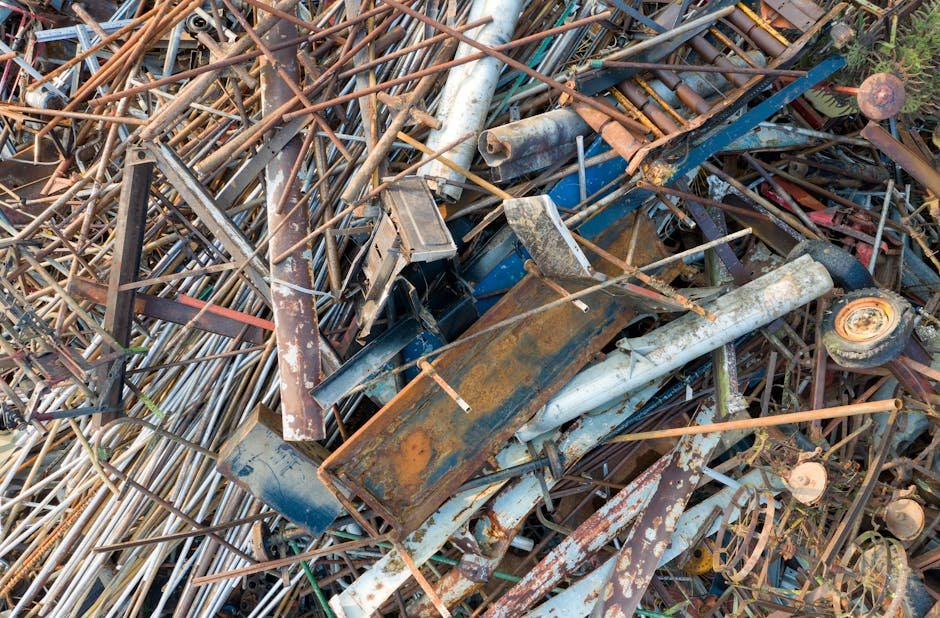

Navigating the landscape of south windsor scrap metal recycling requires a comprehensive understanding of how local industrial shifts and global commodity markets intersect. As the Western Sydney region continues to evolve, the demand for sustainable waste management solutions has never been higher. Whether you are a tradesperson, a demolition contractor, or a household owner looking to clear out unwanted materials, understanding the nuances of scrap metal grades and processing is essential for both economic gain and environmental stewardship.
The Evolution of South Windsor Scrap Metal Recycling
The industrial footprint of Western Sydney is expanding rapidly. With the ongoing “new south” growth “scrap metal” initiatives, the infrastructure for recycling has become more sophisticated. In the past, scrap metal was often viewed as a nuisance or a waste product. Today, it is recognized as a vital secondary raw material. The “new south” “growth” “scrap metal” sector has seen significant investment in technology, allowing for higher purity sorting and more efficient logistics. For those seeking to Sell Scrap Metal Near Me In 2026, it is important to recognize that the local market is more transparent than ever before. By utilizing professional Scrap Metal Recycling Near Me services, residents and businesses can ensure that their materials are handled according to the highest environmental standards.
Understanding Scrap Metal Grades: Ferrous vs. Non-Ferrous
To maximize the value of your scrap, you must distinguish between the two primary categories: ferrous and non-ferrous metals. Ferrous metals contain iron, are magnetic, and are generally more abundant but lower in price per kilogram. Common examples include steel, iron, and cast iron. These are the workhorses of the construction industry, found in beams, rebar, and automotive parts.
Non-ferrous metals, conversely, do not contain iron and are prized for their resistance to corrosion and high conductivity. This category includes copper, aluminium, brass, lead, and stainless steel. Because these metals retain their properties indefinitely through the recycling process, they command significantly higher Scrap Metal Prices. Understanding the specific grade—such as bright copper wire versus insulated copper cable—can be the difference between a modest payout and a significant return on investment.
The Mechanics of the Recycling Process
The journey from a pile of scrap in a shed to a newly manufactured product is a complex, multi-stage operation. It begins with collection and transportation to a licensed facility. Once on-site, the material undergoes a rigorous sorting process. Advanced facilities use electromagnetic separators, X-ray fluorescence (XRF) analyzers, and manual sorting to ensure that metals are segregated by alloy type. This purity is critical; even a small amount of contamination can render a whole batch of recycled aluminium or copper useless for high-end manufacturing.
After sorting, the metal is processed into smaller, manageable pieces—often through shredding or shearing—to increase the surface-area-to-volume ratio. This makes melting significantly more energy-efficient. The resulting “scrap” is then compressed into dense bales, which are easier to transport to smelters. At the smelter, the metal is melted down, purified, and cast into ingots, which are then sold back to manufacturers to create everything from new car parts to structural steel for skyscrapers.
Environmental Benefits of Metal Recycling
The environmental case for recycling metal is overwhelming. Every tonne of recycled aluminium saves approximately 95% of the energy required to produce the same amount from raw bauxite ore. For steel, the energy savings are roughly 75%. Beyond energy, recycling drastically reduces the need for destructive mining practices, which are responsible for habitat destruction, water contamination, and massive carbon footprints.
By participating in the professional metal recycling network, you are actively participating in a circular economy. This model minimizes the extraction of virgin resources and keeps materials out of landfills, where they would otherwise take centuries to break down. For local communities, this means cleaner air, less industrial noise pollution, and a more sustainable long-term economic model. If you are interested in learning more about the broader industry, you can visit our comprehensive trading platform for industry news and market analysis.
Maximizing Your Returns: Practical Tips for Sellers
If you want to get the best value for your scrap, preparation is key. First, separate your metals. A mixed bin of steel and copper will be valued at the lowest common denominator—usually the price of steel. By keeping copper, aluminium, and brass separate, you ensure that you are paid the premium rates for those high-value materials.
Second, clean your scrap. Remove non-metallic components like plastic insulation from wires, rubber seals from automotive parts, or wooden handles from tools. While some facilities will accept “dirty” scrap, the price per kilogram will be significantly lower to account for the labor required to remove these impurities. Finally, keep an eye on market trends. Metal prices fluctuate based on global supply chains, manufacturing demand, and currency exchange rates. Selling during a market peak can dramatically increase your total earnings.
Safety and Compliance in Scrap Handling
Handling scrap metal is inherently risky. Sharp edges, heavy machinery, and hazardous materials (such as lead-acid batteries or pressurized gas canisters) require specialized knowledge and protective equipment. Always wear heavy-duty gloves, steel-toed boots, and high-visibility clothing when transporting or offloading scrap. Furthermore, ensure that you are dealing with a licensed facility. Compliance with environmental regulations is not just a legal requirement; it is a safeguard against illegal dumping and improper disposal of hazardous waste.
The Future of the Industry in South Windsor
As we look toward 2026 and beyond, the scrap metal industry is poised for a technological revolution. We are seeing the rise of “smart” recycling centers that utilize artificial intelligence to identify and sort materials with near-perfect accuracy. This will lead to even higher recovery rates and more efficient use of raw materials. The integration of digital platforms for tracking the provenance of recycled metals is also gaining traction, allowing manufacturers to prove the sustainability of their supply chains to increasingly conscious consumers.
For the residents of South Windsor, this means that the local scrap metal industry will continue to be a pillar of the economy. By staying informed and engaging with reputable recyclers, you are not just clearing out your garage—you are a vital link in a global chain that is essential for a sustainable future. Whether you are a professional contractor or a hobbyist, the ability to turn waste into wealth is a skill that benefits everyone.
Conclusion: Embracing Circularity
In summary, the world of scrap metal is far more than just discarded materials. It is a sophisticated, highly regulated, and vital component of modern industrial society. By understanding the grades of metal, the mechanics of the recycling process, and the environmental impact of your choices, you can contribute to a more sustainable South Windsor. Whether you are looking to sell, recycle, or simply learn more about the industry, the resources available today make it easier than ever to make an impact. Remember to prioritize safety, keep your materials sorted, and stay updated on market trends to ensure you are getting the most out of your recycling efforts.
Frequently Asked Questions
What is the most valuable scrap metal to collect?
Copper is generally the most valuable scrap metal due to its high demand in electrical and plumbing industries. Other high-value metals include brass, stainless steel, and aluminium.
How can I tell if a metal is ferrous or non-ferrous?
The easiest way is to use a magnet. If the magnet sticks to the metal, it is ferrous (contains iron); if it does not stick, it is non-ferrous.
Do I need to clean my scrap metal before selling it?
Yes, cleaning your scrap by removing plastic, rubber, or wood attachments will significantly increase your payout. Clean, sorted metal is much easier for recycling facilities to process.
Why do scrap metal prices change so often?
Scrap metal prices are tied to global commodity markets, which are influenced by supply and demand, manufacturing activity, and currency fluctuations. Because of this, prices can shift daily.