
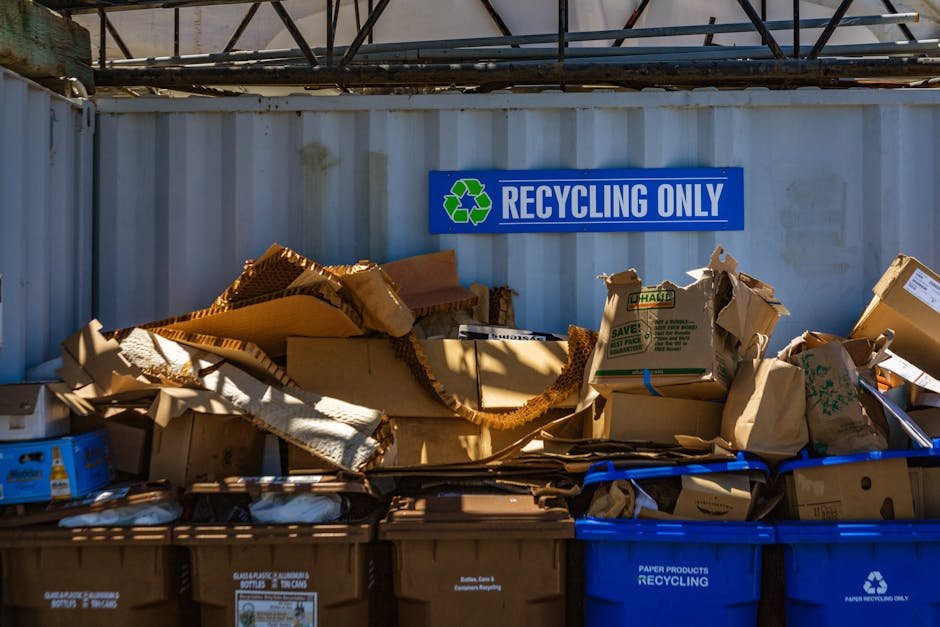

Navigating the landscape of willaston recycling requires a clear understanding of how local facilities operate and how you can maximize the value of your scrap materials. As South Australia continues to push for higher sustainability targets, residents and businesses in the Willaston and Gawler regions are increasingly looking for efficient ways to manage their waste streams. Whether you are a homeowner clearing out a shed or a contractor managing industrial site waste, understanding the nuances of scrap metal processing is essential for both environmental compliance and financial gain.
The Importance of Professional Recycling in Willaston
Recycling is not merely about clearing clutter; it is a fundamental pillar of the Australian economy. By choosing a reputable recycling centre, you are ensuring that raw materials are diverted from landfills and returned to the manufacturing supply chain. When you engage in willaston recycling, you are participating in a global effort to reduce the energy-intensive process of mining virgin ores. Metal, unlike plastic or paper, can be recycled infinitely without losing its inherent properties, making it one of the most valuable commodities in the waste management sector.
For those residing in the northern suburbs of Adelaide, finding a reliable partner is key. Many residents often search for Metal Recycling Near Me to ensure they aren’t driving long distances, which adds to the carbon footprint of the recycling process. By streamlining your efforts through local hubs, you contribute to a stronger Recycling Community that values transparency, fair pricing, and environmental stewardship.
Understanding Ferrous vs. Non-Ferrous Metals
To succeed in the scrap metal trade, you must be able to distinguish between ferrous and non-ferrous metals. Ferrous metals, such as iron and steel, contain carbon and are typically magnetic. These are commonly found in construction beams, old appliances, and automotive parts. Because they are abundant, they are usually processed in higher volumes. Conversely, non-ferrous metals—such as copper, aluminium, brass, and lead—do not contain iron and are non-magnetic. These materials are generally more valuable due to their scarcity and high demand in the electronics and manufacturing industries.
When you visit a facility for willaston recycling, having your scrap pre-sorted significantly speeds up the weighing and payment process. For instance, separating your copper wiring from your steel piping can result in a much higher payout. For those looking for specific guidance on where to take these sorted materials, checking for Scrap Metal Recycling Near Me can provide you with a list of facilities equipped to handle specific grades of metal. Always check if the facility accepts the specific type of metal you have, as some sites focus exclusively on industrial quantities while others welcome residential drop-offs.
Local Infrastructure: The Role of Gawler and Willaston
The region surrounding Gawler has seen significant growth, leading to increased demand for robust waste management solutions. The concept of recycling gawler is more than just a local service; it is a vital part of the regional infrastructure that supports the agricultural and industrial sectors of the Barossa Valley. By utilizing local services, businesses reduce their logistics costs and ensure that their waste is handled in accordance with South Australian environmental regulations.
If you are a business owner, partnering with a professional scrap trader is essential. You can find comprehensive resources on [scrap metal trading](https://scrap.trade) to understand how market fluctuations impact the price you receive for your scrap. Furthermore, for those looking for broader industry insights, [the official scrap trade portal](https://scraptrade.com.au) offers data on current market trends that can help you time your sales for maximum profitability. Integrating these professional resources into your business model ensures that you are not just disposing of waste, but managing a secondary revenue stream.
Best Practices for Scrap Preparation
Efficiency is the name of the game when it comes to scrap metal. Preparation is the difference between a quick, profitable trip and a time-consuming ordeal. Here are some expert tips to optimize your scrap:
- Clean your metal: Remove non-metallic attachments like plastic, rubber, or wood. Dirty scrap often fetches a lower price because the processor has to spend time cleaning it.
- Sort by type: Keep copper, brass, aluminium, and steel in separate containers. Mixing metals often results in them being priced at the lowest common denominator.
- Strip wires: While it takes time, removing the insulation from copper wires can significantly increase the value of the copper.
- Safety first: Always wear gloves and protective eyewear when handling scrap metal, as sharp edges are common.
- Check for hazardous materials: Never bring pressurized tanks, radioactive materials, or sealed containers that might contain chemicals to a standard recycling yard.
By following these steps, you demonstrate professionalism and respect for the recycling facility’s operations. Most operators will appreciate a well-sorted load, and some may even offer better rates for high-quality, clean scrap.
The Environmental Impact of Localized Recycling
The environmental benefit of recycling metal locally cannot be overstated. When we recycle metal, we reduce the need for mining, which is one of the most destructive industrial processes on Earth. Mining destroys habitats, consumes massive amounts of water, and produces significant greenhouse gas emissions. In contrast, recycling aluminium, for example, uses 95% less energy than producing it from raw bauxite ore.
In the context of the Willaston and Gawler region, local recycling reduces the number of trucks on the road transporting heavy waste to distant landfills or processing plants. This localized approach lowers the overall carbon footprint of the waste management cycle. Furthermore, by supporting local facilities, you are helping to create jobs and keep the economy circulating within the community. It is a win-win scenario where environmental health and economic prosperity go hand in hand.
Navigating Market Prices and Fluctuations
Scrap metal prices are volatile and are influenced by a variety of global factors, including industrial demand in China, the strength of the Australian dollar, and the global price of commodities like iron ore and copper. Because these prices fluctuate daily, it is important to stay informed. Many professional traders check market indices before deciding when to sell their stock.
As a casual recycler, you may not be able to time the market perfectly, but you can certainly avoid selling during periods of extreme market lows. If you have a large amount of high-value scrap, such as copper or stainless steel, it might be worth holding onto it for a few weeks if you hear reports of rising commodity prices. However, for most residential recyclers, the convenience of clearing out space often outweighs the minor gains from market timing. The most important thing is to establish a relationship with a reputable dealer who provides transparent pricing and honest weight measurements.
The Future of Recycling Technology
The industry is rapidly evolving with the integration of new technologies. Automated sorting, such as X-ray fluorescence (XRF) and advanced sensor-based sorting, is becoming standard in modern facilities. These technologies allow for the rapid identification and separation of metal alloys, ensuring that the recycled output is of the highest possible purity. This high-quality recycled metal is then sold back to manufacturers to create everything from new car parts to beverage cans.
As we look to the future, the integration of digital platforms will continue to play a major role. Platforms that connect scrap generators with buyers are making the process more transparent and accessible. By embracing these digital tools, the recycling industry is becoming more efficient, reducing waste, and ensuring that no valuable material is left behind. The transition to a circular economy is well underway, and your participation in local recycling efforts is a critical part of this transition.
Conclusion: Taking Action
Recycling is a simple yet powerful action that every individual and business can take to support a sustainable future. By understanding the basics of willaston recycling, sorting your materials correctly, and choosing the right partners, you can ensure that your scrap metal is handled in the most responsible and profitable way possible. Whether you are cleaning out a garage or managing industrial waste, the steps you take today have a lasting impact on our environment. Remember to keep your materials clean, stay informed about market trends, and choose local facilities that prioritize ethical and efficient recycling practices. Start your journey toward better waste management today and contribute to a cleaner, more sustainable South Australia.
Frequently Asked Questions
What items are typically accepted at a Willaston recycling centre?
Most recycling centres in the area accept a wide range of metals including copper, aluminium, brass, steel, and iron. Always call ahead to confirm if they accept specific items like whitegoods, car batteries, or industrial machinery.
Do I need to sort my scrap metal before arriving?
Yes, it is highly recommended to sort your scrap by metal type before arriving. This allows the facility to weigh your items accurately and ensures you receive the best possible price for your materials.
How are scrap metal prices determined?
Scrap metal prices are determined by global commodity markets, the purity of the metal, and the current demand for that specific material. Prices can fluctuate daily, so it is often worth checking current market trends before selling large quantities.
Is there a charge for dropping off scrap metal?
In most cases, you are paid for the scrap metal you drop off, especially for non-ferrous metals like copper and aluminium. However, some items that require special handling or disposal may incur a fee, so it is best to check with the facility beforehand.