
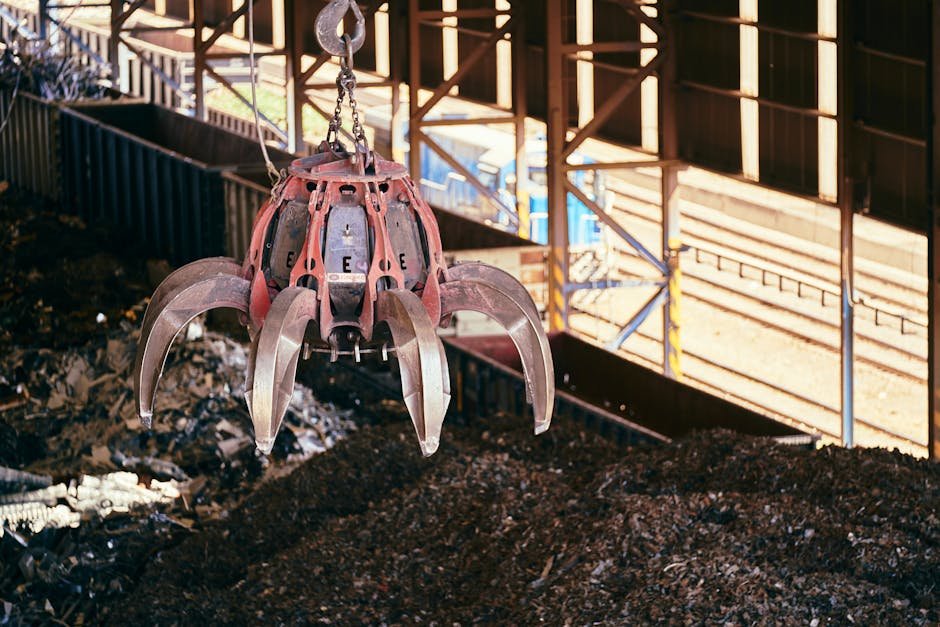

When searching for reliable facilities in South Australia, mcmahon scrap metal port pirie stands out as a critical hub for the regional circular economy. Managing scrap metal effectively requires more than just collection; it demands a sophisticated understanding of metallurgy, logistics, and global market fluctuations. Whether you are an industrial contractor or a local resident, understanding how mcmahon scrap metal port pirie operates helps you maximize the value of your materials while contributing to a sustainable future. As the industry evolves, staying informed is essential, especially when you need to Sell Scrap Metal Near Me In 2026 to ensure you are getting the best market rates.
The Role of McMahon Scrap Metal Port Pirie in the Australian Industry
The facility at Port Pirie serves as a vital link in the Australian scrap metal supply chain. By processing diverse metal streams, the site ensures that raw materials are diverted from landfills and reintroduced into the manufacturing sector. This process is complex, involving sorting, shearing, torching, and baling, which prepares the metal for high-capacity smelting. For those operating outside of this specific region, similar standards of excellence can be found at south windsor scrap metal or scrap metal londonderry, both of which uphold the rigorous grading standards required for international trade.
When dealing with mcmahon scrap metal port pirie, clients benefit from a facility that understands the nuances of both ferrous and non-ferrous metals. Ferrous metals, such as iron and steel, are processed in bulk, while non-ferrous metals—like copper, aluminum, and brass—require precise identification and separation to maintain their intrinsic value. This professional approach is not just about convenience; it is about ensuring that the global supply chain remains robust and that manufacturers have access to high-quality secondary raw materials.
Understanding Metal Grades and Classification
To get the most value from your scrap, you must understand how facilities grade material. Grading is the process of identifying the purity, alloy composition, and physical state of the metal. For example, clean copper pipe is graded significantly higher than copper mixed with solder or plastic insulation. If you are dealing with complex equipment, you should consult our Telecom Scrap Metal Selling Guide to learn how to strip and sort high-value components effectively.
The classification system is generally divided into two main categories: Ferrous and Non-Ferrous.
- Ferrous Metals: These contain iron and are magnetic. Common grades include HMS (Heavy Melting Steel), plate and structural steel, and cast iron. These are the workhorses of the construction and automotive industries.
- Non-Ferrous Metals: These do not contain iron and are highly valuable due to their resistance to corrosion and high conductivity. This includes copper, aluminum, lead, zinc, and stainless steel.
At mcmahon scrap metal port pirie, the team uses advanced testing equipment, such as XRF (X-ray fluorescence) analyzers, to determine the exact chemical composition of alloys. This technology ensures that the scrap is correctly classified, which is vital for the downstream smelting process. Proper classification is the difference between a high-value commodity and a low-value waste product.
The Recycling Process: From Collection to Commodity
The recycling journey is a multi-stage operation. Once material enters the facility, it undergoes a rigorous sequence of events designed to maximize recovery. First, the material is weighed on certified scales to establish a baseline. Then, it is inspected for contaminants like hazardous waste, wood, or excessive plastic, which can degrade the quality of the final melt.
Once cleared, the material is sorted. Smaller items are processed through magnetic separators, while larger structural pieces are cut down using hydraulic shears or oxy-fuel torches. This size reduction is crucial for transport efficiency. Once processed, the metal is baled or loaded into shipping containers. For those involved in larger operations, it is imperative to understand the protocols for Secure Scrap Metal Export Transactions to protect your financial interests during international shipping.
The final step is the transport to smelters, either domestically or overseas. By utilizing a professional scrap metal trading platform, businesses can track their material movement and ensure transparency throughout the supply chain. This transparency is what builds trust between the collector and the end-user, ensuring that the circular economy functions as intended.
Environmental Benefits of Scrap Metal Recycling
Recycling metal is one of the most effective ways to reduce industrial carbon footprints. Producing new metal from virgin ore is an energy-intensive process that involves mining, crushing, and smelting, all of which emit significant greenhouse gases. In contrast, recycling scrap metal uses a fraction of the energy required for virgin extraction.
For instance, recycling aluminum saves approximately 95% of the energy required to produce it from bauxite ore. Similarly, recycling steel reduces water consumption by 40% and air pollution by 86%. By supporting facilities like those in the Australian scrap metal network, you are directly contributing to the preservation of natural landscapes and the reduction of landfill waste. This environmental stewardship is a core component of the modern scrap metal industry, shifting the focus from simple waste disposal to sustainable resource management.
Practical Tips for Maximizing Scrap Value
To ensure you receive the best return on your scrap, preparation is key. Here are several expert tips:
- Sort by Metal Type: Never mix copper with steel or aluminum. Mixing grades forces the facility to perform extra labor, which will lower your payout.
- Remove Contaminants: Take the time to remove plastic, rubber, or wood attachments. Clean metal is always worth more than dirty, mixed scrap.
- Strip Cables: If you have large quantities of insulated wire, consider stripping the plastic coating to expose the bare copper.
- Keep it Clean: Avoid letting your scrap sit in the rain or mud, as excess dirt and oxidation can affect the weight and grade.
- Stay Updated on Prices: Market prices fluctuate daily based on the London Metal Exchange (LME). Check current rates before you visit the yard.
By following these practices, you transform from a casual seller into a professional supplier, which often leads to better long-term relationships with scrap yards and more consistent pricing.
Logistics and Global Export Standards
The export of scrap metal is governed by strict international standards, such as the Basel Convention, which regulates the movement of hazardous wastes. Ensuring that your scrap meets these standards is critical for avoiding legal complications and ensuring that your materials are accepted at international ports. When exporting, documentation is paramount. This includes certificates of analysis, weight tickets, and customs declarations.
For businesses looking to scale their operations, partnering with an experienced logistics provider is essential. The process of moving scrap from a regional site to an international smelter involves complex scheduling and specialized container loading. By maintaining high standards of quality control at the source—such as the processes used at mcmahon scrap metal port pirie—exporters can ensure that their shipments are compliant and highly sought after by global manufacturers.
Future Trends in the Scrap Metal Industry
The future of the scrap industry is tied to technology and sustainability. We are seeing a shift toward automated sorting using artificial intelligence and robotic arms that can distinguish between metal alloys in milliseconds. This increases efficiency and safety, as it reduces the need for human interaction with dangerous or heavy materials.
Furthermore, the demand for “green steel” is driving up the value of high-quality scrap. As manufacturers move toward carbon-neutral production, they are increasingly relying on recycled content to meet their ESG (Environmental, Social, and Governance) targets. This shift is a massive opportunity for anyone involved in the scrap trade, as it positions recycled metal as a premium, high-demand commodity rather than a secondary waste product.
Conclusion: Why Expertise Matters
Navigating the world of scrap metal requires a balance of local knowledge and global market awareness. Whether you are dealing with a local yard or coordinating international shipments, the principles remain the same: quality, transparency, and efficiency. By choosing to work with established facilities and utilizing professional trading platforms, you ensure that your scrap metal contributes to a sustainable future while providing the best possible financial return.
The industry is more than just buying and selling; it is about resource recovery and the ongoing health of our planet. As we look toward 2026 and beyond, the role of facilities like those in Port Pirie will only become more significant. By staying educated, preparing your materials, and engaging with the right networks, you can play a pivotal role in the global supply chain, ensuring that valuable resources are never truly wasted.
Frequently Asked Questions
What is the most valuable type of scrap metal?
Generally, non-ferrous metals like copper, brass, and high-grade aluminum are the most valuable. Their value is driven by their high demand in electrical and manufacturing industries.
How do I know if my scrap metal is ferrous or non-ferrous?
The simplest test is to use a magnet. If the magnet sticks to the metal, it is ferrous (iron-based). If it does not stick, it is likely a non-ferrous metal.
Does the condition of the scrap affect the price?
Yes, cleanliness is a major factor in pricing. Materials that are free of dirt, plastic, insulation, and other contaminants are graded higher and command better prices.
Why is market price for scrap metal constantly changing?
Scrap metal prices are tied to global commodity markets, specifically the London Metal Exchange (LME). Factors such as supply and demand, geopolitical events, and manufacturing output influence these daily fluctuations.