
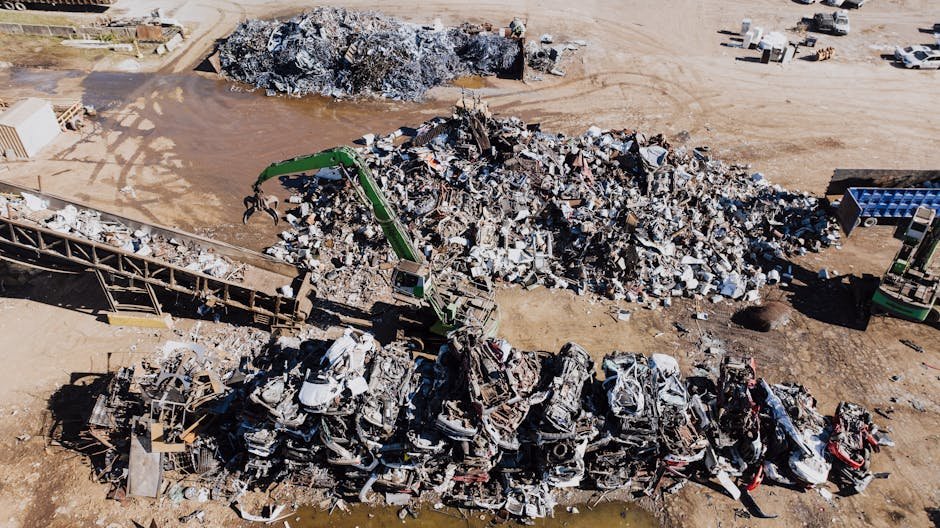

Navigating the landscape of metal recycling Bundaberg requires a blend of local knowledge, material expertise, and an understanding of global commodity markets. Whether you are a homeowner clearing out a shed or a site manager overseeing large-scale industrial metal recycling, understanding how to sort, value, and transport your scrap is the key to maximizing your financial return and ensuring environmental compliance. This guide serves as your authoritative resource for everything related to the scrap trade in the Wide Bay-Burnett region.
The Economic and Environmental Impact of Scrap in Bundaberg
Bundaberg’s economy has long been supported by agriculture, manufacturing, and construction—sectors that naturally generate significant volumes of metallic waste. By participating in professional recycling programs, local businesses reduce their carbon footprint and divert thousands of tonnes of material from landfills annually. When you engage in high-quality metal recycling, you are contributing to a supply chain that provides raw materials to foundries across Australia and internationally, reducing the need for destructive mining practices.
For those looking for immediate local services, searching for Metal Recycling Near Me is the first step in connecting with facilities that have the machinery to process heavy-duty scrap. Unlike general waste, metals are infinitely recyclable. Copper, for example, retains its properties regardless of how many times it is melted down. In Bundaberg, the focus is increasingly on the efficiency of this recovery process, ensuring that every kilogram of non-ferrous and ferrous material is tracked and processed appropriately.
Understanding Core Metal Recycling Categories
To get the best price for your materials, you must understand the distinction between different types of scrap. The industry generally categorizes materials into two primary groups: ferrous and non-ferrous. Ferrous metals contain iron and are magnetic, such as steel and cast iron. While these are abundant, they are generally lower in value compared to non-ferrous metals. Non-ferrous metals—which include copper, aluminium, brass, lead, and stainless steel—are the high-value commodities that drive the Core Metal Recycling market.
When preparing your materials for a facility, keep these tips in mind:
- Sorting is essential: Mixing steel with copper will automatically downgrade the value of the entire load to the price of steel.
- Clean your scrap: Removing insulation from copper wire or plastic attachments from aluminium extrusions significantly increases your payout.
- Know your grades: Copper is graded by cleanliness (e.g., Bright and Shiny vs. Burnt Copper).
If you are unsure about the classification of your specific load, it is best to consult with experts at professional scrap trading services to ensure you are not leaving money on the table. Proper segregation is the hallmark of a savvy trader.
Navigating Industrial Metal Recycling in the Region
Large-scale operations in Bundaberg require specialized logistics. Whether you are managing demolition waste or agricultural machinery decommissioning, industrial metal recycling involves heavy lifting, specialized transport, and strict adherence to safety protocols. It is not just about the money; it is about the safe handling of hazardous materials, such as lead-acid batteries or industrial coolants that may be attached to metallic components.
Many local businesses compare their options against national players, such as sims metal recycling, to understand the benchmarks for pricing and service reliability. When dealing with high-volume scrap, consider the logistics of the collection. Do you require a skip bin service? Does the yard provide on-site weighing? These operational questions are just as important as the per-tonne price offered for your scrap.
Practical Tips for Maximizing Scrap Value
Maximizing your returns in the metal recycling Bundaberg market is an exercise in preparation. First, monitor global market trends. Metal prices fluctuate daily based on the London Metal Exchange (LME). While you cannot predict every shift, understanding that prices are tied to global demand for raw materials helps you time your sales during peak market conditions.
Second, establish a relationship with a reputable yard. If you are a consistent supplier, you are more likely to receive preferential pricing or priority service during busy periods. Use tools like Scrap Metal Recycling Near Me to compare reviews and service offerings of local yards. Look for facilities that offer:
- Certified weighbridge scales for accurate measurement.
- Transparent pricing lists based on current market rates.
- Efficient payment processing, such as instant bank transfers.
- Environmental certification to ensure your scrap is handled legally and responsibly.
By treating your scrap metal as a commodity rather than waste, you shift your perspective from a disposal mindset to a trading mindset. This is the difference between a casual recycler and a professional trader.
Safety and Compliance in Scrap Trading
Safety is the most overlooked aspect of the metal recycling industry. Bundaberg yards operate under strict Work Health and Safety (WHS) regulations. When visiting a yard, always wear high-visibility clothing, sturdy boots, and gloves. Be aware of heavy machinery movement, including forklifts and excavators, which are constant fixtures in any active recycling site.
Furthermore, ensure you are compliant with local environmental regulations. Never attempt to scrap items that contain prohibited materials, such as radioactive components or pressurized gas cylinders that have not been certified as empty. Reputable yards will refuse these items, and attempting to hide them can lead to significant fines or safety hazards for workers. If you need further information, visit the leading platform for scrap metal trading to stay updated on industry standards and best practices.
The Future of Recycling in Bundaberg
The future of metal recycling Bundaberg is bright, with technology playing an increasingly large role in how scrap is processed. We are seeing the adoption of advanced optical sorting machines and AI-driven material analysis, which allow yards to identify metal alloys with near-perfect accuracy. This technological leap ensures that the scrap you drop off is processed more efficiently, leading to higher purity levels in the recycled metal that returns to the manufacturing cycle.
As the circular economy gains momentum, the role of the local trader becomes even more critical. We are moving away from a linear “take-make-dispose” model toward a system where every piece of metal is accounted for. Whether you are a small household recycler or a large industrial entity, your participation in this system is a direct contribution to a more sustainable future for Queensland. Keep your scrap clean, keep your records accurate, and stay informed on local market trends to ensure you are getting the most out of your recycling efforts.
Common Pitfalls to Avoid
Even experienced recyclers can fall into traps that reduce their profitability. One common mistake is neglecting to remove non-metallic attachments. For example, a radiator that still has plastic tanks and steel brackets attached will be downgraded. Another pitfall is failing to secure your load during transport. Not only is this a road safety issue, but it can also lead to the loss of valuable material. Always ensure your load is covered and tied down securely. Finally, do not wait for the absolute peak of the market to sell if you have a significant volume of scrap sitting on your property. The cost of storage, potential oxidation, and the risk of theft often outweigh the marginal gains of waiting for a slightly better price. Sell when the price is fair, and keep your inventory moving.
Conclusion
Successfully navigating the world of metal recycling Bundaberg requires a combination of logistical planning, material knowledge, and a commitment to safe, ethical trading practices. By understanding how to categorize your scrap, knowing when to sell, and choosing the right partner for your recycling needs, you can turn your waste into a significant revenue stream. As the industry evolves, staying connected with reliable resources and local experts will ensure you remain at the forefront of the scrap trade. Remember, every piece of metal you recycle is a step toward a more sustainable and resource-efficient Australia. Start by auditing your current scrap inventory, separating your non-ferrous materials, and reaching out to a local facility that meets your specific needs for volume and service.
Related: Core Metal Recycling
Related: industrial metal recycling
Frequently Asked Questions
What is the most valuable metal to recycle in Bundaberg?
Copper is consistently the most valuable metal to recycle due to its high demand in electrical and plumbing industries. Other high-value metals include brass, aluminium extrusions, and stainless steel.
Do I need to clean my scrap metal before taking it to a yard?
Yes, cleaning your scrap by removing non-metallic parts like plastic, wood, or rubber significantly increases its value. Clean, sorted metal is easier for the yard to process and commands a higher price.
How do metal prices in Bundaberg change?
Metal prices are determined by global commodity markets and the London Metal Exchange (LME). Local yards adjust their buying prices based on these global trends, shipping costs, and local demand.
Can I get a skip bin for industrial metal recycling?
Yes, most professional recycling facilities in Bundaberg offer skip bin services for industrial or commercial clients. This is the most efficient way to handle large volumes of scrap safely and legally.