
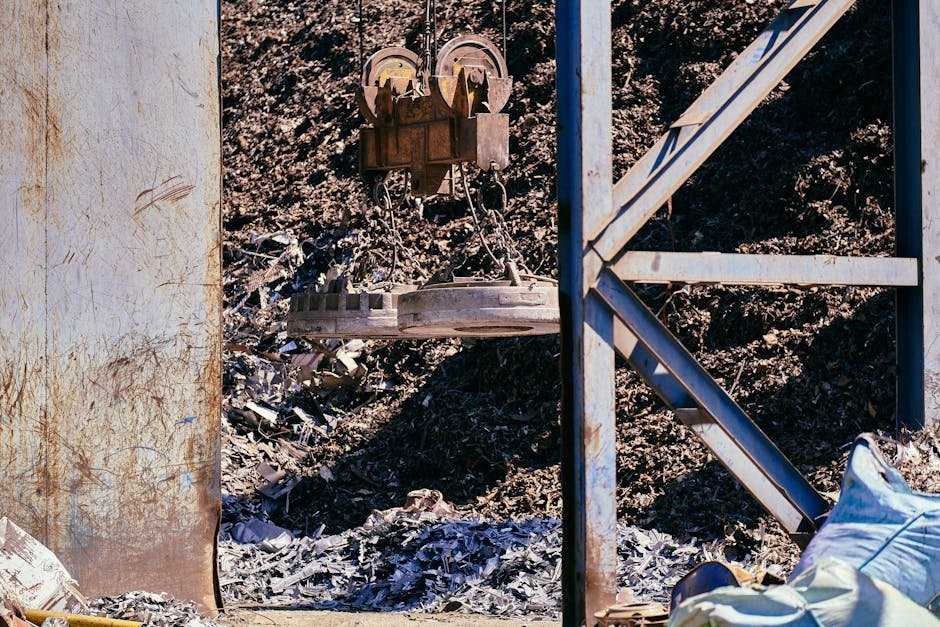

When searching for reliable metal recycling tottenham services, it is essential to understand the local landscape of scrap processing. Tottenham, situated in Melbourne’s western industrial corridor, serves as a critical hub for the recovery of both industrial and domestic scrap materials. By choosing professional recycling channels, you ensure that your waste is diverted from landfills and returned to the manufacturing supply chain, contributing to a more sustainable future for Australia.
The Importance of Metal Recycling in Tottenham
The industrial heritage of Melbourne’s west has made Tottenham a focal point for scrap metal logistics. Metal recycling is not merely a waste management strategy; it is a fundamental pillar of the modern economy. When you engage in metal recycling tottenham, you are participating in a global effort to conserve natural resources. Mining virgin ores is energy-intensive and environmentally destructive, whereas recycling existing metal consumes significantly less energy. For instance, recycling aluminium saves approximately 95% of the energy required to produce it from bauxite ore. Furthermore, the local scrap industry provides employment and supports the regional economy by providing raw materials to local foundries and international exporters.
As the industry evolves, the demand for high-quality, sorted scrap has increased. Whether you are a small-scale collector or a large manufacturing enterprise, understanding the value of your scrap is the first step toward profitability. If you are currently looking for options, you might find it helpful to explore Scrap Metal Recycling Near Me to identify facilities that offer competitive pricing and efficient collection services. By consolidating your efforts, you reduce transport costs and carbon emissions, making the entire recycling process more efficient.
Understanding Ferrous vs. Non-Ferrous Scrap
To excel in the scrap trade, one must distinguish between ferrous and non-ferrous metals. Ferrous metals, such as iron and steel, are magnetic and are the most commonly recycled materials in the world. They are the backbone of construction and automotive industries. Conversely, non-ferrous metals—including copper, aluminium, brass, and lead—are non-magnetic and generally hold a higher market value due to their durability and infinite recyclability without loss of quality. When you search for Metal Recycling Near Me, you will notice that professional yards often categorize their pricing based on these distinct metal types.
For those managing large-scale operations, industrial metal recycling is a specialized field that requires precision and adherence to strict safety protocols. Industrial scrap often comes in the form of heavy machinery, structural steel, or production offcuts. Managing these materials requires heavy-duty equipment, such as hydraulic shears and balers, which are standard in top-tier Tottenham facilities. If you are operating outside of the Melbourne area, you might also be interested in regional services like metal recycling bundaberg, which highlights the national reach of the scrap trading network.
Maximizing Your Returns: Best Practices for Scrap Sellers
The secret to getting the best price for your scrap lies in preparation. Sorting your materials before arriving at a recycling facility can significantly increase your payout. Mixing copper with steel, for example, will often result in the entire load being graded at the lower price of the steel. Always strip insulation from copper wiring, remove non-metallic attachments from aluminium parts, and keep different grades of metal in separate containers. This level of diligence demonstrates that you are a serious trader and allows the yard to process your materials faster.
Furthermore, timing your sales with market fluctuations is a professional tactic. Metal prices are commodities that move according to global supply and demand. Keeping an eye on the London Metal Exchange (LME) can provide insights into when to sell. For expert advice on how to manage your scrap portfolio, visit the Scrap Trade portal for comprehensive resources. Additionally, you can find detailed information on industry standards and local regulations at Scrap Trade Australia, which provides a wealth of knowledge for both beginners and seasoned scrap metal merchants.
The Environmental Impact of Professional Recycling
Every tonne of metal recycled is a tonne of CO2 prevented from entering the atmosphere. The process of metal recycling tottenham facilities employ involves sophisticated shredding, magnetic separation, and eddy current separation technologies. These machines ensure that even the smallest fragments of metal are captured and repurposed. This circular approach is vital for Australia’s commitment to the Paris Agreement and local waste reduction targets. By diverting scrap from landfills, we prevent heavy metals like lead and mercury from leaching into the groundwater, thereby protecting the local ecosystem of the Maribyrnong River and surrounding areas.
Logistics and Safety in the Scrap Industry
Safety is the most critical aspect of the scrap metal industry. Handling heavy, jagged, and sometimes hazardous materials requires rigorous adherence to Occupational Health and Safety (OHS) standards. Whether you are loading a truck or operating a forklift, wearing appropriate Personal Protective Equipment (PPE) is non-negotiable. Many professional yards in Tottenham offer collection services, which is often the safest and most convenient option for businesses that generate high volumes of scrap. Utilizing these services ensures that heavy loads are handled by professionals with the right equipment, minimizing the risk of workplace injuries.
The Future of Scrap: Innovation and Technology
The future of the scrap industry is being shaped by digitization and advanced material science. We are seeing a shift toward real-time tracking of scrap loads and the use of AI-driven sorting technologies that can identify metal alloys with near-perfect accuracy. As we move toward a more digitized economy, platforms that connect buyers and sellers are becoming more sophisticated, allowing for transparent pricing and better market access. The integration of Core Metal Recycling principles ensures that the most valuable components are recovered and reused in high-end manufacturing, further closing the loop on material waste.
Navigating Regulations and Compliance
Operating within the scrap metal industry in Victoria requires compliance with the Second-Hand Dealers and Pawnbrokers Act. These laws are designed to prevent the trade of stolen goods and ensure that all transactions are documented. When you deal with a reputable recycler in Tottenham, you can expect them to verify your identity and maintain accurate records of all purchases. This regulatory framework protects both the buyer and the seller, fostering a professional environment where legitimate trade can flourish. Always ensure that the facility you choose is fully licensed and adheres to the latest environmental protection standards set by the EPA.
Conclusion: Choosing the Right Partner
Successful metal recycling is a partnership between the generator of the scrap and the facility that processes it. By focusing on quality, sorting, and safety, you can turn what was once considered waste into a valuable revenue stream. Whether you are an industrial contractor in Tottenham or a local resident clearing out a garage, the principles of professional recycling remain the same. Take the time to research your options, understand the market, and choose a partner that values transparency and sustainability. By doing so, you contribute to a stronger, greener, and more efficient Australian economy. Remember that the scrap you hold today is the raw material for the infrastructure of tomorrow.
Frequently Asked Questions
What items are commonly accepted at Tottenham recycling centers?
Most centers accept ferrous metals like steel and iron, and non-ferrous metals such as copper, aluminium, brass, and lead. It is best to call ahead to confirm if they accept specific items like whitegoods or car batteries.
How can I get the best price for my scrap metal?
To get the best price, ensure your scrap is clean and sorted by metal type. Removing plastic, rubber, or wood attachments significantly increases the value of your load.
Is it mandatory to provide ID when selling scrap metal?
Yes, under Victorian law, scrap metal dealers are required to verify the identity of sellers to prevent the trade of stolen goods. Always carry a valid photo ID when visiting a yard.
Does metal recycling actually help the environment?
Absolutely. Recycling metal consumes significantly less energy than mining and refining virgin ore, reduces greenhouse gas emissions, and prevents hazardous waste from entering landfills.