
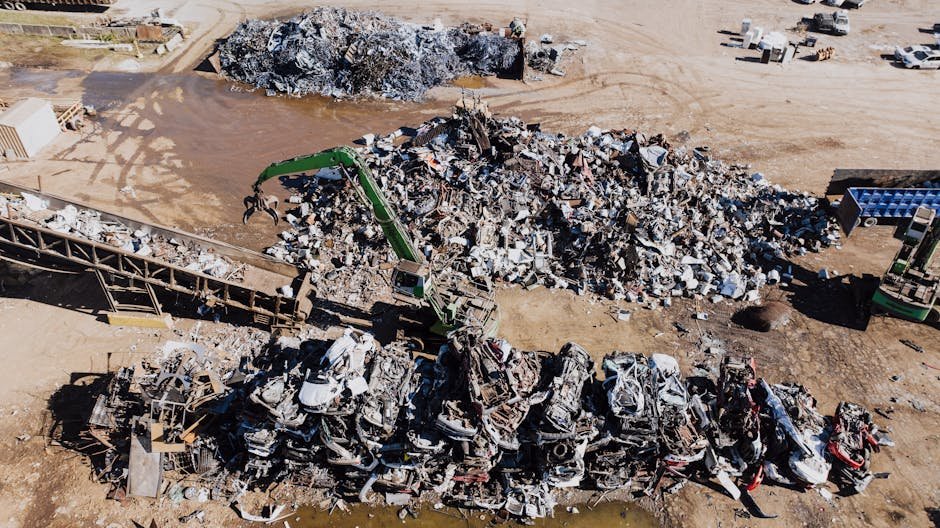

Partnering with premier metal recyclers is the most efficient way to ensure your scrap metal is handled with industry-leading standards. Whether you are a commercial contractor or a residential homeowner, understanding the lifecycle of your scrap is essential for both profit and sustainability. By choosing professional services, you ensure that your materials are diverted from landfills and reintegrated into the global supply chain, which is why many individuals search for Sell Scrap Metal Near Me In 2026 to stay ahead of market trends.
The Lifecycle of Scrap: How Premier Metal Recyclers Operate
The journey from a discarded piece of machinery to a refined metal ingot is a sophisticated industrial process. When you bring your materials to a premier metal recyclers facility, the process begins with rigorous sorting. Metals are categorised into ferrous (iron-based) and non-ferrous (copper, aluminium, brass, lead) groups. Using advanced technology like X-ray fluorescence (XRF) analysers, recyclers can determine the exact chemical composition of the scrap, ensuring high-purity outputs.
Once sorted, the metal undergoes shredding or shearing. Shredding breaks down bulky items into palm-sized pieces, making it easier to separate contaminants like plastics, rubber, or glass. Magnetic separators are then employed to pull ferrous metals from the mix, while eddy current separators are used for non-ferrous materials. This meticulous process is why established metal top recyclers are preferred by major manufacturers; they provide the consistent quality required for modern steel and aluminium production. For those looking for local expertise, finding metal recyclers sunshine provides a gateway to these advanced processing capabilities.
Drop-Off vs. Pickup: Choosing the Right Service
One of the most common questions for those managing scrap is whether to utilise a drop-off service or request a pickup. A drop-off at a professional recycling centre is often the fastest way to get paid. If you have a small to medium volume of metal, visiting a site allows for immediate weighing and payment based on current Scrap Metal Prices. This is ideal for tradespeople who have regular scrap generation and want to maintain a clean job site.
Conversely, a pickup service is essential for large-scale industrial projects, demolition sites, or commercial clearances. Premier recyclers provide skip bins or flatbed trucks to manage bulk volume, which is critical for site safety and logistics. By offloading the transport to the professionals, you save on labour costs and reduce the risk of workplace accidents. If you are uncertain about which service fits your needs, exploring Scrap Metal Recycling Near Me can help you identify providers that offer both flexible drop-off hours and comprehensive fleet support for large-scale pickups.
The Environmental Benefit and Carbon Footprint
The primary environmental benefit of recycling metal is the massive reduction in energy consumption compared to virgin ore extraction. For instance, recycling aluminium saves approximately 95% of the energy required to produce it from bauxite ore. By keeping metal in the circular economy, we drastically lower the carbon footprint associated with mining, smelting, and refining. Every tonne of recycled steel saves over a tonne of iron ore and significantly reduces CO2 emissions.
Furthermore, metal recycling prevents the leaching of heavy metals into soil and groundwater, which occurs when scrap is left to rust in landfills. As Australia pushes toward a greener future, the role of recycling centres becomes more critical. By choosing a certified recycler, you are actively participating in a system that prioritises resource conservation. You can learn more about the broader impacts of this industry by visiting the official scrap trading portal or checking out resources at Australia’s leading scrap trade network.
Maximising Value: Tips for Sellers
To get the most out of your scrap, preparation is key. First, separate your metals. Mixing copper with steel significantly lowers the value of the load because the recycler must spend extra time and energy separating them. Clean your scrap of non-metal contaminants like wood, plastic, or insulation. Stripping copper wire, for example, can move your material from a lower grade to a higher grade, netting you a better return.
Second, stay informed about market fluctuations. Metal prices are volatile and influenced by global demand, particularly in the automotive and construction sectors. Checking Scrap Metal Prices regularly allows you to time your sales when the market is peaking. Finally, build a relationship with your local yard. Regular customers often receive better service, faster processing, and sometimes even premium rates for large or consistent volumes of high-quality scrap.
Safety and Compliance in Metal Recycling
Safety is paramount when handling scrap metal. Sharp edges, heavy loads, and hazardous materials (such as sealed containers or radioactive scrap) pose significant risks. Premier metal recyclers adhere to strict Occupational Health and Safety (OHS) regulations to ensure that every site visit is safe. When dropping off, always wear appropriate personal protective equipment (PPE), including steel-toe boots and gloves.
Compliance is equally important. Reputable recyclers are licensed to handle various materials and maintain strict records of all transactions. This helps prevent the trade of stolen goods and ensures that hazardous waste, such as lead-acid batteries or CFC-containing appliances, is processed according to environmental regulations. Always look for a facility that displays its certifications clearly, as this is a hallmark of a professional operation.
The Future of the Industry: Technology and Innovation
The future of metal recycling is being shaped by AI and robotics. Automated sorting lines are becoming the standard, using high-speed cameras and artificial intelligence to identify metal alloys in milliseconds. This precision allows for the creation of “green steel,” a product made entirely from recycled content with near-zero emissions. As global regulations tighten around carbon taxes and environmental reporting, the demand for recycled metal will only increase.
For the average seller, this means that the value of scrap will likely remain a strong hedge against inflation. By keeping up with industry shifts and utilizing the services of premier metal recyclers, you are not just clearing out clutter—you are contributing to a vital industrial ecosystem. Whether you are a small business owner or a DIY enthusiast, the ability to turn waste into a revenue stream is a skill that will pay dividends for years to come.
Frequently Asked Questions
This section addresses common queries regarding the recycling process and logistics.
- What is the most valuable metal to recycle? Copper is generally the most valuable common scrap metal due to its high demand in electrical and plumbing industries.
- Do I need to clean my scrap before bringing it to a recycling centre? While not strictly required, removing contaminants like plastic, rubber, or wood will significantly increase the value of your scrap.
- How are scrap metal prices determined? Prices are based on global commodities markets, demand from manufacturers, and the purity/grade of the metal you are selling.
- Can I recycle household appliances? Yes, most appliances (white goods) are accepted, but they must be drained of any refrigerants or hazardous fluids before being processed.
Related: metal top recyclers
Frequently Asked Questions
What is the most valuable metal to recycle?
Copper is generally the most valuable common scrap metal due to its high demand in electrical and plumbing industries.
Do I need to clean my scrap before bringing it to a recycling centre?
While not strictly required, removing contaminants like plastic, rubber, or wood will significantly increase the value of your scrap.
How are scrap metal prices determined?
Prices are based on global commodities markets, demand from manufacturers, and the purity/grade of the metal you are selling.
Can I recycle household appliances?
Yes, most appliances (white goods) are accepted, but they must be drained of any refrigerants or hazardous fluids before being processed.