
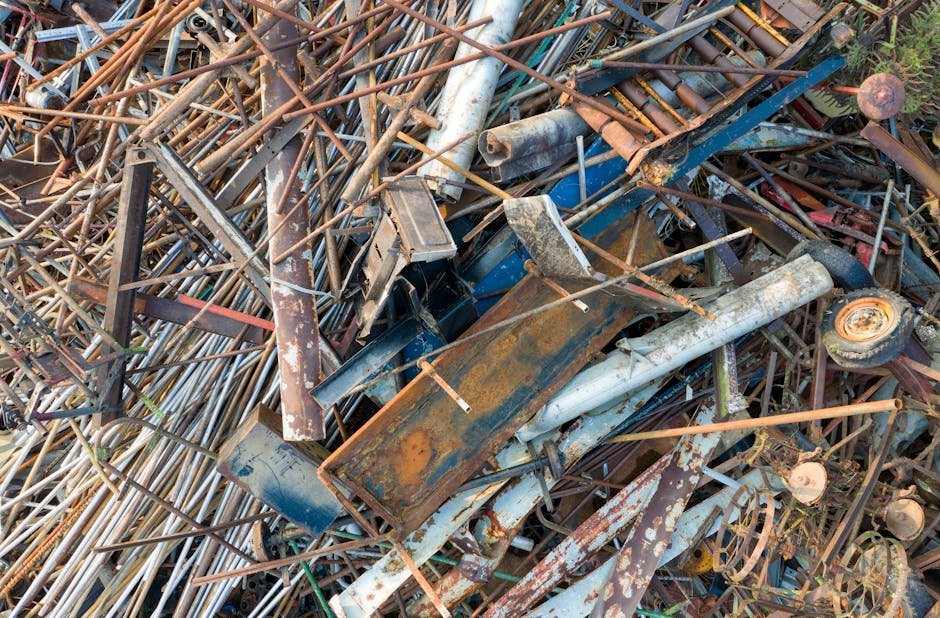

Scrap metal recycling in Castlereagh plays a vital role in Australia’s circular economy. By repurposing materials like steel, copper, and aluminum, the region contributes to environmental sustainability while generating economic value. This guide explores the grades of scrap metal available, the recycling process, and the environmental benefits of responsible disposal. Whether you’re a trader, business, or individual, understanding these elements can help you maximize returns while supporting green initiatives.
Understanding Scrap Metal Grades in Castlereagh
Scrap metal in Castlereagh is categorized into two primary types: ferrous and non-ferrous. Ferrous metals contain iron and are magnetic, while non-ferrous metals lack iron and are often more valuable due to their conductivity and resistance to corrosion.
Ferrous Scrap Grades
- Steel Cuts: Includes structural steel, rebar, and construction debris. Common in demolition projects.
- Sheet Steel: Thin metal sheets used in automotive and appliance manufacturing.
- Plates and Bars: Thick, heavy-duty steel components from industrial equipment.
Non-Ferrous Scrap Grades
- Copper: High-value due to conductivity. Found in wiring, pipes, and electronics.
- Aluminum: Lightweight and corrosion-resistant. Used in packaging, vehicles, and aerospace.
- Brass and Bronze: Alloys containing copper, zinc, or tin. Common in plumbing and musical instruments.
Sorting scrap by grade is critical for maximizing its value. For example, scrap metal prices fluctuate based on market demand for specific metals, making accurate categorization essential.
How Scrap Metal Recycling Works in Castlereagh
The recycling process in Castlereagh involves several steps to ensure materials are safely and efficiently repurposed:
1. Collection and Sorting
Scrap is collected from industrial sites, construction zones, and households. Sorting separates ferrous and non-ferrous metals using magnets and sensors. Contaminants like plastic and wood are removed to avoid compromising the recycling stream.
2. Shredding and Processing
Large metal items are shredded into smaller pieces. Non-ferrous metals undergo further separation via eddy current technology. The resulting materials are compacted into bales or melted down for refining.
3. Refining and Reuse
Processed metals are sold to manufacturers who melt them and mold them into new products. This reduces the need for raw material extraction, conserving natural resources.
For seamless recycling, residents and businesses can use local services like Scrap Metal Recycling Near Me to locate certified facilities in Castlereagh.
Environmental Benefits of Scrap Metal Recycling
Recycling scrap metal in Castlereagh offers significant environmental advantages:
- Energy Savings: Recycling aluminum requires 95% less energy than producing new aluminum from bauxite ore.
- Emission Reduction: Recycling steel cuts CO2 emissions by up to 58% compared to traditional production methods.
- Landfill Diversion: Australia generates over 3 million tons of construction and demolition waste annually. Recycling prevents this from filling landfills.
For example, reusing copper reduces the need for mining, which often causes habitat destruction and water contamination. By prioritizing recycling, Castlereagh aligns with global sustainability goals like the UN’s Circular Economy Action Plan.
Practical Tips for Selling Scrap Metal in Castlereagh
Selling scrap metal can be lucrative if done strategically. Here are key tips:
1. Research Market Prices
Monitor scrap metal prices to time sales during peak demand. Non-ferrous metals like copper often see higher prices during construction booms.
2. Choose a Reputable Buyer
Work with approved recyclers to ensure fair compensation and ethical practices. Check reviews and certifications before trading.
3. Clean and Sort Your Scrap
Remove dirt, oil, and non-metallic components to avoid deductions. Proper sorting by grade ensures accurate pricing.
4. Use Online Platforms
Platforms like Scrap Trade streamline the selling process, connecting you with verified buyers in Castlereagh. Their tools also provide real-time price tracking.
Scrap Metal Recycling in Regional Areas
While Castlereagh has robust recycling infrastructure, neighboring regions like scrap metal Londonderry and scrap metal Armidale also play key roles. These areas often specialize in different metal grades due to local industry needs. For instance, Londonderry’s proximity to mining operations increases demand for heavy machinery parts, while Armidale’s agricultural sector generates more tool and equipment scrap.
Collaborating with regional recyclers ensures a cohesive national scrap network. Platforms like Scrap Trade Australia coordinate these efforts, optimizing logistics and pricing across locations.
Challenges and Innovations in Scrap Recycling
The industry faces challenges like contamination and fluctuating global metal prices. Innovations such as AI-powered sorting systems and blockchain-based tracking are improving efficiency. For example, Castlereagh-based recycler GreenMetal Solutions recently adopted AI sensors that identify 99.9% of non-ferrous metals, increasing profit margins for traders.
Conclusion
Scrap metal Castlereagh is a cornerstone of sustainable resource management. By understanding grades, recycling processes, and market trends, individuals and businesses can contribute to a greener future while earning revenue. Whether you’re selling old copper wiring or large steel components, leveraging platforms like Scrap Trade ensures you get the best value and support environmental goals.
FAQs
What are the most valuable scrap metals in Castlereagh?
Non-ferrous metals like copper, aluminum, and brass command the highest prices. Copper, used in electrical wiring, is particularly lucrative due to its conductivity.
How do I prepare scrap metal for recycling?
Clean the metal to remove contaminants, sort it by type (ferrous vs. non-ferrous), and check for hazardous materials like batteries or fuels. Proper preparation ensures accurate pricing and compliance with recycling standards.
Can I recycle electronic devices in Castlereagh?
Yes, e-waste like computers and phones contain recoverable metals. Use certified e-recycling services to safely extract components and avoid environmental hazards from improper disposal.
How does recycling reduce carbon emissions?
Recycling metals requires significantly less energy than mining and refining raw materials. For example, producing recycled steel saves 60% of the energy needed for new steel, directly cutting greenhouse gas emissions.
Frequently Asked Questions
What are the most valuable scrap metals in Castlereagh?
Non-ferrous metals like copper, aluminum, and brass command the highest prices. Copper, used in electrical wiring, is particularly lucrative due to its conductivity.
How do I prepare scrap metal for recycling?
Clean the metal to remove contaminants, sort it by type (ferrous vs. non-ferrous), and check for hazardous materials like batteries or fuels. Proper preparation ensures accurate pricing and compliance with recycling standards.
Can I recycle electronic devices in Castlereagh?
Yes, e-waste like computers and phones contain recoverable metals. Use certified e-recycling services to safely extract components and avoid environmental hazards from improper disposal.
How does recycling reduce carbon emissions?
Recycling metals requires significantly less energy than mining and refining raw materials. For example, producing recycled steel saves 60% of the energy needed for new steel, directly cutting greenhouse gas emissions.