

Understanding the operations and logistics behind sims scrap metal is essential for anyone involved in the Australian resource recovery sector. Whether you are an industrial contractor, a demolition expert, or a household recycler, navigating the complexities of metal grades and market fluctuations is the key to maximizing your return. As global demand for sustainable materials rises, the role of large-scale recyclers becomes increasingly critical in maintaining a circular economy. By choosing to process your materials through established channels, you contribute to a more efficient supply chain that powers local manufacturing.
The Evolution of Metal Recycling in Australia
The Australian recycling landscape has transformed significantly over the last decade. Historically, scrap was viewed merely as waste, but today, it is recognized as a vital commodity. When we look at the infrastructure behind sims scrap metal, we see an intricate network of collection yards, advanced shredding facilities, and export terminals. This infrastructure is designed to handle everything from heavy industrial steel beams to fine copper wiring. The process begins with collection, often facilitated by those looking to Sell Scrap Metal Near Me In 2026. By aggregating these materials, recyclers can achieve the economies of scale necessary to justify the energy-intensive process of smelting and refining.
For those located in specific regions, such as the ACT, local facilities provide essential services. If you are searching for scrap metal queanbeyan, you are tapping into a regional node that feeds into the broader national network. This ensures that even remote or regional scrap is captured and diverted from landfills. The efficiency of this system relies on the accurate identification and segregation of metals at the source. This is where professional expertise becomes invaluable, as the purity of the scrap directly influences the final valuation.
Understanding Metal Grades: Ferrous vs. Non-Ferrous
To navigate the market effectively, one must understand the distinction between ferrous and non-ferrous metals. Ferrous metals, which contain iron, are magnetic and generally denser. Common examples include carbon steel, stainless steel, and cast iron. Because these materials are used extensively in construction and automotive manufacturing, they are recycled in massive volumes. On the other hand, non-ferrous metals—such as copper, aluminium, lead, and zinc—are highly prized for their corrosion resistance and electrical conductivity. These metals do not degrade during the recycling process, meaning they can be recycled indefinitely without losing their properties.
When you investigate scrap metal prices sims, you will notice a significant variance based on the grade and purity of the material. Copper, for instance, is often categorized by its brightness and lack of contaminants like insulation or solder. Aluminium is graded based on its alloy type, such as extrusion, sheet, or cast. Understanding these grades is not just about profit; it is about ensuring that the material is routed to the correct processing stream. Contaminated loads can often result in lower payouts, as the recycler must expend additional energy and labor to clean the material. For those seeking professional guidance, our comprehensive recycling resource offers deep insights into how to prepare your loads for maximum value.
The Industrial Recycling Process: How It Works
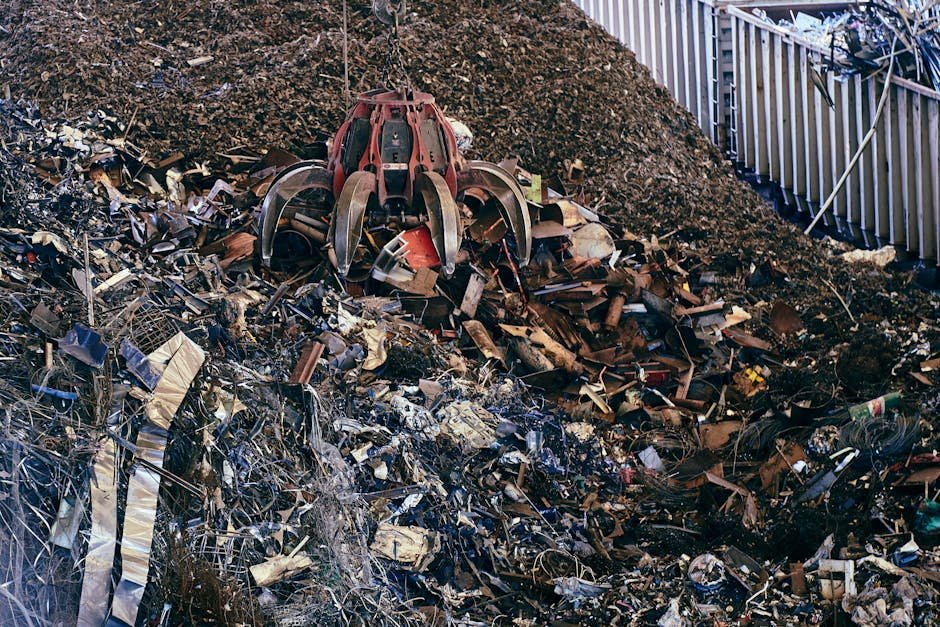
The journey from a pile of discarded metal to a new product is a marvel of industrial engineering. Once the scrap is collected, it undergoes a rigorous sorting process. Advanced technology, including X-ray fluorescence (XRF) analyzers and eddy current separators, is used to distinguish between different alloys. For larger items, massive hydraulic shears and industrial shredders break the material down into smaller, manageable pieces. This reduction in size is crucial for the smelting process, as it increases the surface-area-to-volume ratio, allowing the metal to melt more efficiently.
After shredding, the material is cleaned of non-metallic contaminants like plastics, rubber, and glass. This is often done using magnetic separation for ferrous materials and density-based separation for non-ferrous ones. The resulting high-purity “shred” is then sold to steel mills and foundries. If you are looking for Scrap Metal Recycling Near Me, you are essentially locating the entry point to this sophisticated pipeline. By providing clean, sorted scrap, you assist the entire industry in reducing the carbon footprint associated with virgin metal production, which is one of the most energy-intensive processes on the planet.
Economic Factors and Market Fluctuations
The market for metals is global and highly volatile. Prices are influenced by a myriad of factors, including geopolitical stability, mining output, and the strength of the Australian dollar. When checking Scrap Metal Prices, it is important to realize that these are often pegged to the London Metal Exchange (LME). As a result, the value of your scrap can shift daily. Large players like sims scrap metal operate on thin margins and high volumes, which is why they are so sensitive to these global price movements.
For the individual seller or small business, timing the market can be challenging. However, maintaining a consistent supply and building a relationship with a reliable yard is a better strategy than trying to time the peaks. Many professional traders use historical data to predict trends, but for most, the focus should remain on proper sorting and volume. If you manage a demolition site or a workshop, creating a dedicated space for scrap segregation will pay dividends in the long run. By keeping your copper separate from your steel, you ensure that you receive the highest possible price for each specific grade.
Environmental Benefits of Metal Recycling
The environmental case for recycling is undeniable. Mining virgin ore requires the removal of vast amounts of overburden, the consumption of massive quantities of water, and the release of significant greenhouse gases. In contrast, recycling steel consumes approximately 75% less energy than producing it from iron ore. For aluminium, the energy savings are even more dramatic, reaching up to 95%. By participating in the recycling economy, you are directly reducing the demand for new mining operations and preserving natural habitats.
Beyond energy savings, recycling prevents toxic materials from entering our landfills. Old electronics, batteries, and lead-acid components contain heavy metals that can leach into groundwater if not disposed of correctly. Professional recycling facilities are equipped with the safety protocols and environmental safeguards to manage these hazardous materials responsibly. When you choose to recycle, you are not just getting paid; you are performing an act of environmental stewardship that supports the long-term health of the Australian landscape. For more information on how to participate in these sustainable practices, visit our central recycling portal for expert guides.
Practical Tips for Scrap Preparation
To get the most out of your recycling efforts, preparation is key. First, always remove non-metallic attachments. A steel beam with large rubber gaskets or wooden blocks attached will be classified as ‘dirty’ scrap, which carries a lower price. Second, store your metal in a dry, covered area if possible. Rust and oxidation can affect the quality of the metal, particularly with non-ferrous types like copper and brass. While light surface rust on steel is usually acceptable, heavy corrosion can lead to downgrading.
Third, keep your materials sorted by type. Mixing stainless steel with mild steel or aluminium with zinc makes it difficult for the yard to assess the load, often leading to a conservative estimate. If you have a large quantity of a specific item, such as copper wiring, consider stripping the insulation if you have the tools to do so safely. However, always weigh the cost of your labor against the potential increase in price. Sometimes, the ‘prepared’ price difference is not enough to cover the time spent stripping cables. Always communicate with your local yard manager to understand their specific requirements, as different facilities have different processing capabilities.
The Future of Scrap Metal in 2026 and Beyond
As we look toward 2026, the industry is poised for further technological integration. Automation and artificial intelligence are being deployed to improve sorting accuracy, which will lead to higher purity levels and more efficient recycling. We are also seeing a shift toward ‘urban mining,’ where cities are viewed as reservoirs of raw materials. This shift is crucial as the world moves toward a net-zero future. The role of the individual and the small business will continue to be the backbone of this supply chain, providing the necessary volume to keep these advanced facilities running at capacity.
Whether you are a professional contractor or a hobbyist, your involvement in the recycling loop is a vital component of Australia’s industrial resilience. By staying informed about market conditions, practicing rigorous sorting techniques, and utilizing the resources available at your local yard, you contribute to a more sustainable future. The scrap industry is complex, but it is also remarkably rewarding for those who take the time to understand its mechanics. Keep your eyes on the market, maintain your standards of purity, and continue to support the circular economy through responsible recycling practices.
Conclusion
Recycling is more than just a way to make extra money; it is a fundamental pillar of modern industrial society. By understanding the nuances of metal grades, the complexities of the processing chain, and the environmental impacts of our choices, we can all play a part in a more efficient future. Whether you are dealing with industrial quantities or a small collection of household items, the principles remain the same: sort, clean, and recycle. We encourage you to continue your education on these topics to ensure you are always getting the best value and contributing to the highest environmental standards. Thank you for being a part of the Australian recycling community.
Frequently Asked Questions
What is the most valuable scrap metal to recycle?
Copper is generally the most valuable scrap metal due to its high demand in electrical and construction industries. Other high-value metals include brass, lead, and certain grades of stainless steel.
Does rust affect the price of scrap steel?
Yes, heavy rust or oxidation can lower the value of your scrap. While light surface rust on ferrous metal is common, excessive corrosion reduces the actual metal content, which may lead to a lower grade classification.
Why is it important to sort scrap metal before taking it to a yard?
Sorting your metal ensures that you receive the correct price for each grade. Mixing metals leads to ‘dirty’ loads, which are often valued at the price of the lowest-value metal in the pile, resulting in a loss of potential profit.
How often do scrap metal prices change?
Scrap metal prices are volatile and can change daily or even hourly based on global market conditions and the London Metal Exchange. It is best to check current rates with your local facility shortly before you plan to sell.