
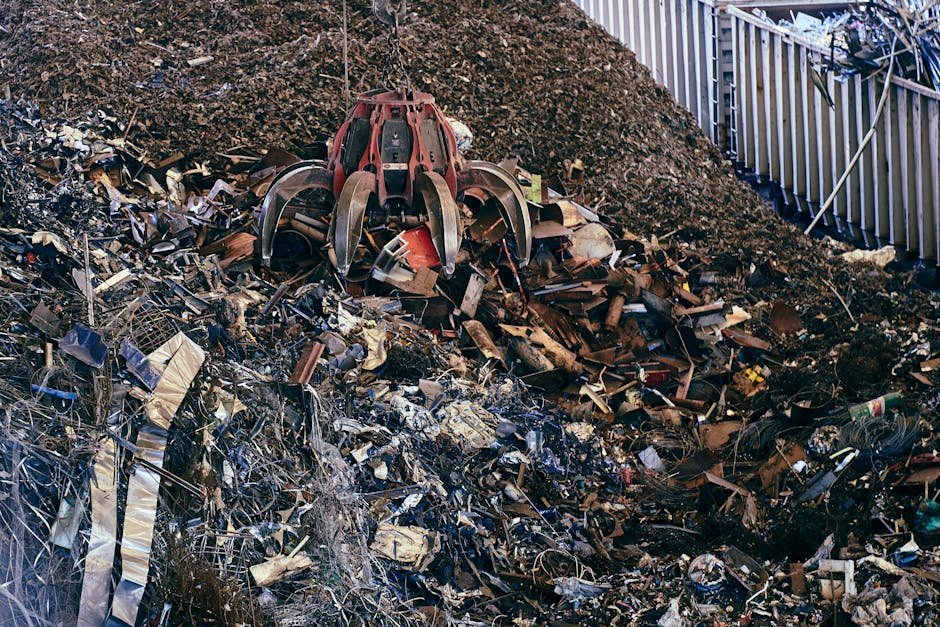

Understanding the landscape of enviro scrap metal in Australia is essential for businesses and individuals looking to contribute to a circular economy. By choosing professional recycling pathways, you are not just clearing space; you are participating in a global supply chain that transforms discarded items into high-value industrial commodities. Whether you are managing demolition waste or clearing out a residential shed, knowing how to categorize your materials is the first step toward environmental stewardship and financial gain.
The Fundamentals of Enviro Scrap Metal Recycling
At its core, the recycling of scrap metal is a highly sophisticated industrial process that minimizes the need for virgin ore extraction. When we talk about enviro scrap metal, we are referring to the systematic recovery of ferrous and non-ferrous materials. Ferrous metals, such as iron and steel, are magnetic and widely used in construction, while non-ferrous metals—like copper, aluminum, brass, and lead—are prized for their corrosion resistance and conductivity. The environmental impact of mining these raw materials is immense, involving habitat destruction and massive carbon emissions. By contrast, recycling metals requires only a fraction of the energy. For instance, recycling aluminum uses 95% less energy than producing it from raw bauxite. To get started, many users search for Scrap Metal Recycling Near Me to find local, certified facilities that adhere to strict environmental standards. These facilities are the backbone of the industry, ensuring that hazardous components are handled safely and that valuable metals are diverted from landfills.
Understanding Metal Grades and Market Valuation
To maximize your return, you must understand how recyclers grade materials. The value is determined by purity, weight, and current market demand. When you look at Scrap Metal Prices, you will notice that non-ferrous metals like copper and stainless steel command significantly higher prices than bulk ferrous scrap. High-grade copper, often referred to as ‘bright and shiny’ or ‘millberry,’ is the gold standard in the industry. Conversely, lower-grade ferrous scrap, such as rusted light iron, requires more processing and thus carries a lower market value. Enviro scrap metal recyclists emphasize the importance of sorting your loads before arrival. Mixing copper wiring with steel pipes can downgrade the entire load to the value of the cheapest material. By separating your metals by grade—clean copper, insulated wire, aluminum extrusions, and heavy steel—you ensure that you are paid accurately for the quality of the materials provided. This level of diligence is what separates professional scrap metal traders from casual collectors.
The Process: How Scrap Metal Moves Through the Supply Chain
The journey from a scrap pile to a finished industrial product is a multi-stage operation. It begins with collection, where scrap is aggregated at local depots. Once collected, the material undergoes a rigorous sorting process. Advanced facilities use magnets, eddy current separators, and X-ray fluorescence (XRF) technology to identify and sort metals with extreme precision. Following sorting, the metal is processed. This may involve shearing, shredding, or baling to make the material easier to transport and melt. Large-scale operators like sims scrap metal utilize massive shredders to turn car bodies and white goods into small, manageable pieces of ‘shred,’ which are then sent to smelters. The final stage is melting, where the processed scrap is refined into ingots or billets, ready to be manufactured into new products. This closed-loop system is the hallmark of modern sustainability. If you are looking to liquidate your collection, you can Sell Scrap Metal Near Me In 2026 by leveraging digital platforms that connect you with reputable buyers who prioritize transparent pricing and ethical handling.
Environmental Benefits: Why Recycling Matters
The environmental case for metal recycling is indisputable. Every tonne of steel recycled saves over a tonne of iron ore, 630 kg of coal, and 55 kg of limestone. Beyond the raw material savings, the reduction in water usage and the mitigation of toxic runoff from mining sites are critical for Australia’s fragile ecosystems. Professional enviro scrap metal recyclists play a vital role in preventing heavy metals like lead and mercury from entering the soil and groundwater. When you recycle your scrap, you are actively reducing the carbon footprint of the manufacturing sector. This is particularly important in the context of the global transition to a low-carbon economy, where recycled aluminum and copper are essential for the production of electric vehicles, wind turbines, and solar panels. By choosing to work with established recycling platforms found at Scrap Trade, you ensure that your materials are processed in accordance with the highest environmental regulations, supporting a cleaner future for Australia.
Practical Tips for Scrap Collection and Preparation
Preparation is the secret to success in the scrap metal industry. Before you haul your materials to a yard, take the time to clean them. Remove non-metallic attachments like plastic, rubber, or wood, as these contaminants can lower the value of your load and may even lead to rejection by the recycler. For those dealing with large demolition projects, consider renting a skip bin specifically for metal waste to keep your site clean and organized. Safety is paramount; always wear gloves and protective eyewear when handling scrap, as edges can be razor-sharp and rusted metal can pose a tetanus risk. If you are a business owner, tracking your scrap output can provide valuable insights into your operational waste and potentially identify areas for cost reduction. For more detailed information on industry standards and best practices, visit the comprehensive resources available at Scrap Trade Australia. Keeping a record of your sales and understanding the seasonal fluctuations in metal prices can also help you time your sales for maximum profitability.
The Future of Metal Recycling in Australia
As we move toward 2026 and beyond, the scrap metal industry is becoming increasingly digitized and efficient. The rise of smart logistics and AI-driven sorting technologies is making it easier than ever to track the lifecycle of metals. We are seeing a shift toward ‘urban mining,’ where cities are viewed as vast reservoirs of raw materials. This shift is crucial for Australia’s resource independence. The focus is no longer just on volume, but on the purity and traceability of recycled materials. As regulatory requirements become stricter, businesses and individuals will need to work with recyclers who can provide documentation of ethical and environmental compliance. By staying informed and engaging with the right networks, you are positioning yourself at the forefront of the circular economy. The commitment to recycling is more than just a transaction; it is a long-term investment in the sustainability of our planet. As the industry evolves, the role of the individual collector and the corporate supplier will remain central to maintaining a steady supply of recycled metals that power our modern world.
Frequently Asked Questions
To further assist you in your recycling journey, we have compiled the most common questions regarding scrap metal management. Understanding these nuances will help you navigate the market with confidence and ensure you are getting the best value for your materials while doing your part for the environment.
- What are the most valuable metals to look for? Copper, brass, and high-grade aluminum are generally the most valuable. These non-ferrous metals are in high demand for electrical, plumbing, and automotive applications.
- How do I know if my scrap is ferrous or non-ferrous? The easiest test is to use a magnet. If the magnet sticks to the metal, it is ferrous (iron or steel). If it doesn’t, it is likely non-ferrous (copper, aluminum, etc.).
- Why is it important to sort scrap metal? Sorting increases the value of your load. Recyclers pay more for clean, sorted material because it saves them the labor cost of separating it at their facility.
- Are there items that cannot be recycled as scrap? Yes, items containing hazardous materials like asbestos, radioactive waste, or sealed pressurized containers (like gas cylinders) require specialized disposal and should never be mixed with standard scrap metal.
Conclusion: Your Role in the Circular Economy
The act of recycling is a simple yet powerful way to influence the sustainability of our industrial future. By engaging with enviro scrap metal practices, you are directly contributing to the reduction of energy consumption and the preservation of finite natural resources. Whether you are a tradesperson, a construction manager, or a household recycler, your actions have a measurable impact. Use the resources provided, stay updated on market trends, and always prioritize safety and proper sorting. The path to a cleaner, more resource-efficient Australia starts with the decisions we make about our waste today. By participating in this ecosystem, you are not just managing waste; you are fueling the next generation of manufacturing and ensuring that our materials remain in use for as long as possible. Remember to verify your local scrap yard’s certifications and stay informed about the latest environmental standards to ensure your contribution is as effective as possible. Let’s work together to keep Australia green by recycling responsibly.
Frequently Asked Questions
What are the most valuable metals to look for?
Copper, brass, and high-grade aluminum are generally the most valuable. These non-ferrous metals are in high demand for electrical, plumbing, and automotive applications.
How do I know if my scrap is ferrous or non-ferrous?
The easiest test is to use a magnet. If the magnet sticks to the metal, it is ferrous (iron or steel), whereas if it does not, it is likely non-ferrous like copper or aluminum.
Why is it important to sort scrap metal?
Sorting significantly increases the value of your load. Recyclers pay more for clean, separated material because it eliminates the labor-intensive process of sorting at their facility.
Are there items that cannot be recycled as scrap?
Yes, items containing hazardous materials like asbestos, radioactive waste, or sealed pressurized containers require specialized disposal and should never be mixed with standard scrap.