
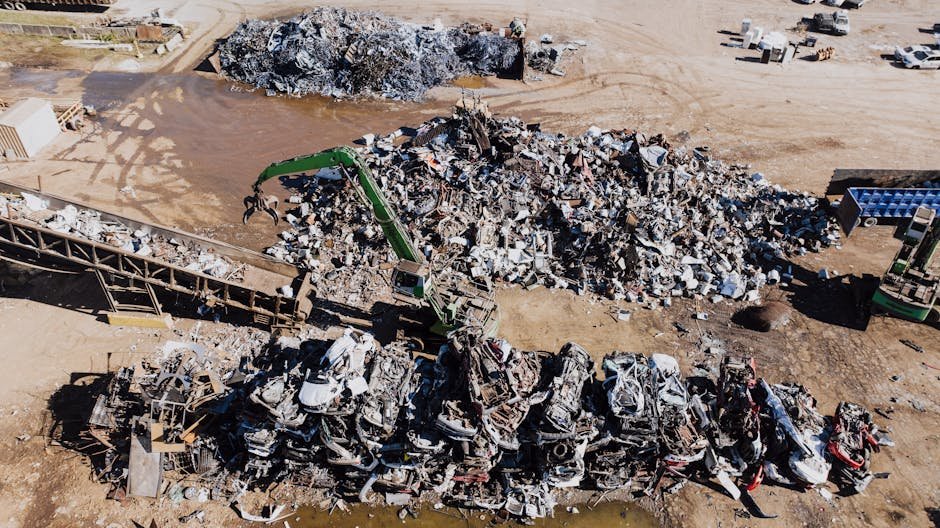

When searching for reliable waste management and resource recovery solutions in Australia, super metal recycling nsw pty ltd stands out as a key operator in the local industry. Understanding the landscape of metal reclamation is essential for businesses and individuals looking to dispose of scrap responsibly while maximizing the value of their materials. In a market that is increasingly focused on circular economy principles, companies like this play a pivotal role in diverting thousands of tonnes of metal from landfills annually.
The Role of Super Metal Recycling NSW Pty Ltd in the Circular Economy
The operational framework of super metal recycling nsw pty ltd is built upon the necessity of industrial efficiency and environmental stewardship. In the modern Australian economy, metal recycling is not merely a waste management task; it is a critical supply chain component for manufacturing and construction. By processing ferrous and non-ferrous metals, the company ensures that raw materials are reintroduced into the production cycle, reducing the energy-intensive demand for virgin ore mining.
For those seeking professional services, it is often helpful to compare regional providers. Whether you are looking for Scrap Metal Recycling Near Me or specialized industrial collection, the facility serves as a hub for both small-scale vendors and large-scale commercial contractors. The company’s ability to process complex alloys and mixed scrap highlights the technical expertise required in today’s recycling sector. By adhering to strict environmental regulations, they ensure that hazardous components are separated and handled with care, mitigating the risk of soil and water contamination.
Understanding Metal Grades and Market Valuation
To get the most out of your scrap, you must understand how facilities like super metal recycling nsw pty ltd categorize materials. Metal grading is a precise science that determines the market value of your scrap. Ferrous metals, such as iron and steel, are typically graded based on their thickness, cleanliness (absence of rust or contaminants), and preparation. Non-ferrous metals—including copper, aluminum, brass, and stainless steel—often command higher prices due to their scarcity and infinite recyclability.
If you are currently searching for Metal Recycling Near Me, it is advisable to sort your materials before arrival. Sorting your scrap into distinct categories like copper piping, aluminum extrusions, and heavy steel can significantly increase your payout. Many facilities utilize advanced X-ray fluorescence (XRF) analyzers to determine the exact composition of alloys, ensuring that you are paid accurately for the specific grade of metal you are providing. This level of transparency is a hallmark of reputable industry players.
Industrial vs. Residential Scrap Collection
The service offerings at major recycling depots are generally bifurcated into industrial and residential streams. Industrial clients often require scheduled bin services, heavy-duty machinery for site clearance, and logistical support for large-scale demolition projects. Conversely, residential clients may visit the facility with smaller loads, such as old appliances, copper wiring, or household metal waste. Understanding these distinctions helps in choosing the right partner for your specific needs.
For those located in specific regions, it is worth noting that the competitive landscape is diverse. For example, if you are looking for metal recycling campbelltown nsw, you will find various options tailored to local site requirements. However, regardless of location, the core principles remain the same: safety, efficiency, and accurate weighing. If you are a business owner, you might also be familiar with other major entities in the sector, such as the power metal trading group pty ltd, which operates within the same broader market ecosystem. Comparing services and logistics capabilities is a standard practice for procurement teams looking to optimize their waste disposal budgets.
The Importance of Core Metal Recycling
At the heart of the industry is Core Metal Recycling, which refers to the processing of high-value, high-demand metals that form the backbone of the manufacturing sector. These materials are the ‘core’ of the business because they are consistently in demand for the production of new infrastructure, automotive parts, and electronics. When you engage with a facility that focuses on these core materials, you are participating in a highly efficient supply chain that prioritizes the recovery of high-purity metals.
The process involves collection, sorting, shredding, and melting. By converting scrap into ‘ingots’ or ‘billets,’ recycling plants provide manufacturers with a standardized product that is ready for immediate use. This process is significantly more energy-efficient than refining raw ore. For instance, recycling aluminum uses approximately 95% less energy than producing primary aluminum from bauxite. This energy saving is a major driver for the industry and a key reason why government policy continues to support the growth of local recycling infrastructure.
Logistics and Site Safety Protocols
Operating a metal recycling facility requires strict adherence to safety protocols. Heavy machinery, sharp metal edges, and high-traffic areas create inherent risks. Professional facilities implement rigorous safety training for staff and clear signage for visitors. When visiting a depot, always follow the instructions of the site personnel, wear appropriate personal protective equipment (PPE), and ensure your vehicle is loaded securely to prevent spillage during transport.
Furthermore, the logistics of scrap metal involve specialized transport equipment. Hook-lift trucks, flatbed trailers, and industrial cranes are standard tools of the trade. If you are managing a large project, inquire about the availability of skip bins. Many recycling companies offer site-specific bin services, which simplify the collection process and ensure that your project site remains compliant with environmental and safety regulations. You can find more information on industry best practices by visiting the leading Australian scrap trade directory for comprehensive insights.
Future Trends in Australian Metal Recycling
The industry is currently undergoing a digital transformation. From automated sorting technologies using AI-driven optical sensors to blockchain-based tracking of material provenance, the future of recycling is high-tech. These advancements allow for higher purity levels in recycled output, which in turn increases the value of the materials. As a consumer or business owner, staying informed about these trends can help you make better decisions regarding your waste disposal.
Another significant trend is the focus on ‘urban mining.’ This concept treats cities as vast repositories of valuable metals, encouraging the systematic recovery of materials from end-of-life buildings and infrastructure. By viewing scrap not as waste but as a resource, companies are helping to build a more sustainable future. For those who want to stay updated on the latest developments, the official scrap trade portal provides ongoing updates and news regarding market fluctuations and regulatory changes in the Australian recycling sector.
Environmental Impact and Regulatory Compliance
Environmental compliance is non-negotiable for modern recycling firms. In New South Wales, the Environment Protection Authority (EPA) sets stringent guidelines for the storage, processing, and disposal of scrap materials. This includes managing runoff, preventing noise pollution, and ensuring that any hazardous waste—such as lead-acid batteries or refrigerant gases—is handled by licensed professionals. Choosing a compliant recycler ensures that you are not indirectly contributing to environmental damage.
Furthermore, the economic impact of recycling is significant. By keeping materials within the local economy, recycling facilities support jobs in logistics, engineering, and manufacturing. They also reduce the national reliance on imported raw materials, which can be subject to volatile global market conditions. When you choose to recycle your metal, you are contributing to a more robust and self-sufficient Australian economy.
Practical Tips for Maximizing Your Scrap Value
To maximize the value of your scrap, consider these practical tips: First, always separate your metals by type. Mixing copper with steel will often result in the entire load being graded as a lower-value ‘mixed’ category. Second, clean your scrap. Removing plastic, rubber, or wood attachments from metal parts can significantly improve the grade. Third, keep an eye on market prices. Metal markets fluctuate daily based on global supply and demand, much like the stock market.
Additionally, build a relationship with your local yard. Regular suppliers often receive better service, more flexible bin options, and sometimes even preferential pricing. Always keep your receipts and documentation, as these are essential for tax purposes and for proving that your waste has been disposed of through a legitimate, environmentally friendly channel. By following these steps, you transform the act of disposing of scrap into a profitable and environmentally responsible business practice.
Conclusion
Engaging with a professional facility ensures that your metal waste is handled with the highest standards of safety, environmental care, and economic efficiency. Whether you are an industrial contractor managing a major site or a homeowner clearing out a garage, the principles of responsible recycling remain the same. By choosing to work with established entities, you contribute to a sustainable future where resources are valued and reused. As the industry continues to evolve through technology and better regulation, the role of recycling will only become more critical to the Australian landscape. Remember to stay informed, sort your materials, and leverage the expertise of professionals to make the most of your scrap metal assets.
Frequently Asked Questions
What types of metals does the facility accept?
Most professional recycling facilities accept both ferrous metals like steel and iron, and non-ferrous metals such as copper, aluminum, brass, and stainless steel. It is always best to call ahead to confirm if they accept specific items like batteries or e-waste.
How is the price of scrap metal determined?
Scrap metal prices are determined by global market demand, the purity of the metal, and the current grade of the material. Prices fluctuate daily, so it is recommended to check current market rates before visiting a yard.
Do I need to clean my scrap metal before bringing it in?
Yes, cleaning your scrap by removing non-metal attachments like plastic, wood, or insulation will significantly increase the value of your load. Clean, sorted metal is much easier to process and is therefore more valuable to the recycler.
Are there environmental regulations for scrap metal recycling?
Yes, recycling facilities in Australia must adhere to strict state-based environmental regulations, such as those enforced by the NSW EPA. These regulations cover site runoff, hazardous material handling, and noise control to protect the surrounding environment.