
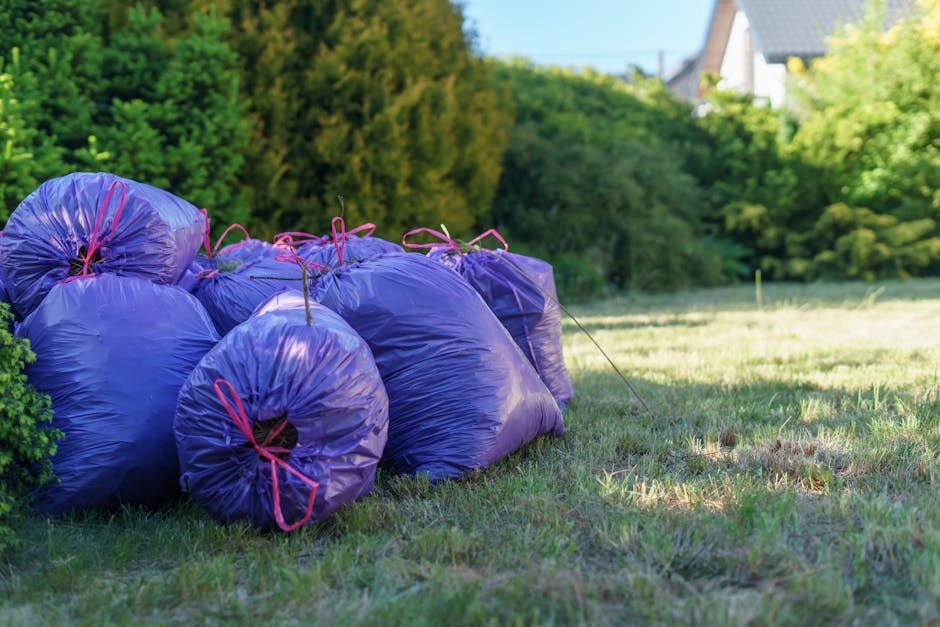

When it comes to yard waste management Singleton, the approach taken by property owners and industrial operators significantly impacts both the local environment and the bottom line. Whether you are clearing out a residential shed or managing industrial site debris, understanding the lifecycle of your waste is essential. Effective waste management isn’t just about disposal; it’s about resource recovery. By recognizing the value in discarded materials, you can transform what looks like junk into a sustainable income stream. For those looking to optimize their operations, understanding Scrap Waste Efficient Management Recycling And Profit Opportunities is the first step toward professional-grade waste handling.
Understanding the Scope of Yard Waste in Singleton
Singleton, situated in the heart of the Hunter Valley, is a region defined by its industrial prowess and expansive residential properties. Consequently, the volume of waste generated—ranging from garden green waste to heavy ferrous and non-ferrous metals—is substantial. Proper yard waste management Singleton requires a clear distinction between organic compostable materials and recyclable metallic scrap. Many residents mistakenly lump all yard debris together, leading to unnecessary landfill usage. Instead, by identifying recyclable metals such as copper, aluminum, brass, and steel, you contribute to a circular economy. A professional metal recycler can assist in categorizing these materials, ensuring that hazardous or non-recyclable items are handled according to EPA standards while valuable metals are diverted back into the manufacturing supply chain.
The Economic Benefits of Professional Metal Recycling
Beyond the environmental imperative, there is a tangible financial incentive to managing your yard waste correctly. When you treat your scrap as a commodity rather than trash, you open doors to significant profit margins. If you are searching for a Metal Scrap Yard Near Me, you are likely looking for a facility that offers competitive market rates for your metals. The price of scrap fluctuates based on global demand, and a reputable recycling depot will provide transparent pricing. By separating your metals—such as stripping copper wire or sorting clean aluminum from dirty alloys—you maximize the value of your haul. This is a practice common in larger hubs like the scrap yard minto, where high-volume recycling is optimized for maximum efficiency. Whether you are an individual or a business, treating your yard as a resource site is a smart fiscal strategy.
Logistics and Accessibility: Walk-in Services
For many in the Singleton area, the ease of disposal is a primary concern. The availability of walk-in services at a local recycling facility makes the process seamless. You don’t need to be a commercial contractor to benefit from professional recycling; local yards are increasingly geared toward the public. When you arrive at a scrap metal trading platform, you are greeted with professional weighing scales and expert advice on material grading. This accessibility ensures that even small quantities of scrap, such as old fencing, rusted tools, or appliance parts, can be processed responsibly. If you are dealing with more complex items, such as outdated electronics, you might need to consult an E Waste Group to ensure that circuit boards and hazardous components are extracted safely without leaching toxic materials into the local soil.
Environmental Compliance and Sustainability
Singleton’s landscape is precious, and responsible waste management is the cornerstone of preserving it. Illegal dumping or improper storage of metallic waste can lead to soil contamination and water runoff issues. By adhering to a strict yard waste management Singleton plan, you ensure that your property remains compliant with local council regulations. A professional metal junk yard will have the necessary equipment to prevent oil leaks from scrap machinery and will manage the storage of batteries and chemicals in specialized containment areas. This level of diligence protects the Hunter Valley’s ecosystem while ensuring that you, as a landowner, avoid potential fines associated with environmental non-compliance. Utilizing the services of a professional Australian scrap trading network ensures that every piece of metal is accounted for and processed through certified channels.
Practical Tips for Sorting and Preparing Scrap
Efficiency in recycling begins before you even leave your property. To make the most of your trip to the recycling depot, follow these practical steps: 1. Categorize by Metal Type: Use magnets to distinguish between ferrous (iron-based) and non-ferrous (copper, brass, aluminum) metals. Non-ferrous metals typically command a higher price. 2. Clean Your Materials: Remove excessive plastic, wood, or insulation from metal parts. A ‘clean’ load is processed faster and often fetches a higher price than a ‘dirty’ load full of contaminants. 3. Safety First: Wear gloves and eye protection when handling scrap. Sharp edges and rusted surfaces are common hazards. 4. Bulk Up: If possible, accumulate a significant amount of scrap before making the trip to the yard. This saves on fuel and time, making your recycling efforts more profitable. By adopting these habits, you move from being a casual recycler to an expert in the field, turning your backyard cleanup into a streamlined industrial operation.
The Role of Technology in Modern Scrap Trading
The scrap industry has evolved from simple manual weighing to high-tech grading and tracking. Modern facilities use X-ray fluorescence (XRF) analyzers to instantly determine the chemical composition of metal alloys. This technology ensures that you receive an accurate quote based on the exact quality of your material. As the industry moves toward greater transparency, digital platforms are allowing users to track market trends and find the best times to sell. This digital integration is vital for those who treat recycling as a business. Whether you are managing a large-scale industrial site or a residential project, leveraging digital tools and expert advice from established recyclers will always yield better results than traditional, unorganized disposal methods.
Future-Proofing Your Waste Management Strategy
As Singleton continues to grow, the demand for sustainable waste solutions will only increase. Future-proofing your property means integrating recycling into your daily operations. This could involve setting up dedicated collection bins for different metal types, establishing a relationship with a local recycling partner, and staying informed about changes in environmental legislation. By viewing your yard waste not as a burden but as a potential asset, you contribute to a more sustainable future for the entire Hunter Valley region. Remember that every kilogram of metal recycled is a kilogram that doesn’t need to be mined from the earth, saving energy and reducing the carbon footprint of the manufacturing sector. Start small, stay consistent, and turn your scrap into a sustainable success story.
Related: metal junk yard
Frequently Asked Questions
What is the difference between ferrous and non-ferrous metals?
Ferrous metals contain iron and are typically magnetic, such as steel and iron. Non-ferrous metals, like copper, aluminum, and brass, do not contain iron, are non-magnetic, and generally have a higher market value due to their durability and resistance to corrosion.
How can I maximize the profit from my scrap metal?
To maximize profit, always sort your metals by type and remove any non-metallic attachments like plastic or wood. Clean, sorted scrap is easier for the recycler to process and will command a higher price than mixed, contaminated loads.
Are there specific items I should not bring to a scrap yard?
Yes, you should avoid bringing hazardous materials such as pressurized gas cylinders, radioactive materials, or items containing asbestos. Always check with your local recycling depot regarding their specific acceptance policies before transporting large or unusual loads.
Why is it important to use a certified metal recycler?
Certified recyclers follow strict environmental and safety regulations, ensuring that hazardous materials are handled correctly and that your scrap is processed in a way that minimizes environmental impact. This also ensures you are paid accurately based on regulated market rates.