
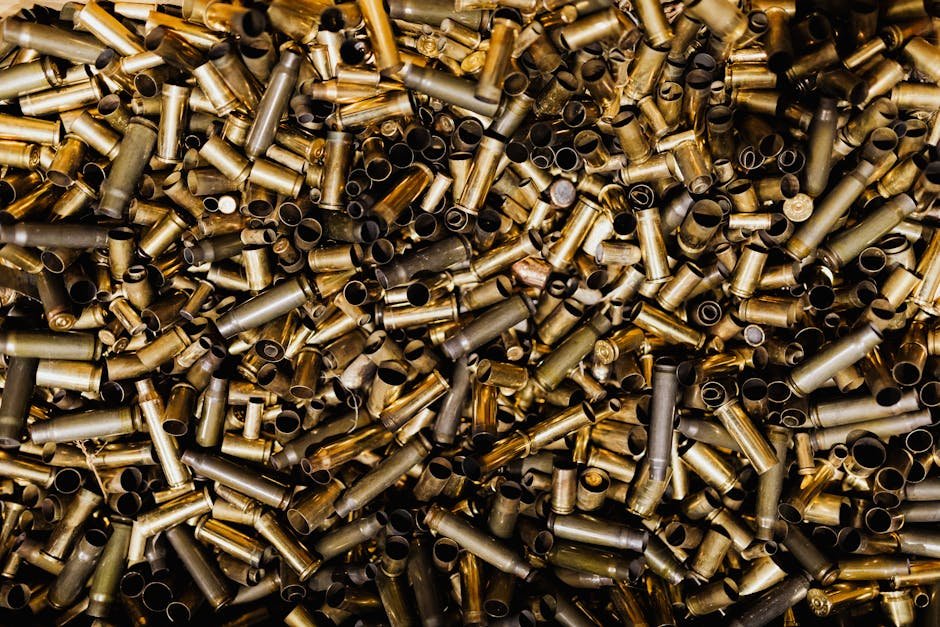

When searching for reliable brass recyclers Artarmon, it is crucial to understand that the quality of your scrap directly influences the value you receive. Brass is a high-value copper-zinc alloy that remains one of the most sought-after materials in the circular economy due to its infinite recyclability without loss of properties.
The Role of Brass Recyclers Artarmon in the Local Economy
The industrial landscape of Sydney’s Lower North Shore relies heavily on efficient waste management systems. As a hub for commercial activity, businesses in this region often find themselves with significant quantities of brass fittings and brass pipe. Engaging with professional brass recyclers Artarmon ensures that these materials do not end up in general waste streams, which is both environmentally irresponsible and economically inefficient.
Recycling centers play a pivotal role in the supply chain by bridging the gap between industrial waste producers and smelters. By utilizing services like artarmon brass recyclers, local contractors and tradespeople can ensure their scrap is weighed accurately and processed according to international standards. This process often involves rigorous sorting, where experts distinguish between various grades, such as yellow brass, red brass, and contaminated alloys. For those looking to understand the financial side of the industry, checking the 1 Kg Brass Price In Australia is the first step toward ensuring you are receiving fair market value for your materials.
Understanding the Brass Recycling Process
The journey from a discarded brass valve to a new component is a sophisticated industrial process. Once materials arrive at a recycling centre, they undergo a multi-stage transformation. First, the scrap is inspected for contaminants like steel screws, plastic, or rubber gaskets. Removing these impurities is essential because even small amounts of iron can compromise the integrity of a new batch of molten brass.
After cleaning, the brass is shredded into smaller pieces to facilitate easier melting and magnetic separation. Powerful magnets are used to pull out any ferrous metals that were missed during manual sorting. The remaining clean brass is then melted in high-temperature furnaces. During this stage, alloying elements may be adjusted to meet specific industrial requirements. Finally, the molten metal is cast into ingots or billets, which are sold back to manufacturers to create new products. Understanding this lifecycle is why many businesses research How Recyclers Find Industrial Scrap Sellers to build long-term, sustainable partnerships.
Drop-off vs. Pickup Service: Choosing the Right Logistics
For businesses generating high volumes of scrap, the logistics of transport can be a significant hurdle. Most recycling facilities offer two primary methods of collection: a dedicated drop-off or a professional pickup service.
A drop-off is often the most cost-effective solution for smaller loads or tradespeople who are already operating in the Artarmon area. By bringing your scrap directly to the facility, you can often witness the weighing process, providing transparency and instant payment. Conversely, a pickup service is ideal for large-scale demolition projects or industrial sites that generate heavy volumes of brass pipe and fittings. Scheduling a pickup allows for the use of specialized skip bins or flatbed trucks, saving your team time and labor costs. Whether you are dealing with small quantities or massive industrial hauls, it is important to choose a partner that offers flexible logistics. For those managing global operations, understanding How To Sell Bulk Brass Scrap Internationally can provide additional avenues for maximizing profit on large-scale exports.
The Environmental Benefit of Recycling Brass
The environmental benefit of recycling brass is profound. Brass production from virgin ore is an energy-intensive process that involves mining, crushing, and smelting, all of which have a heavy carbon footprint. By contrast, recycling brass uses approximately 85% less energy than producing it from raw materials. This significant reduction in energy consumption translates directly into lower greenhouse gas emissions.
Furthermore, recycling preserves natural resources. Copper and zinc, the primary components of brass, are finite resources. Every tonne of brass recycled is a tonne that does not need to be extracted from the earth. When you choose to use professional scrap metal services, you are contributing to a circular economy that keeps materials in use for decades, if not centuries. This is particularly relevant in the construction industry, where durable brass fittings are frequently replaced during renovations. By diverting these materials from landfills, we prevent the leaching of heavy metals into the soil and groundwater, protecting local ecosystems.
Maximizing Your Returns: Tips for Sellers
To maximize the return on your scrap metal, preparation is key. The most successful sellers treat their scrap as a valuable commodity rather than waste. Start by separating your metals; brass should never be mixed with steel, aluminum, or copper. While some facilities may accept mixed loads, you will almost always receive a higher price per kilogram for clean, sorted materials.
Keep an eye on the market. The value of brass fluctuates based on global supply and demand, currency exchange rates, and manufacturing activity. If you have a large inventory, consider storing it until prices are favorable. Additionally, build a relationship with your local recycling facility. Regular sellers often gain access to better pricing tiers and priority service. If your business is also dealing with other non-ferrous metals, you might find it beneficial to connect with artarmon copper recyclers to consolidate your scrap management strategy. Always ensure your scrap is free of excessive paint, grease, and non-metallic attachments, as these contaminants reduce the final weight and value of your load.
The Future of Metal Recycling in Sydney
The future of the scrap metal industry is increasingly digital and transparent. New technologies are allowing recyclers to better track the origin and composition of scrap, ensuring higher quality output for manufacturers. As sustainability becomes a core pillar of corporate social responsibility in Australia, businesses are under more pressure than ever to demonstrate ethical disposal practices. Utilizing a reputable scrap metal trading platform can help you stay informed about industry trends, pricing, and regulatory compliance.
As urban development in Sydney continues to expand, the demand for brass in construction and plumbing will remain high. This creates a stable market for those involved in the recycling sector. By staying informed and working with professional recyclers, you can turn your waste management costs into a revenue stream while supporting the transition toward a more sustainable, resource-efficient future for Australia.
Comprehensive FAQ for Brass Sellers
What is the difference between yellow brass and red brass? Yellow brass typically contains a higher zinc content, giving it a golden-yellow appearance, and is commonly found in plumbing fixtures. Red brass has a higher copper content, resulting in a reddish hue, and is often used for heavy-duty valves and pumps; it generally commands a higher price.
How should I prepare my brass scrap for recycling? For the best price, remove all non-metallic components such as rubber washers, plastic handles, or steel screws. Keeping your brass clean and sorted by grade will significantly increase your payout at the recycling centre.
Is there a minimum weight for a pickup service? Most recycling facilities have a minimum weight requirement for pickups to ensure the logistics are cost-effective. It is best to call your local recycler in advance to discuss the volume of your scrap and determine if a pickup is the most efficient option.
How often do brass prices change? Brass prices are influenced by global commodity markets and can fluctuate daily. It is recommended to check the current market rates on the day you intend to sell to ensure you have an accurate expectation of the value of your scrap.
Frequently Asked Questions
What is the difference between yellow brass and red brass?
Yellow brass typically contains a higher zinc content, giving it a golden-yellow appearance, and is commonly found in plumbing fixtures. Red brass has a higher copper content, resulting in a reddish hue, and is often used for heavy-duty valves and pumps; it generally commands a higher price.
How should I prepare my brass scrap for recycling?
For the best price, remove all non-metallic components such as rubber washers, plastic handles, or steel screws. Keeping your brass clean and sorted by grade will significantly increase your payout at the recycling centre.
Is there a minimum weight for a pickup service?
Most recycling facilities have a minimum weight requirement for pickups to ensure the logistics are cost-effective. It is best to call your local recycler in advance to discuss the volume of your scrap and determine if a pickup is the most efficient option.
How often do brass prices change?
Brass prices are influenced by global commodity markets and can fluctuate daily. It is recommended to check the current market rates on the day you intend to sell to ensure you have an accurate expectation of the value of your scrap.