
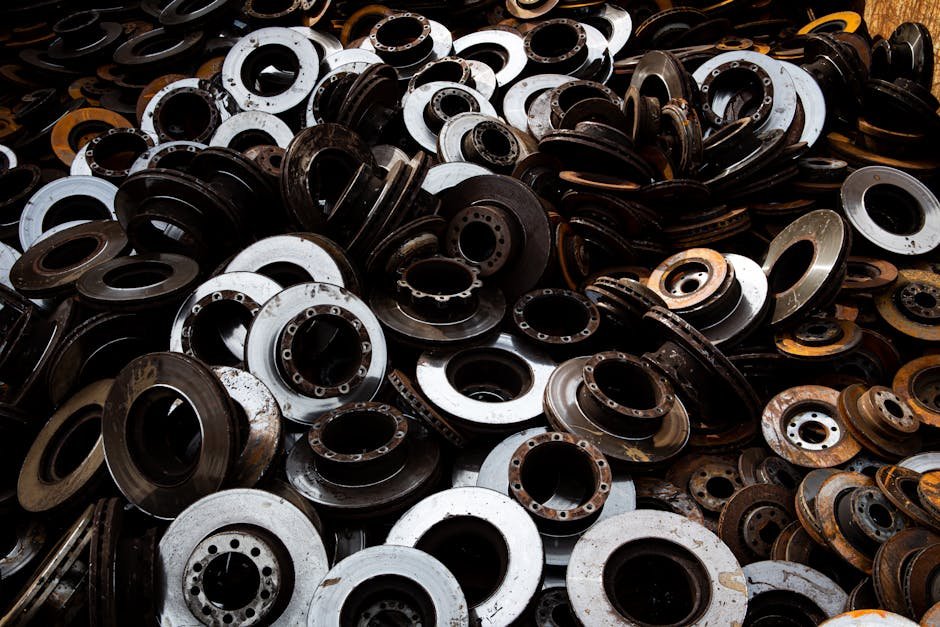

Non Ferrous Scrap Buyer Ingleburn: The Ultimate Industry Guide
If you are searching for a reputable non ferrous scrap buyer Ingleburn, you have likely realized that the recycling industry is far more complex than simple collection and disposal. Whether you are an industrial manufacturer, a demolition contractor, or a local tradesperson, understanding the nuances of the metal trade is essential for maximizing your profit margins and ensuring environmental compliance. As a premier hub for industrial activity in Sydney’s southwest, Ingleburn offers unique opportunities for those looking to offload high-value materials like copper, aluminium, brass, and stainless steel. Navigating this market requires knowledge of global commodity trends, local logistics, and the specific requirements of trusted dealers.
Understanding the Non-Ferrous Metal Market
Non-ferrous metals—those that do not contain iron—are the lifeblood of the modern circular economy. Unlike ferrous metals, which are prized for their strength and magnetic properties, non-ferrous metals are valued for their resistance to corrosion, high electrical conductivity, and lightweight nature. When you engage a non ferrous scrap buyer Ingleburn, you are participating in a global supply chain that feeds everything from aerospace manufacturing to consumer electronics production.
The value of your scrap is dictated by the London Metal Exchange (LME). Because these materials are infinitely recyclable without losing their chemical properties, they are considered high-value commodities. To get the best results, it is vital to understand the non ferrous scrap recycling market, which fluctuates based on supply chain disruptions, energy costs, and industrial demand. For a deeper dive into the mechanics of the trade, you can read our comprehensive resource: Non Ferrous Scrap A Complete Guide For Traders And Recyclers.
How to Identify a Trusted Metal Buyer in Ingleburn
Finding a partner you can trust is the most critical step in the recycling process. A professional non ferrous scrap buyer Ingleburn will prioritize transparency in every transaction. When looking for where to find the right facility, consider the following checklist:
- Certified Weighing Equipment: Ensure the facility uses calibrated, trade-certified scales so you are paid for the exact weight of your material.
- Market-Linked Pricing: A reliable buyer will be able to explain how their pricing correlates with current LME spot prices.
- Environmental Compliance: Trusted dealers operate under strict EPA guidelines, ensuring that hazardous materials are handled safely and that no toxic runoff enters the local Ingleburn ecosystem.
- Logistical Support: If you are moving large volumes, look for a buyer that offers bin services, site pickups, or specialized transport solutions.
By choosing a partner that values long-term relationships over one-off transactions, you ensure that your business remains profitable and sustainable. For those managing large-scale industrial projects, you might also require services beyond local non-ferrous collection, such as those detailed in our Heavy Steel Scrap Buyer Sydney Melbourne Brisbane Perth guide.
The Process: From Collection to Commodity
The recycling process is a sophisticated operation that transforms discarded items into raw material feedstock. Once you deliver your scrap to a buyer, the material undergoes a rigorous verification process. First, the metal is inspected for contamination—this is the most important factor in determining your payout. For example, copper wiring that is still encased in plastic insulation is graded differently than clean, stripped copper wire.
After sorting, the metal is often shredded or sheared to reduce its volume for transport. In some cases, it may be melted down into ingots or billets at a foundry. This secondary production process uses significantly less energy than extracting virgin ore from the earth. When you sell to a non ferrous scrap buyer Ingleburn, you are directly contributing to a reduction in carbon emissions and preserving natural resources. For those dealing in maritime or large-scale demolition materials, understanding the international context is crucial; refer to our Shipbreaking Scrap Sales Global Buyer Guide for further details.
Grading Your Scrap: How to Maximize Returns
To maximize the value of your scrap, you must understand how to segregate your materials. Mixing metals is the fastest way to lower your payout, as the buyer will often grade the entire batch at the value of the lowest-quality metal present. Here is a breakdown of common non-ferrous grades:
- Copper: Categorized by cleanliness (e.g., #1 Bright and Shiny vs. #2 Burnt or Insulated).
- Aluminium: Separated into categories like extrusion, sheet, cast, and turnings.
- Brass/Bronze: Usually sorted by the percentage of copper content.
- Stainless Steel: Graded based on the nickel and chrome content (e.g., 304 vs. 316 grade).
If you are unsure about what you have, a professional non-ferrous scrap buyer will be able to provide an on-site assessment. It is always better to ask for an inspection before dumping your load, as proper sorting can often increase your profit by 20% or more.
Environmental Benefits and Sustainability
The environmental impact of recycling non-ferrous metals cannot be overstated. When we recycle aluminium, for instance, we use approximately 95% less energy than producing it from bauxite ore. By sourcing local partners in Ingleburn, you are also reducing the carbon footprint associated with the transport of heavy materials. The non ferrous scrap recycling market is a primary driver in the global transition toward a circular economy. By choosing to recycle rather than send materials to landfill, you are preventing heavy metals from leaching into the soil and groundwater, protecting the local environment for future generations.
Practical Tips for Industrial Sellers
If you are a business owner in Ingleburn, you need to treat your scrap as a revenue stream rather than a waste disposal expense. Start by implementing a “source segregation” policy within your facility. By providing clearly labeled bins for different metal types at the point of generation, you eliminate the need for manual sorting later. Partnering with a reputable scrap trading platform can help you stay updated on daily price trends, ensuring you sell at the peak of the market. Furthermore, ensure you keep detailed records of your sales for tax and environmental reporting purposes. If you are looking for a digital solution to manage your scrap inventory and sales, visit Scrap Trade Australia to connect with a network of verified buyers and sellers.
The Future of Metal Recycling in Australia
The industry is currently undergoing a digital transformation. With the rise of advanced sorting technologies—such as X-ray fluorescence (XRF) and automated optical sorting—the accuracy of metal grading is at an all-time high. This means that as a seller, you can expect more precise valuations than ever before. As global demand for high-purity recycled metals continues to grow, the role of the local non ferrous scrap buyer Ingleburn will only become more vital. Staying ahead of these technological shifts will ensure that your business remains competitive in an increasingly complex global market.
Why Ingleburn is a Strategic Location
Ingleburn’s proximity to major transport corridors like the M5 and M7 motorways makes it an ideal hub for the scrap metal trade. This accessibility allows for efficient logistics, which is a key factor in keeping overhead costs low for both the buyer and the seller. When you choose a local buyer, you are tapping into a network that understands the specific industrial needs of the Macarthur region. Whether you are dealing with large volumes of factory offcuts or smaller quantities of trade scrap, the local infrastructure supports rapid turnaround times, ensuring you get paid faster and your site stays clear of clutter.
Maintaining Safety and Compliance
Safety is non-negotiable in the scrap metal industry. When delivering materials to a non ferrous scrap buyer Ingleburn, always wear appropriate personal protective equipment (PPE), including high-visibility vests, steel-capped boots, and gloves. Be aware of the risks associated with handling sharp edges, heavy loads, and potentially hazardous residues. A professional facility will have clear signage and designated drop-off zones to ensure the safety of both their staff and their customers. Never attempt to sell materials that may contain pressurized cylinders, radioactive components, or hazardous chemicals, as these are strictly regulated and can lead to significant legal penalties.
Conclusion
The scrap metal industry is a cornerstone of industrial efficiency and environmental stewardship. By understanding the grades of your materials, choosing a trusted partner, and staying informed about market trends, you can turn your waste into a significant asset. Whether you are a small-scale recycler or a large industrial entity, the path to success lies in professional collaboration and informed decision-making. By utilizing the resources available at Scrap Trade, you can ensure that you are always getting the best value for your non-ferrous scrap. Remember, the market rewards those who take the time to prepare their materials correctly and work with reputable, transparent buyers. As you continue your journey in the recycling sector, keep these principles in mind to maximize your returns and contribute to a more sustainable future.
Frequently Asked Questions
What is the most valuable non-ferrous metal to recycle?
Copper is generally the most valuable non-ferrous metal due to its high demand in electrical and plumbing industries. However, the exact value depends on the grade, such as whether the copper is clean, stripped, or insulated.
How can I get the best price for my scrap metal?
To get the best price, always sort your metals by type and grade before arriving at the yard. Clean your scrap of any non-metal contaminants like plastic, rubber, or wood, as these will lower the value of your load.
Do I need an appointment to drop off scrap metal in Ingleburn?
While many scrap yards accept walk-ins, it is highly recommended to call ahead if you have a large commercial load. This allows the yard to prepare the necessary equipment and staff to process your material efficiently.
What documentation do I need to sell scrap metal?
In Australia, most scrap buyers require a valid photo ID (such as a driver’s license) to comply with anti-theft and anti-money laundering regulations. Some yards may also require an ABN for commercial transactions.