
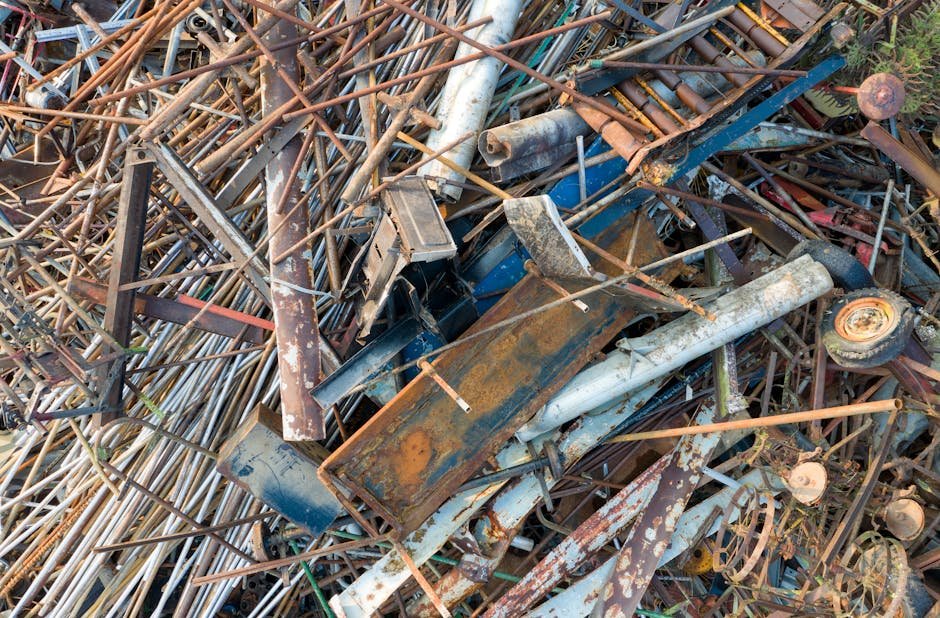

Navigating the landscape of scrap metal western sydney requires a deep understanding of market fluctuations, material grading, and the logistical requirements of a major industrial hub. As the manufacturing and construction heart of New South Wales, the Western Sydney region generates a massive volume of recyclable metallic waste annually. Whether you are a trade contractor, a demolition firm, or a household resident, understanding how to manage your scrap effectively is key to both environmental stewardship and financial gain. If you are looking to maximize your returns, it is essential to stay updated on current scrap metal prices sydney, which can vary based on global commodity demand and local processing capacity.
Understanding Metal Grades: Ferrous vs. Non-Ferrous
To engage successfully in the scrap industry, one must first distinguish between the two primary categories of metal: ferrous and non-ferrous. Ferrous metals, which contain iron, are magnetic and generally include steel, iron, and cast iron. These are the workhorses of the construction industry in Greater Sydney, found in everything from structural beams to old appliances. Because of their abundance, they are typically traded in higher volumes but at lower price points per kilogram compared to their non-ferrous counterparts.
Non-ferrous metals, on the other hand, are non-magnetic and include high-value materials like copper, aluminum, lead, zinc, and brass. These metals are highly sought after because they can be recycled indefinitely without losing their chemical properties. Copper, for instance, is a critical component in electrical infrastructure, and its value is often tied to the health of the construction sector across the North Shore and the wider Sydney metropolitan area. When you decide to Sell Scrap Metal Near Me In 2026, separating your ferrous from your non-ferrous items is the single most effective way to ensure you receive the highest possible payout.
Sorting your scrap is not just about profit; it is about efficiency in the recycling chain. When scrap yards receive pre-sorted loads, the processing time is reduced, allowing for faster turnaround and better service. If you are unsure about the grade of your materials, consulting with an industry leader like e-planet scrap metal sydney can provide the clarity needed to categorize your haul correctly. Remember, contamination—such as plastic coatings on copper wire or steel bolts attached to aluminum frames—can significantly downgrade the value of your scrap.
The Scrap Metal Recycling Process in Greater Sydney
The journey of a piece of scrap metal from a demolition site in Western Sydney to a new product is a sophisticated industrial process. Once the material is collected, it undergoes a multi-stage transformation. The first step is identification and sorting, often using advanced technologies like X-ray fluorescence (XRF) analyzers to determine the exact chemical composition of the metal. This ensures that alloys are not mixed, which would otherwise compromise the quality of the final recycled product.
Following sorting, the metals are processed through shredders, shears, or hydraulic balers. Shredding breaks the metal into small, manageable pieces, which makes it easier to remove contaminants like paint, dirt, or insulation. This is where the expertise of a professional Scrap Metal Recycling Near Me facility becomes apparent. By utilizing high-capacity machinery, these facilities can process tons of material, preparing it for the melting furnace. The goal is to produce “feedstock” that meets the strict metallurgical specifications required by steel mills and foundries.
The final stage is melting and purification. The processed scrap is fed into massive furnaces where it is melted down into molten metal. During this phase, any remaining impurities are skimmed off the top. The molten metal is then cast into ingots, billets, or rods, which serve as the raw material for manufacturers. This closed-loop system is the backbone of the circular economy in Australia, proving that scrap metal western sydney is not just waste, but a valuable resource waiting to be reborn.
Environmental Benefits of Recycling Scrap Metal
The environmental impact of recycling scrap metal is profound. Mining for virgin ores is an energy-intensive process that involves massive land disruption, habitat destruction, and significant greenhouse gas emissions. In contrast, recycling metal requires a fraction of the energy. For example, producing aluminum from recycled scrap consumes approximately 95% less energy than producing it from bauxite ore. By choosing to recycle, the industry in New South Wales significantly lowers its carbon footprint.
Furthermore, recycling helps to preserve the natural landscape of Australia. Mining operations are often located in ecologically sensitive areas; by increasing the supply of secondary metals, we reduce the pressure to expand these mines. Water usage is another critical factor. The refining of raw ores requires millions of liters of water, while recycling processes are significantly more water-efficient. When you utilize a professional scrap metal trading platform, you are contributing directly to a more sustainable future.
The reduction in landfill waste is perhaps the most immediate benefit for local councils. Metals that end up in landfills take hundreds of years to degrade and can leach harmful chemicals into the soil and groundwater. By diverting these materials into the recycling stream, we protect the local ecosystems of Western Sydney and ensure that our urban environment remains clean and healthy for future generations. It is a win-win scenario where economic incentive aligns perfectly with environmental responsibility.
How to Get the Best Scrap Metal Prices
If you are looking for the best Scrap Metal Prices, timing and preparation are everything. Market prices for commodities like copper, aluminum, and steel are influenced by global supply and demand, currency exchange rates, and even geopolitical events. While you cannot control the global market, you can control how you present your scrap. Clean, sorted, and high-quality materials will always command a premium compared to mixed, dirty, or contaminated loads.
Preparation tips for maximizing your returns:
- Remove non-metallic attachments: Take the time to strip plastic, rubber, or wood from your metal.
- Sort by alloy: Keep different grades of aluminum separate from copper or brass.
- Volume matters: Larger, consistent loads are often more attractive to buyers than small, sporadic drops.
- Stay informed: Use reputable scrap metal trading resources to track market trends so you know when to sell.
It is also worth noting that logistics play a role in your bottom line. If you have a large quantity of scrap, the cost of transport can eat into your profits. Many yards in Western Sydney offer bin services or pick-up options for commercial clients. Assessing whether your volume justifies a pick-up service versus self-delivery is a practical step that every business owner should take to optimize their logistics costs.
The Role of Technology in Modern Scrap Trading
The scrap metal industry is undergoing a digital transformation. Gone are the days of relying solely on word-of-mouth or physical signage to find a buyer. Today, digital platforms are revolutionizing how scrap metal western sydney is traded. These platforms provide real-time pricing data, transparent transaction histories, and streamlined logistics, making it easier than ever for sellers to connect with the right buyers. This transparency is crucial for building trust in an industry that has historically been opaque.
Advanced software is also helping yards manage their inventory more effectively. By tracking the flow of materials in real-time, facilities can optimize their yard space and ensure that they are meeting the demands of the mills they supply. For the seller, this means faster payments and more reliable service. As we move toward 2026, we expect to see even more integration of blockchain and IoT (Internet of Things) technology to track the provenance of recycled metals, ensuring that the materials are sourced ethically and sustainably.
This technological shift also empowers the individual. Whether you are a tradesperson or a homeowner, you now have access to the same information as the professionals. You can compare rates, read reviews of local yards, and schedule pick-ups with a few clicks. This democratization of the scrap market is driving competition, which in turn leads to better service and fairer prices for everyone involved in the recycling ecosystem.
Best Practices for Safety and Compliance
Handling scrap metal involves inherent risks, including sharp edges, heavy lifting, and exposure to hazardous materials. Safety must always be the priority. When collecting and transporting scrap, ensure that you are using appropriate personal protective equipment (PPE), such as heavy-duty gloves and steel-toed boots. If you are handling large quantities of scrap, ensure your vehicle is properly loaded and secured to prevent accidents during transit.
Compliance with local regulations is equally important. New South Wales has strict laws regarding the handling and disposal of hazardous waste. Certain items, such as lead-acid batteries, old electrical transformers, or pressurized gas cylinders, require specialized handling. Never attempt to dismantle items that may contain hazardous substances without proper training and equipment. Reputable scrap yards in Western Sydney will have established protocols for managing these items safely and in accordance with environmental regulations.
Finally, always ensure that you are dealing with licensed and reputable operators. A legitimate scrap metal dealer will be transparent about their pricing, provide clear documentation for your transactions, and operate within the legal framework of the state. Avoid “cash-in-hand” operators who do not provide receipts or records, as these are often indicators of non-compliant practices that could eventually lead to legal or financial complications for you as the seller.
Building a Sustainable Future in Western Sydney
The future of the scrap metal industry in Western Sydney is bright, driven by a growing awareness of the need for circularity and sustainable industrial practices. As the region continues to grow, the demand for both raw and recycled materials will increase. By embracing efficient recycling habits today, we are securing a more stable and resource-efficient economy for tomorrow. The transition to a circular economy is not just a government initiative; it is a collective effort that starts with every individual and business that chooses to recycle their metal waste.
Whether you are a major construction firm or a local resident clearing out a garage, your contribution matters. Every kilogram of metal that is recycled is a victory for the environment and a step toward reducing our reliance on virgin mining. As we look ahead, the integration of better technology, stricter compliance, and a more informed public will continue to elevate the standards of the scrap metal industry in New South Wales. By staying informed and engaging with professional, transparent, and environmentally-conscious scrap dealers, you are playing a vital role in this important transition.
Remember that the value of scrap metal extends far beyond the price per kilogram. It is about the energy saved, the carbon emissions avoided, and the preservation of our natural resources. As you continue to navigate the market for scrap metal western sydney, keep these principles in mind. Efficiency, safety, and transparency are the pillars of a successful recycling journey. By following these guidelines, you can ensure that you are not only getting the best value for your scrap but also contributing to a cleaner, greener, and more prosperous future for the entire Greater Sydney area.
Frequently Asked Questions
What is the most valuable scrap metal to recycle?
Copper is consistently the most valuable scrap metal due to its high demand in electrical and plumbing industries. Other high-value metals include brass, stainless steel, and aluminum.
How do I know if my scrap metal is ferrous or non-ferrous?
The easiest way to check is to use a magnet. If the magnet sticks to the metal, it is ferrous (iron-based); if it does not stick, it is likely a non-ferrous metal like aluminum, copper, or brass.
Do I need to clean my scrap metal before bringing it to a yard?
Yes, cleaning your scrap by removing non-metallic attachments like plastic, rubber, or wood significantly increases its value. Clean, sorted loads are processed faster and often command a better price.
Why do scrap metal prices change so frequently?
Scrap metal prices fluctuate based on global commodity market demand, currency exchange rates, and the cost of energy required to process the metal. Local supply and demand in the Sydney market also play a role.