
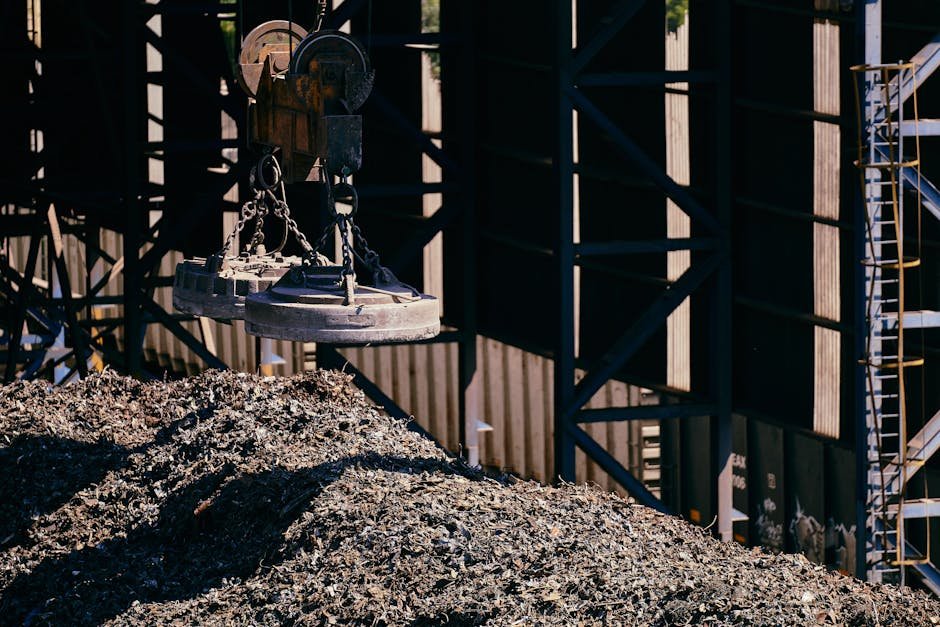

When navigating the complex landscape of the Australian recycling industry, sims metals stands out as a titan of the sector. As one of the world’s largest publicly traded metal recycling companies, they play a pivotal role in the circular economy by processing millions of tonnes of ferrous and non-ferrous materials annually. For individuals and businesses looking to participate in the scrap industry, understanding how a major player like this operates is essential for maximizing the value of your materials. Whether you are a small-scale collector or a large industrial contractor, learning the ropes of the trade is vital, and you can learn more about the process in our guide on I Buy Scrap How To Sell Your Scrap Metals Efficiently.
The History and Global Impact of Sims Metals
Founded in Australia in 1917, the company has evolved from a local scrap yard into a multi-national powerhouse. Their operational model is built on the collection, processing, and trading of iron, steel, and non-ferrous metals. By diverting waste from landfills and reducing the need for virgin ore mining, they provide a critical service to the global manufacturing supply chain. Their influence is felt across major Australian industrial hubs, including specific locations like sims metals malaga, where they provide essential services for the local construction and demolition sectors.
Understanding the sheer scale of sims metals is important for any scrap trader. They operate sophisticated shredding plants, heavy-media separation facilities, and complex logistics networks. This infrastructure allows them to handle everything from end-of-life vehicles and household appliances to massive industrial decommissioning projects. When you work with large-scale recyclers, you are tapping into a global commodity market. To stay ahead of the curve, you should regularly check Metal Prices Per Kg How To Sell Scrap Metals Profitably to ensure your sales align with current market fluctuations.
Understanding Ferrous and Non-Ferrous Scrap
To be a successful scrap trader, you must categorize your materials correctly. Ferrous metals, which contain iron and are magnetic, form the bulk of the volume handled by major recyclers. This includes steel, cast iron, and wrought iron. Heavy Melting Steel (HMS) is a standard grade in the industry, and knowing how to prepare it is key to getting the best price. For a deeper dive into this category, refer to our expert resource on Hms Scrap How To Sell And Profit From Scrap Metals.
Non-ferrous metals—such as copper, aluminum, brass, and lead—are generally more valuable due to their scarcity and the energy-intensive nature of their primary production. Because these materials do not degrade during the recycling process, they are infinitely recyclable. When dealing with scarp metals, it is crucial to keep your piles sorted. Contamination—such as plastic, rubber, or wood attached to metal—can significantly downgrade the value of your load at a weighbridge. Professional recyclers like those at Scrap Trade emphasize that clean, sorted loads are always the most profitable.
Logistics and Processing at Large-Scale Facilities
The efficiency of a scrap yard is determined by its ability to process incoming material rapidly. When you arrive at a facility, your material is weighed on a certified weighbridge. Following this, the material is inspected for safety and quality. Large-scale operators use industrial shears and shredders to reduce large objects into manageable pieces. This process is essential for the logistics of shipping, as it allows for denser loading into containers for export or transport to domestic mills.
For the average seller, the experience at a large facility can be intimidating. However, by following a few simple rules, you can streamline your visit. Always ensure you have the necessary identification, as most major recyclers are required to record transactions to prevent the trade of stolen goods. Additionally, safety is paramount; always wear high-visibility gear and sturdy boots when entering a scrap yard. Our partners at Scrap Trade Australia provide comprehensive resources on how to prepare your site and your loads to meet the strict safety standards required by major processing plants.
Market Forces and Pricing Fluctuations
The pricing of scrap is not arbitrary; it is tied to the London Metal Exchange (LME) and local demand. When global manufacturing demand is high, the price for scrap metals rises. Conversely, economic downturns can lead to a slump in commodity prices. Sims metals and other major recyclers act as market makers, providing liquidity to the market. They purchase scrap at a price that accounts for their processing costs, transportation, and the expected margin when they sell the refined product to steel mills or smelters.
Traders should be aware of the “spread” between what they are paid and the final commodity price. Factors influencing this include the distance to the port, the current cost of energy, and the purity of the scrap. If you have high-grade copper or specialized alloys, you are in a stronger position to negotiate. Never assume the first offer is the best; stay informed about market trends and maintain relationships with multiple buyers to ensure you are receiving fair market value for your efforts.
Sustainability and the Circular Economy
The role of the scrap industry in the transition to a net-zero future cannot be overstated. Recycling steel, for example, uses significantly less energy than producing steel from iron ore. By utilizing scrap, manufacturers can drastically reduce their carbon footprint. Major players are increasingly investing in technology that allows for better sorting of complex waste, such as e-waste, which contains precious metals like gold and silver alongside hazardous materials that require specialized handling.
For the individual trader, this means that your efforts in segregating waste are not just about profit—they are a direct contribution to environmental sustainability. By cleaning your scrap and removing impurities, you make the job of the recycler much easier and ensure that more material is successfully recovered. This commitment to quality supports the entire industry and keeps the circular economy moving forward.
Best Practices for Preparing Your Scrap
Preparation is the single most important factor in increasing your profit margins. Before heading to a yard, take the time to strip insulation from copper wires, remove non-metallic attachments from aluminum frames, and separate different grades of steel. A load of “mixed” scrap will almost always be valued at the lowest common denominator. By spending an hour sorting your materials, you could potentially increase your payout by 20% or more.
Furthermore, consider the volume of your scrap. Some facilities offer better rates for larger quantities. If you are a small operator, consider pooling your resources with others to reach a volume threshold that might trigger a better price. Always communicate with the yard manager beforehand; they are often willing to provide guidance on how they prefer materials to be delivered, which saves time for both parties and ensures a smoother transaction process.
Navigating Regulations and Safety Standards
The scrap metal industry is highly regulated in Australia, with strict laws governing the licensing of dealers and the documentation of transactions. These regulations are designed to combat the trade of stolen property and ensure environmental compliance. You will likely be asked to provide proof of identity and potentially proof of ownership for larger or suspicious loads. Familiarizing yourself with state-specific laws is a necessary part of being a professional in the trade.
Safety is the other side of the coin. Scrap yards are industrial environments with heavy machinery, moving trucks, and sharp materials. Never assume the operator can see you. Follow all signage, stay within designated pedestrian zones, and never attempt to climb on piles of scrap. By respecting the safety protocols, you not only protect yourself but also demonstrate that you are a serious, professional trader, which can lead to better long-term relationships with yard staff.
Future Trends in the Metal Recycling Industry
Looking ahead, the industry is set to undergo significant changes driven by automation and artificial intelligence. Robotic sorting, which can identify and separate different alloys with extreme precision, is becoming more common. This technology will allow for higher purity levels, which in turn will command higher prices for recycled materials. For the scrap trader, this means that the demand for high-quality, clean, and well-sorted scrap will only increase.
Additionally, the shift toward electric vehicles (EVs) is creating a new stream of scrap in the form of lithium-ion batteries and specialized rare earth magnets. While this is a complex area, it represents a massive opportunity for those willing to adapt and learn new handling procedures. Staying informed about these technological shifts will ensure that you remain relevant in an evolving market. Keep your knowledge base updated by reading industry reports and engaging with platforms that provide insights into the future of global metal recycling.
Conclusion
Mastering the scrap metal trade requires a blend of market knowledge, physical effort, and strategic planning. Whether you are dealing with a global entity like sims metals or a local yard, the principles remain the same: sort your materials, prioritize safety, and stay informed on market prices. By treating your scrap collection as a professional business, you can turn what others see as waste into a profitable venture. Remember to utilize resources like our guides on selling scrap efficiently and tracking metal prices to maintain your competitive edge. The industry is a vital component of the global economy, and with the right approach, you can be a successful participant in this essential cycle of renewal.
Frequently Asked Questions
What is the best way to prepare scrap for a recycling yard?
The best way to prepare scrap is to sort it by metal type and remove all non-metallic contaminants like plastic, wood, or rubber. Clean, separated materials are easier for the yard to process and will fetch a significantly higher price than mixed, dirty loads.
Do I need identification to sell scrap metal in Australia?
Yes, Australian law requires scrap metal recyclers to verify the identity of anyone selling scrap to prevent the trade of stolen goods. You should always carry a valid driver’s license or government-issued photo ID when visiting a yard.
Why are non-ferrous metals worth more than ferrous metals?
Non-ferrous metals, such as copper and aluminum, are more valuable because they are rarer and require significantly more energy to extract and refine from raw ore. They also retain their properties indefinitely through the recycling process, making them highly sought after by manufacturers.
How do scrap metal prices change?
Scrap prices are driven by global supply and demand, often linked to the London Metal Exchange (LME). Factors such as global manufacturing output, energy costs, and the availability of raw materials cause prices to fluctuate daily or weekly.