
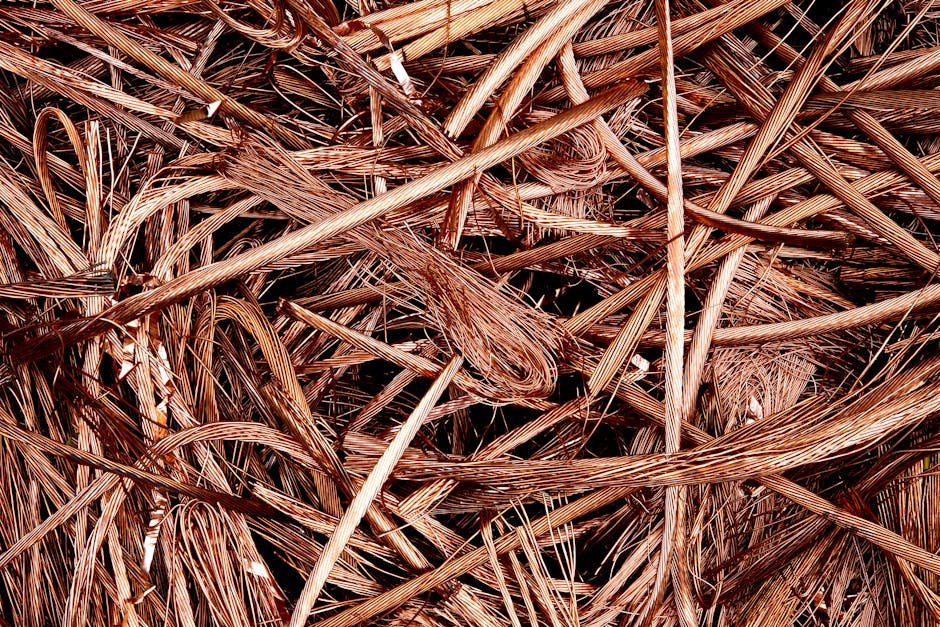

When you engage in scrap copper recycling Guildford, you are participating in a vital circular economy that preserves natural resources while providing a lucrative revenue stream for businesses and individuals alike. As one of the most highly valued base metals, copper is infinitely recyclable without losing its chemical or physical properties. Whether you are a tradesperson clearing a job site or a local resident looking to dispose of old plumbing, understanding the nuances of the scrap trade is essential for maximizing your return on investment.
Understanding Copper Grades: What You Need to Know
Not all copper is created equal, and the value you receive at a yard is strictly dictated by the grade of the material. To get the best copper price per kg, you must learn to identify and separate your scrap correctly. The industry generally categorizes copper into specific grades based on purity, oxidation levels, and the presence of contaminants like insulation or solder.
- Bare Bright Copper: This is the gold standard. It consists of clean, unalloyed, uncoated, and uninsulated copper wire, typically 16 gauge or thicker. It must be free of any paint, oxidation, or other metal attachments to qualify for the highest price tier.
- Number 1 Copper: This grade includes copper pipe, bus bars, and clippings that are clean and free of solder, paint, or other contaminants. It is slightly less valuable than bare bright but still commands a premium market rate.
- Number 2 Copper: This is the most common grade found in general demolition or renovation work. It includes copper pipe with solder joints, brass fittings, or copper wire that has been slightly oxidized or contains minor impurities. Because it requires more intensive processing to reach purity, it is priced lower than Number 1.
- Insulated Copper Wire: This category covers everything from household appliance cords to heavy-duty industrial cabling. The value here is determined by the “recovery rate”—the percentage of actual copper content versus the weight of the plastic insulation.
For those interested in the broader industry, joining a Copper Scrap Group is an excellent way to network with professionals and stay updated on market fluctuations. Proper sorting is the single most effective way to ensure you are paid what your scrap is actually worth.
How the Recycling Process Works
The journey of copper from a construction site to a new product is a sophisticated industrial process. Once you drop your material off at a facility specializing in scrap copper recycling Guildford, the material undergoes a rigorous transformation. First, the scrap is weighed and inspected for contaminants. Large-scale facilities use X-ray fluorescence (XRF) analyzers to determine the exact alloy composition of the metal.
After sorting, the copper is shredded into small pieces to facilitate the removal of non-metallic materials like plastic, paper, or glass. Magnetic separators are used to pull out any ferrous metals, while air classifiers remove light materials like insulation coatings. The resulting clean copper “nuggets” are then melted in high-temperature furnaces. The molten metal is cast into ingots or billets, which are then shipped to manufacturers to be drawn into new copper wire, copper pipe, or other essential components for the electronics and construction industries.
Understanding the difference between the logistics of collection and the actual manufacturing of recycled goods is key. For those looking to enter the industry, we recommend reading our expert analysis on Scrap Trading Vs Recycling Business to understand where your efforts are best placed. By participating in this system, you are reducing the need for destructive copper mining, which consumes vast amounts of energy and water compared to secondary production.
Environmental Benefits of Recycling Copper
The environmental case for copper recycling is overwhelming. Copper is a critical material for the transition to renewable energy. Electric vehicles (EVs), wind turbines, and solar panels require significantly more copper than their internal-combustion counterparts. If we relied solely on mined copper, the carbon footprint of the green energy transition would be massive.
Recycling copper requires up to 85% less energy than extracting it from ore. Mining operations involve open-pit excavations, chemical leaching, and the displacement of local ecosystems. By choosing scrap copper recycling Guildford, you are effectively closing the loop. Every tonne of recycled copper saves approximately 40 gigajoules of energy and prevents the release of tonnes of CO2 emissions. Furthermore, recycling diverts thousands of tonnes of metal from landfills, where heavy metals can leach into the soil and groundwater.
For those looking for reputable service providers, it is easy to find Scrap Metal Recycling Near Me by utilizing our comprehensive database. We also cater to specific regional demands; if you are located in other parts of the city, you may be interested in our dedicated services for scrap copper recycling guildford west or our operations for scrap copper recycling clyde. Our commitment is to provide a seamless experience that prioritizes both the environment and the customer’s bottom line.
Maximizing Your Returns: Practical Tips
To maximize your profit, consistency and preparation are key. First, stop throwing away your scrap in mixed bins. Keep your copper separate from steel, aluminum, and brass. Even a small amount of contamination can downgrade your entire load from Number 1 to Number 2, which could cost you significant money. Second, consider the state of your copper. While stripping insulation from wire can increase its value, you must calculate whether the time spent stripping is worth the extra profit. Often, high-volume scrapers find that selling insulated wire as-is is more efficient due to the time-value of labor.
Keep an eye on the global copper market. Copper is a commodity traded on the London Metal Exchange (LME), and prices change daily. By staying informed through the official scrap trade portal, you can time your sales to coincide with market highs. Always ensure you are dealing with a licensed facility that provides clear, transparent weighing and payment processes. If you are new to the trade, explore the resources available at our main trading hub to learn about market trends and logistics.
The Future of Copper in the Global Economy
As we move deeper into the 21st century, the demand for copper is projected to skyrocket. With the global push toward electrification and the expansion of 5G infrastructure, copper is often referred to as “Dr. Copper” because its price is seen as a leading indicator of global economic health. Investing time in learning the recycling trade is not just a way to make extra cash; it is becoming a essential service for the modern economy.
We are seeing a shift toward more advanced sorting technologies, including AI-driven optical sorters that can identify different copper alloys in milliseconds. This technological leap means that the scrap industry is becoming cleaner, faster, and more profitable for those who are willing to adapt. Whether you are a small-scale collector or a large demolition contractor, the principles remain the same: quality control, efficient sorting, and a deep understanding of market timing.
Safety and Compliance in Scrap Handling
Safety is non-negotiable in the scrap metal industry. Copper can be sharp, heavy, and often located in hazardous environments like construction sites or abandoned buildings. Always wear appropriate personal protective equipment (PPE), including cut-resistant gloves, steel-toed boots, and eye protection. When handling old electrical wiring, ensure that you are not dealing with live circuits. If you are stripping wire, use proper tools to avoid repetitive strain injuries or accidental cuts.
Compliance is equally important. In Australia, scrap yards are subject to strict regulations regarding the purchase of metal to prevent the trade of stolen goods. Always be prepared to provide identification when selling scrap. This not only keeps the industry professional and legal but also helps build a long-term, trusting relationship with your local yard. By maintaining a clean, honest, and professional approach to your scrap collection, you ensure that you remain a valued partner in the recycling ecosystem.
Building a Sustainable Future Together
The transition to a sustainable future is a collective effort. Every piece of copper you recycle is a step away from the need for new mining operations. By choosing to support local recycling initiatives, you are helping to build a stronger, more resilient community in Guildford and beyond. We invite you to continue exploring our site to learn more about how you can optimize your scrap management strategies. Remember, the value of your scrap is not just in the money you receive today, but in the contribution you make to a cleaner, more efficient tomorrow.
We have spent years refining our processes to ensure that our clients receive the best possible service. Whether you are looking for advice on how to store your scrap, or you need help identifying specific grades of copper, our team is here to assist. The scrap metal industry is complex, but with the right knowledge and the right partners, it is also incredibly rewarding. Join us in our mission to promote excellence in the scrap trading industry and help keep our environment clean for future generations.
Frequently Asked Questions
What is the difference between Number 1 and Number 2 copper?
Number 1 copper is clean, unalloyed, and free of solder or paint, whereas Number 2 copper includes pipe with solder joints or wire that is slightly oxidized. Number 1 commands a higher price because it requires less processing to be recycled.
How can I get the best copper price per kg?
To get the best price, ensure your copper is clean, free of contaminants like plastic or steel, and properly sorted by grade. Keeping up with daily market fluctuations on the LME will also help you choose the best time to sell.
Is it worth stripping insulation from copper wire?
It depends on the volume and the type of wire. While clean bare bright copper fetches a higher price, you must weigh the time and labor cost of stripping against the price difference between insulated and bare copper.
What documentation do I need to sell scrap copper?
Most licensed scrap yards in Australia require a valid government-issued photo ID to comply with anti-theft regulations. Always check with your local facility beforehand to ensure you have the correct documentation.