
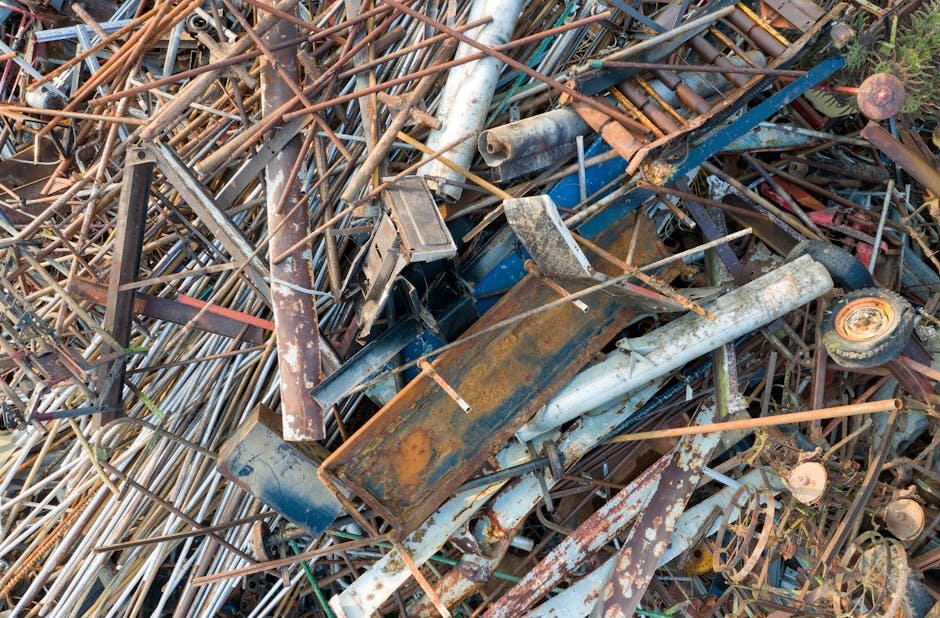

When it comes to scrap metal recycling North Sydney, both residential and commercial sectors play a pivotal role in the circular economy of New South Wales. As urban development continues to surge across the North Shore, the demand for sustainable waste management solutions has never been higher. By diverting metal waste from landfills, businesses and individuals contribute to a more sustainable future for Greater Sydney. Whether you are a construction firm clearing a site or a homeowner with old appliances, understanding how to process your materials correctly is the first step toward environmental stewardship and economic gain.
Understanding Metal Grades: Ferrous vs. Non-Ferrous
To maximize the value of your materials, you must first understand the classification of metals. In the industry, metals are split into two primary categories: ferrous and non-ferrous. Ferrous metals contain iron, making them magnetic and generally more abundant. These include steel, iron, and stainless steel. Because of their high volume and relative ease of processing, they are the backbone of the construction industry in New South Wales. Conversely, non-ferrous metals—such as copper, aluminium, brass, and lead—do not contain iron. They are highly prized for their corrosion resistance and conductivity, making them significantly more valuable per kilogram than their ferrous counterparts.
For those looking for Scrap Metal Recycling Near Me, identifying these grades is essential. For instance, high-grade copper wiring found in electrical infrastructure is a premium commodity. If you are operating in the industrial hubs of the North Shore, segregating your copper from steel at the source can drastically increase your return on investment. Furthermore, understanding the nuances of these grades allows you to engage more effectively with recycling facilities. As highlighted in our deep dive into Bg Scrap Metal How Scrap Metal Recycling Is Evolving In The Global Scrap Industry, technological advancements are making it easier to identify and sort these materials with high precision.
The Process: From Collection to Circular Economy
The journey of a piece of scrap metal begins long before it reaches a recycling yard. It starts with collection and systematic sorting. In North Sydney, professional recycling yards utilize advanced machinery like hydraulic shears, shredders, and magnetic separators to process thousands of tonnes of metal annually. The process is highly efficient: once the metal is sorted by grade, it is compacted into dense bales to optimize transport logistics. From there, these bales are sent to smelters where they are melted down into ingots, which are then sold back to manufacturers to create everything from new car parts to structural steel beams.
This efficiency is not just about logistics; it is about profitability. Many businesses are now adopting York Metal Recycling Efficient And Profitable Scrap Solutions to streamline their waste streams. By partnering with a reputable scrap metal trading platform, companies can ensure their waste is handled in compliance with NSW environmental regulations. If your operations extend beyond the North Shore, you may also benefit from services tailored to scrap metal western sydney, where industrial density allows for large-scale collection and processing. For those specifically located in the commercial heart of the region, specialized scrap metal recycling artarmon facilities provide localized drop-off points that reduce the carbon footprint of transport.
Environmental Benefits of Recycling in NSW
The environmental impact of recycling metal is profound. Mining for virgin ore is an energy-intensive process that results in significant habitat destruction and greenhouse gas emissions. By choosing to recycle, we drastically reduce the energy required for production. For example, recycling aluminium saves approximately 95% of the energy required to produce the same amount of metal from raw bauxite ore. In the context of Greater Sydney, where urban sprawl and construction are constant, the ability to reclaim metals from old buildings and infrastructure is a vital component of sustainable city planning.
Furthermore, recycling prevents hazardous materials from leaching into the soil and groundwater. Old electronic components and lead-acid batteries contain toxic substances that, if improperly disposed of, pose a long-term risk to the local ecosystem. By utilizing a professional scrap metal trading platform, you ensure that these hazardous materials are handled according to strict safety protocols. This commitment to sustainability is what defines the modern scrap industry in New South Wales, moving away from the “dump and forget” mentality toward a sophisticated, resource-recovery model.
Logistics and Regulations in North Sydney
Navigating the logistics of scrap metal recycling North Sydney requires an understanding of both local council regulations and state-wide environmental laws. New South Wales has stringent guidelines regarding the storage and transport of industrial waste. For businesses, this means maintaining proper documentation and ensuring that all scrap is stored in a way that prevents runoff and contamination. Whether you are dealing with demolition waste or manufacturing offcuts, compliance is not just a legal requirement—it is a mark of a professional operation.
When planning your recycling strategy, consider the volume of your waste. High-volume generators should look for partners who offer bin services or scheduled pick-ups. This minimizes the clutter on your site and ensures that your materials are moved to the recycling facility promptly. By maintaining a clean and organized site, you not only improve safety but also ensure that your scrap remains clean and free of contaminants, which is a critical factor in determining the market value of your metal.
Economic Advantages for Businesses
Beyond the environmental benefits, there is a clear economic incentive to recycle. Metal is a commodity, and its price fluctuates based on global market demand. By keeping a close eye on industry trends, businesses can time their sales to maximize their returns. This is where professional scrap metal trading becomes a strategic financial decision. Instead of viewing scrap as a cost of doing business, forward-thinking managers view it as a revenue stream. By implementing a robust sorting system, you can turn a waste disposal expense into a profit-generating activity.
Effective scrap management also reduces procurement costs. When manufacturers use recycled metal, they are often able to source materials at a lower cost than virgin alternatives. This creates a closed-loop system where the scrap generated by one company becomes the raw material for another. This synergy is the hallmark of a mature industrial economy. In North Sydney, where space is at a premium, efficient waste management also frees up valuable floor space that would otherwise be occupied by piles of scrap, allowing for more productive use of your facility.
Future Trends in the Global Scrap Industry
The global scrap industry is undergoing a digital transformation. We are moving toward a future where blockchain-based tracking and AI-driven sorting systems define the market. These technologies provide greater transparency in the supply chain, ensuring that recycled materials meet the highest quality standards. As we see in the evolution of the industry, the focus is shifting from simple collection to high-tech processing. This transition is essential for meeting the growing demand for sustainable materials in the automotive, aerospace, and construction sectors.
For stakeholders in New South Wales, staying ahead of these trends is vital. By adopting digital tools and partnering with tech-forward recycling firms, you can ensure that your scrap metal recycling North Sydney operations remain competitive. The integration of data analytics allows for better forecasting of metal prices, helping you make informed decisions about when to sell your stock. As the world moves toward a net-zero future, the role of recycled metal will only increase in importance, making this the perfect time to optimize your recycling processes.
Best Practices for Site Management
To get the best value from your scrap, site management is key. Start by establishing designated zones for different types of metal. Mixing steel with copper or aluminium will significantly lower the value of the entire batch, as the recycler will have to spend extra time and energy separating them. Use clearly marked bins for different grades, and educate your staff on the importance of contamination control. For example, ensure that plastics, wood, and rubber are kept separate from your metal piles.
Additionally, keep your metal dry. While most metals are durable, rust and water weight can affect the final weigh-in at the recycling yard. By keeping your scrap under cover, you ensure that you are selling metal, not water. Finally, build a relationship with a trusted local recycler. A consistent partner will be able to provide you with market insights, competitive pricing, and reliable service, which is far more valuable in the long run than chasing the highest spot price from an unknown buyer. By following these best practices, you turn your scrap yard into a well-oiled machine that supports both your bottom line and the planet.
Conclusion
Recycling is more than just a waste management solution; it is a fundamental pillar of a sustainable economy. In North Sydney, the opportunities to participate in this circular model are abundant. By understanding the different grades of metal, optimizing your collection processes, and partnering with professional recyclers, you can contribute to a greener future while unlocking significant economic value. As the industry continues to evolve, those who prioritize efficiency and sustainability will be the ones who thrive. Start by auditing your current scrap output, implementing a segregation strategy, and connecting with a reputable partner to ensure your materials are handled with the expertise they deserve.
Frequently Asked Questions
What is the most valuable type of scrap metal to recycle?
Non-ferrous metals like copper, brass, and aluminium are generally the most valuable. Copper, in particular, commands high prices due to its extensive use in electrical wiring and its high demand in manufacturing.
Do I need to clean my scrap metal before bringing it to a facility?
While you don’t need to polish it, removing contaminants like plastic, wood, or rubber significantly improves the value of your scrap. Clean, sorted metal is much easier for recyclers to process and will fetch a higher price.
How do I know if my metal is ferrous or non-ferrous?
The easiest way is to use a magnet. If the magnet sticks to the metal, it is ferrous (contains iron, like steel or iron). If the magnet does not stick, it is likely a non-ferrous metal like aluminium, copper, or brass.
Why is scrap metal recycling important for the environment?
Recycling metal significantly reduces the need for energy-intensive mining of virgin ores, saves natural resources, and lowers greenhouse gas emissions. It also prevents hazardous waste from ending up in landfills, protecting local ecosystems.