
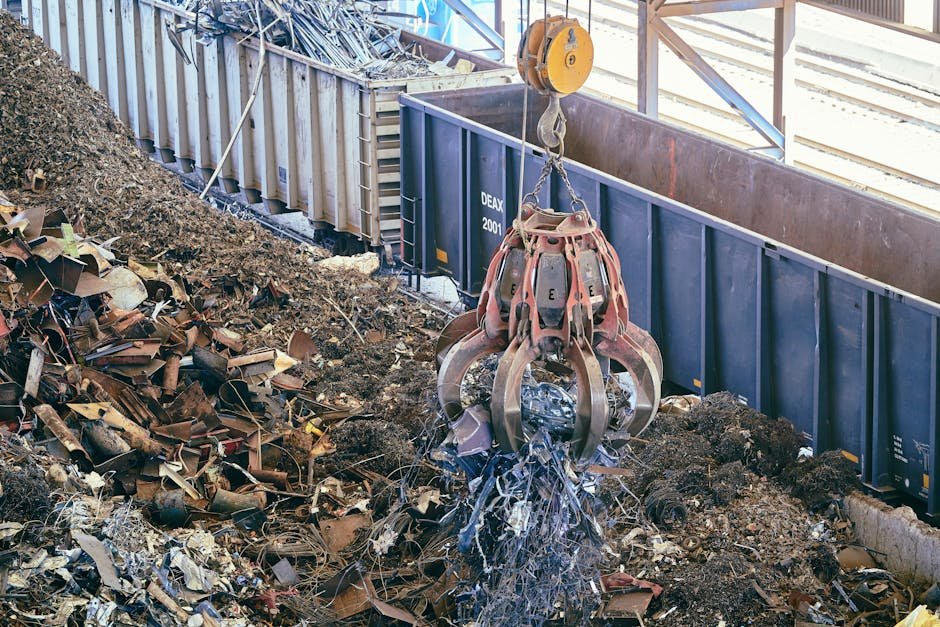

When you engage in scrap metal recycling Penrith, you are participating in a sophisticated global supply chain that transforms waste into valuable industrial feedstock. As the western gateway to Sydney, Penrith has become a critical hub for industrial activity, construction, and residential development, making it an ideal location for efficient metal recovery. Whether you are a trade contractor clearing a job site or a homeowner cleaning out a garage, understanding the nuances of metal grades and market pricing is essential for maximizing the value of your materials.
The Economics of Metal Grades: What You Need to Know
Not all metal is created equal, and understanding the classification system is the first step toward becoming a savvy recycler. The scrap industry generally categorizes metals into two primary groups: Ferrous and Non-Ferrous.
Ferrous Metals: These contain iron and are magnetic. Common examples include mild steel, carbon steel, stainless steel, and cast iron. Because they are abundant, they typically command lower prices per kilogram compared to their non-ferrous counterparts. However, due to the sheer volume generated in construction, they remain the backbone of the industry.
Non-Ferrous Metals: These do not contain iron and are non-magnetic. This category includes copper, aluminium, brass, lead, and zinc. These materials are highly sought after due to their infinite recyclability and lower energy requirements for processing. For instance, recycling aluminium saves approximately 95% of the energy required to produce the same amount of metal from raw bauxite ore. When you look to Sell Scrap Metal Near Me In 2026, focusing on separating your non-ferrous metals from your steel will significantly increase your payout.
If you are exploring the industry further, it is helpful to understand the nuances between a Scrap Trading Vs Recycling Business model. While traders often focus on logistics and arbitrage, recyclers invest in the physical infrastructure to process and refine materials for mills. For those in other parts of Sydney, the principles remain consistent, much like the services provided for scrap metal recycling artarmon, where urban density requires specialized collection logistics.
How the Recycling Process Works: From Collection to Mill
The journey of a piece of scrap metal is a marvel of industrial efficiency. It begins with collection. In the Penrith region, this often involves specialized bins placed at construction sites or drop-off points. Once collected, the material undergoes a rigorous sorting process. Advanced facilities use magnets for ferrous materials and eddy current separators for non-ferrous metals to ensure purity.
After sorting, the metal is processed. This may involve shredding, which breaks large items into smaller, manageable pieces, or shearing, which uses powerful hydraulic blades to cut through heavy structural steel. The goal is to increase the density of the material, making it cheaper and more efficient to transport to smelters.
Finally, the metal is melted in a furnace. Because metals do not lose their chemical properties during the recycling process, they can be melted down and cast into new products indefinitely. This circular economy is vital for sustainable manufacturing. If you are searching for a reliable partner, you can find Scrap Metal Recycling Near Me to streamline your logistics. For those specifically searching for scrap metal penrith, local facilities are equipped to handle everything from copper wiring to industrial machinery.
Environmental Benefits of Metal Recovery
The environmental impact of recycling cannot be overstated. Mining for virgin ore is an energy-intensive process that leaves significant scars on the landscape. By recycling, we drastically reduce the carbon footprint of the manufacturing sector. Every tonne of steel recycled saves over 1,000 kilograms of iron ore, 500 kilograms of coal, and 40 kilograms of limestone.
Furthermore, recycling reduces the demand for landfill space. Metals that are left to degrade in landfills can leach harmful chemicals into the soil and groundwater. By diverting these materials to a recycling facility, we protect the local Penrith ecosystem while conserving natural resources. For more information on how the industry is evolving, visit Scrap Trade for the latest market insights.
Maximizing Your Returns: Practical Tips for Sellers
To get the best price for your scrap, preparation is key. Here are several expert strategies to ensure you are maximizing your return:
- Keep it Clean: Remove non-metal attachments. For example, stripping plastic insulation from copper wire or removing steel bolts from aluminium components can move your metal into a higher, more valuable grade.
- Sort by Type: Never mix your metals. A small amount of brass in a bin of copper can downgrade the entire load to the price of the lower-value metal.
- Know the Market: Metal prices fluctuate daily based on global demand, currency exchange rates, and geopolitical stability. Keep an eye on trends before heading to the yard.
- Safety First: Scrap yards are industrial environments. Always wear high-visibility clothing, sturdy boots, and gloves when handling materials.
- Use Reliable Weighing: Ensure you are working with a facility that uses certified, calibrated scales. Transparency in the weighing process is a hallmark of a reputable buyer.
For professional guidance on managing your scrap, visit the experts at Scrap Trade Australia. They provide the necessary tools to track your inventory and understand the value of your scrap assets effectively.
The Future of the Industry: Trends to Watch
As we move toward 2026, the scrap industry is undergoing a digital transformation. Blockchain technology is being explored to track the provenance of recycled metals, ensuring that manufacturers can verify the sustainability of their supply chains. Furthermore, automation in sorting—using AI-driven robotic arms—is increasing the purity of output, which in turn commands higher prices at the mill.
In the Penrith region, we are seeing a shift toward more localized processing. By reducing the distance between the source of the scrap and the recycling facility, companies are lowering their transport emissions. This localized approach is not only better for the environment but also provides a more stable and reliable service for local businesses.
Navigating Regulations and Safety Standards
Operating within the scrap metal industry requires strict adherence to environmental and safety regulations. In New South Wales, facilities must comply with the Protection of the Environment Operations Act. This ensures that processing activities do not contaminate the local environment. When choosing a partner for your recycling needs, always ensure they are fully licensed and follow best practices for waste management.
Safety is equally important. The handling of heavy machinery and sharp metal objects presents inherent risks. Reputable facilities prioritize site safety, providing clear signage, traffic management plans, and personal protective equipment (PPE) requirements for all visitors. By choosing a compliant and safety-focused facility, you are supporting a professional industry that values its workers and the community.
Why Penrith is a Strategic Hub for Recycling
Penrith’s unique position as a major industrial node in Western Sydney makes it an ideal location for a circular economy. With major infrastructure projects constantly underway, the volume of construction scrap—such as rebar, copper piping, and aluminium framing—is significant. By centralizing recycling efforts in this region, we can efficiently manage the waste generated by the growth of the city.
Local businesses benefit from reduced transport costs, while the environment benefits from decreased emissions associated with hauling scrap long distances. As the city continues to grow, the importance of efficient scrap management will only increase, cementing Penrith’s role as a leader in sustainable resource recovery.
Conclusion: Embracing the Circular Economy
The importance of scrap metal recycling Penrith extends far beyond the immediate financial benefit of selling your scrap. It is a fundamental pillar of modern sustainable living and industrial efficiency. By understanding the grades of metal, the recycling process, and the environmental impacts, you are contributing to a global shift toward a circular economy where waste is viewed as a resource rather than a burden.
Whether you are a professional contractor or a private individual, the steps you take to sort and recycle your metal today help secure a cleaner, more resource-efficient future for everyone. Stay informed, stay safe, and make the most of your scrap assets by partnering with reputable, transparent recycling facilities that understand the value of your contribution to the industry.
Frequently Asked Questions
What is the most valuable type of scrap metal to recycle?
Copper is generally the most valuable common scrap metal due to its high demand in electrical and plumbing applications. Other high-value metals include brass, stainless steel, and lead.
Do I need to clean my scrap metal before bringing it to a yard?
Yes, cleaning your scrap by removing non-metal attachments like plastic, rubber, or wood significantly increases its grade and value. Clean, sorted metal is always worth more than mixed, contaminated loads.
How often do scrap metal prices change?
Scrap metal prices are volatile and can change daily or even hourly based on global commodity markets, supply and demand, and currency fluctuations. It is best to check current market rates immediately before you plan to sell.
Why is it important to separate ferrous and non-ferrous metals?
Ferrous metals contain iron and are magnetic, while non-ferrous metals do not. Because they have different recycling processes and market values, keeping them separate ensures you receive the correct, higher price for your non-ferrous materials.