
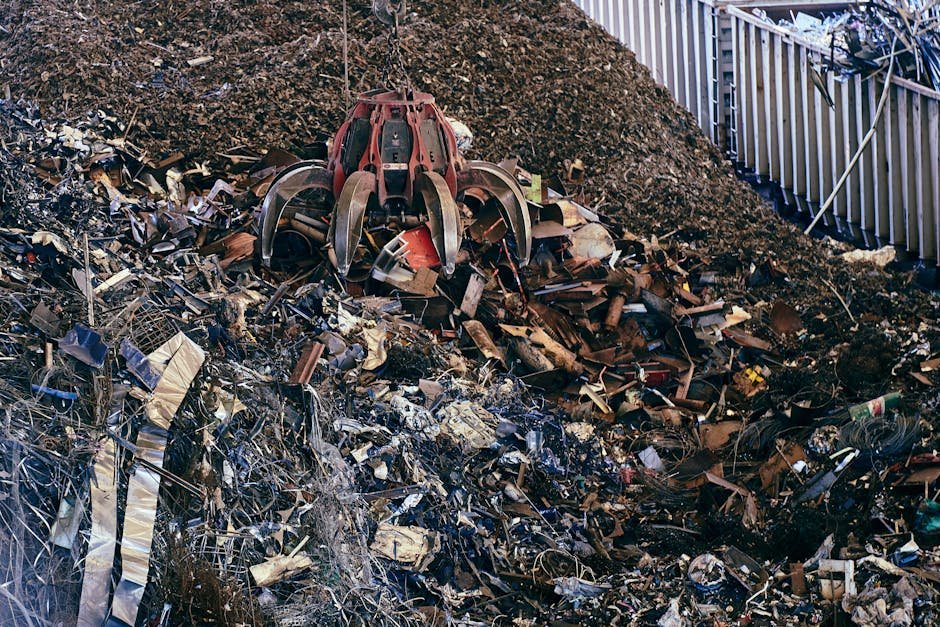

Navigating the landscape of scrap metal Artarmon requires a deep understanding of market dynamics, material classification, and the local regulatory environment. As the industrial hub of Sydney’s Lower North Shore continues to evolve, the demand for professional metal recycling services has surged, driven by both economic necessity and a growing commitment to circular economy principles. Whether you are a local trade contractor, a demolition firm, or a residential homeowner, understanding how to effectively manage your metal waste is the first step toward environmental stewardship and financial gain.
The Evolution of Scrap Metal Recycling in Artarmon
The industrial history of Artarmon has long been intertwined with manufacturing and trade. Today, the focus has shifted toward sustainability. When you engage with artarmon scrap metal services, you are participating in a global supply chain that transforms discarded materials into raw commodities. The recycling process begins with the identification of metal types, followed by collection, processing, and finally, manufacturing. By choosing reliable artarmon scrap metal recyclers, you ensure that your waste is handled according to Australian environmental standards, preventing hazardous materials from leaching into the local ecosystem.
For those looking to capitalize on their metal waste, it is essential to monitor current market fluctuations. You can research the latest Scrap Metal Prices to understand the value of your haul before heading to a yard. The industry is highly data-driven, and staying informed allows you to time your sales for maximum profitability. Whether you are clearing out a warehouse or disposing of copper wiring from a renovation, the process is streamlined when you partner with experts who provide transparent weighing and grading services.
Understanding Metal Grades: Ferrous vs. Non-Ferrous
To maximize your returns, you must be able to distinguish between the two primary categories of metal. Ferrous metals, which contain iron, are magnetic and generally heavier. Common examples include steel and iron, often found in construction beams, vehicle chassis, and heavy machinery. While these are essential to the economy, they are typically less valuable by weight than their non-ferrous counterparts.
Non-ferrous metals, such as copper, aluminium, brass, and lead, are highly sought after due to their resistance to corrosion and their infinite recyclability. Copper, in particular, is a high-value commodity due to its conductivity and use in electrical infrastructure. If you are preparing to Sell Scrap Metal Near Me In 2026, separating your copper pipes, wiring, and aluminium extrusions from your steel scraps will significantly increase your payout. Advanced recycling facilities utilize X-ray fluorescence (XRF) technology to determine the exact alloy composition, ensuring that you are paid accurately for the specific grade of metal you are providing.
The Technical Process: How Recycling Works
The recycling journey is a sophisticated mechanical and chemical operation. Once the metal arrives at the facility, it undergoes a rigorous sorting process. High-powered magnets are used to separate ferrous metals from the stream, while eddy current separators are employed to eject non-ferrous metals from non-metallic materials like plastic or glass. This level of precision is what makes modern scrap metal artarmon operations so efficient.
After sorting, the metals are shredded into smaller pieces. This increases the surface-area-to-volume ratio, making it easier to melt down in furnaces. The molten metal is then purified and cast into ingots or billets, which are then sold to manufacturers to create everything from new car parts to household appliances. By utilizing professional services found via Scrap Metal Recycling Near Me, you are directly contributing to a system that saves up to 95% of the energy required to produce virgin metal from ore. This is the cornerstone of the scrap.trade mission to digitize and optimize the recycling industry.
Environmental Benefits and Sustainability
The environmental impact of recycling cannot be overstated. Mining for virgin ore is an energy-intensive and destructive process that leads to deforestation, water contamination, and massive carbon emissions. By recycling one tonne of steel, we save approximately 1,100 kilograms of iron ore, 630 kilograms of coal, and 55 kilograms of limestone. This reduction in raw material extraction is vital for preserving Australia’s natural landscapes.
Furthermore, recycling reduces the pressure on local landfills. In the Artarmon area, responsible waste management is part of a broader mandate to keep our urban spaces clean and functional. When you recycle your metal, you are preventing heavy metals from entering the soil and groundwater. For businesses, adopting a robust recycling policy is also a significant step toward achieving ESG (Environmental, Social, and Governance) goals. Learn more about how these practices impact the broader economy by visiting our comprehensive industry portal.
Practical Tips for Maximizing Scrap Value
If you want to get the most out of your scrap metal, preparation is key. First, clean your metal. Remove any attached plastic, rubber, or wood. A clean load of copper pipe is worth significantly more than one filled with insulation or dirt. Second, sort your metals by type. Don’t mix your brass with your aluminium. Third, keep an eye on the market. Prices change daily based on global demand, particularly from manufacturing sectors in Asia and Europe.
Safety is also paramount. Always wear protective gear, including gloves and steel-toed boots, when handling scrap. Metal edges can be razor-sharp, and heavy loads require proper lifting techniques. If you have large quantities of industrial scrap, consider renting a skip bin or arranging for a pickup service. This not only saves you time but ensures that the transport of heavy materials is handled safely and legally.
Future Trends in the Scrap Metal Industry
The scrap industry is currently undergoing a digital transformation. We are moving away from handwritten tickets and cash-in-hand transactions toward integrated digital platforms that offer real-time tracking, automated pricing, and carbon credit reporting. This shift is designed to bring more transparency and efficiency to the market. As we look toward 2026 and beyond, the integration of AI in sorting facilities will further increase the purity of recycled metals, making them even more attractive to high-tech manufacturers.
As Australia continues to focus on its Net Zero targets, the role of the scrap recycler will become increasingly critical. We are seeing a rise in the demand for recycled aluminium in the EV (Electric Vehicle) sector, and the circular economy is no longer a niche concept—it is the future of industrial production. Staying ahead of these trends means understanding that your scrap metal is not just waste; it is a valuable resource that powers the future of technology and infrastructure.
Frequently Asked Questions
- How do I know if my metal is ferrous or non-ferrous? A simple test is to use a magnet. If the magnet sticks, the metal is ferrous (like steel or iron). If it doesn’t, it is non-ferrous (like copper, aluminium, or brass).
- What is the most valuable scrap metal? Copper is generally the most valuable common scrap metal due to its high demand in electrical and plumbing applications.
- Can I bring scrap metal directly to a facility in Artarmon? Yes, most facilities welcome drop-offs, but it is always recommended to call ahead to check their opening hours and current requirements for identification or weighbridge procedures.
- How are scrap metal prices determined? Prices are influenced by global supply and demand, the LME (London Metal Exchange) rates, and the purity and quantity of the material you are selling.
Conclusion
Recycling is an essential pillar of a modern, sustainable society. By understanding the grades of metal, the recycling process, and the environmental benefits of your actions, you contribute to a cleaner, more efficient Australia. Whether you are a professional tradesperson or a resident, the resources available for managing your scrap metal artarmon needs are more accessible than ever. By utilizing digital tools, staying informed on market prices, and committing to proper sorting, you can turn your waste into a significant financial asset while protecting the environment for future generations. Start your journey toward smarter recycling today by engaging with reputable local services and staying updated on industry best practices.
Related: artarmon scrap metal
Frequently Asked Questions
How do I know if my metal is ferrous or non-ferrous?
A simple test is to use a magnet. If the magnet sticks, the metal is ferrous (like steel or iron). If it doesn’t, it is non-ferrous (like copper, aluminium, or brass).
What is the most valuable scrap metal?
Copper is generally the most valuable common scrap metal due to its high demand in electrical and plumbing applications.
Can I bring scrap metal directly to a facility in Artarmon?
Yes, most facilities welcome drop-offs, but it is always recommended to call ahead to check their opening hours and current requirements for identification or weighbridge procedures.
How are scrap metal prices determined?
Prices are influenced by global supply and demand, the LME (London Metal Exchange) rates, and the purity and quantity of the material you are selling.