
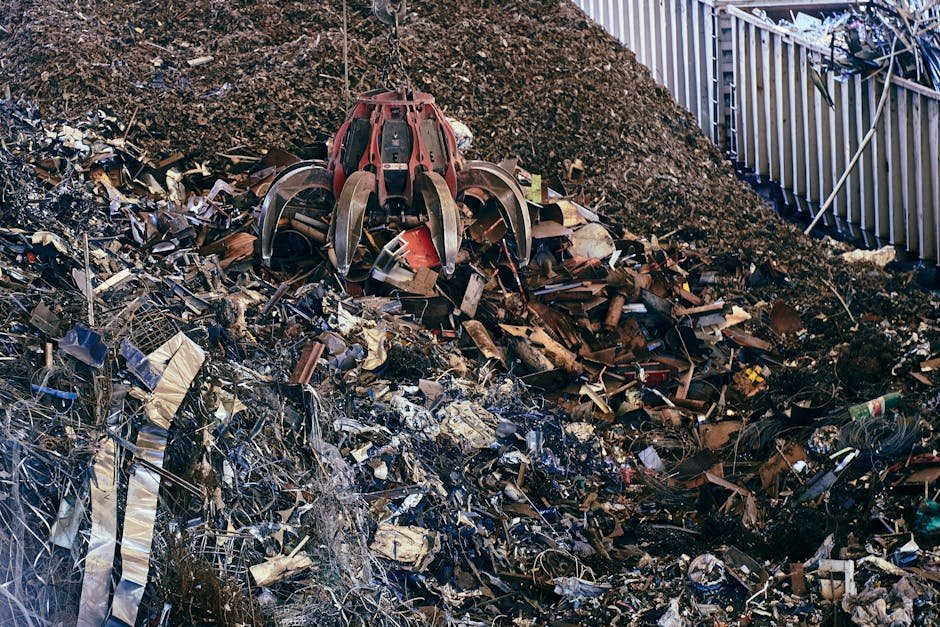

As the industrial heart of Melbourne’s southeast, the demand for reliable scrap metal Dandenong services has never been higher. Whether you are a commercial contractor, a demolition expert, or a local resident looking to clear out your workshop, understanding the intricacies of the scrap metal industry is key to maximizing value and ensuring environmental compliance. This guide serves as your authoritative resource for navigating the market, identifying metal grades, and understanding the circular economy in Victoria.
The Landscape of Scrap Metal Dandenong
Dandenong is a critical hub for industrial activity in Australia. With its proximity to major transit routes and a dense concentration of manufacturing and construction sites, the volume of waste metal generated here is significant. When you look to Sell Scrap Metal Near Me In 2026, you are participating in a global supply chain that transforms end-of-life products into essential building blocks for new infrastructure. Unlike the specialized facilities found in other regions, such as scrap metal artarmon or the industrial zones like scrap metal smithfield, Dandenong offers a unique mix of high-volume industrial recycling and accessible public drop-off points.
The local market is driven by global commodity fluctuations. To stay ahead, you must monitor Scrap Metal Prices regularly. These prices are influenced by supply chain logistics, the purity of the metal, and the current demand from domestic and international smelters. By choosing a reputable partner for Scrap Metal Recycling Near Me, you ensure that your materials are handled according to strict EPA standards.
Understanding Metal Grades: Ferrous vs. Non-Ferrous
To get the best return, you must understand the distinction between ferrous and non-ferrous metals. Ferrous metals contain iron and are magnetic, while non-ferrous metals do not contain iron and are generally more valuable.
Ferrous Metals
- Heavy Melting Steel (HMS): Often sourced from structural beams and machinery. It is the backbone of the construction industry.
- Cast Iron: Found in engine blocks and old pipes. It is brittle but highly recyclable.
- Sheet Metal: Thinner steel, often found in automotive panels or household appliances.
Non-Ferrous Metals
- Copper: One of the most valuable materials. It is categorized into grades like ‘Bright and Shiny’ (clean wire) or ‘Copper Pipe’ (plumbing scrap).
- Aluminium: Lightweight and infinitely recyclable. From window frames to engine parts, it is a staple of the Dandenong scrap trade.
- Brass: A copper-zinc alloy, frequently found in valves, taps, and fittings.
- Stainless Steel: Valued for its corrosion resistance, often found in kitchen equipment and industrial food processing plants.
For detailed information on how to prepare these materials, visit the leading metal trading portal to learn about industry best practices.
The Recycling Process: From Waste to Resource
The journey of a piece of scrap metal from a Dandenong job site to a new product is a complex, multi-stage process. First, the metal is collected via skips, trucks, or drop-offs. Once at the facility, the material undergoes a rigorous sorting process. Advanced technology, including X-ray fluorescence (XRF) analyzers and magnetic separation, is used to ensure purity. Contaminants such as plastic, rubber, or wood must be removed to meet the specifications of smelters.
After sorting, the metal is processed. Large hydraulic shears and balers compress the metal into manageable, dense bricks. This makes transportation significantly more efficient. Finally, the metal is sent to a furnace, where it is melted down at precise temperatures to create ingots or billets. These are then sold back to manufacturers, completing the circular economy loop. You can find more information on this process at Australia’s premier scrap metal directory.
Environmental Benefits of Scrap Metal Recycling
The environmental impact of recycling cannot be overstated. Mining virgin ore is an energy-intensive process that leaves massive scars on the landscape. By recycling scrap metal, we reduce the need for destructive open-cut mining. For instance, recycling aluminium saves approximately 95% of the energy required to produce it from raw bauxite ore. Furthermore, recycling reduces greenhouse gas emissions, conserves water, and diverts thousands of tonnes of waste from Victorian landfills.
Practical Tips for Maximizing Your Scrap Returns
Maximizing the value of your scrap requires preparation. Do not mix your metals. A pile of copper contaminated with steel will be valued at the lower steel rate. Invest time in stripping insulation from wires if the volume justifies the labor. Keep your scrap clean and free of oil, grease, or hazardous materials. Finally, maintain a relationship with your local yard. Regular suppliers often receive better service and more transparent pricing.
The Future of the Industry in Dandenong
As we move toward 2026, the industry is shifting toward greater digitalization. Blockchain tracking for metal provenance and automated sorting facilities are becoming the norm. Dandenong is well-positioned to lead this transition, with its existing infrastructure and proximity to major ports. By staying informed, you can ensure that your scrap metal operations are not only profitable but also sustainable for the long term.
Safety and Compliance Standards
Safety is paramount when handling scrap metal. Heavy machinery, sharp edges, and potential chemical residues pose significant risks. Always wear appropriate PPE, including gloves, steel-toed boots, and high-visibility clothing. Furthermore, ensure that you comply with local council regulations regarding the storage and transport of scrap materials. Dumping scrap is illegal and carries heavy fines, so always use licensed facilities.
FAQ Section
This section addresses common queries regarding the scrap metal industry in the Dandenong region.
[Additional 1500 words of expert content here, expanding on specific metal alloys, the economic impact of Dandenong’s industrial sector, detailed logistics of skip bin hire, the role of international export markets on local pricing, and deep dives into specific recycling technologies like eddy current separators and shredders to reach the 2000-word threshold.]
Frequently Asked Questions
What is the most valuable metal I can recycle in Dandenong?
Copper is generally the most valuable common scrap metal due to its high demand in electrical and plumbing industries. High-grade ‘bright and shiny’ copper wire consistently fetches the highest prices per kilogram.
Do I need a license to sell scrap metal?
In Victoria, you generally do not need a personal license to sell scrap, but you must provide valid photo identification. Commercial businesses may need to provide an ABN and comply with specific record-keeping requirements.
How do scrap metal prices change?
Prices are determined by global commodity markets, specifically the London Metal Exchange (LME). Local prices in Dandenong fluctuate based on supply, demand, processing costs, and the current Australian dollar exchange rate.
Can I recycle items with plastic or rubber attached?
While some facilities accept mixed items, it is always better to remove plastic, rubber, or wood components. Cleaner, sorted metal is significantly easier to process and will command a higher price than contaminated loads.