

Understanding the copper scrap price Melbourne market is essential for anyone looking to turn industrial, commercial, or residential waste into profit. As one of the most highly valued base metals, copper is a cornerstone of the Australian recycling economy. Whether you are an electrician clearing out job sites or a homeowner renovating, knowing how to identify, sort, and time your sales can significantly impact your bottom line. We provide the most accurate insights into the copper scrap price Melbourne, ensuring you understand the variables that dictate your payout at the scale.
How Copper Scrap Prices Are Set in Australia
The pricing of scrap metal is not arbitrary. It is deeply tied to global financial markets. The primary driver for the copper scrap price Melbourne is the London Metal Exchange (LME), where copper is traded as a global commodity. When the LME price moves, local scrap yards adjust their buy rates accordingly. However, the price you receive at a yard is not the raw LME price; it is the LME price minus the costs of processing, transport, refining, and the yard’s operational margin.
Local factors also play a critical role. Demand from major manufacturing hubs, the strength of the Australian Dollar (AUD) against the US Dollar (USD), and domestic construction activity all influence the final price per kg. For those tracking these trends, our copper scrap price melbourne australia per tonne 2024 report provides a deeper look into the historical and projected data for the current year. It is important to remember that metal prices today are volatile; what you see on a ticker might change by the afternoon, which is why professional traders maintain a close watch on the Scrap Trade market analysis portal.
Understanding Copper Grades: Maximizing Your Return
Not all copper is created equal. To get the best price, you must understand how yards categorize materials. The classification process is strictly governed by the level of contamination, insulation, and oxidation present in the metal.
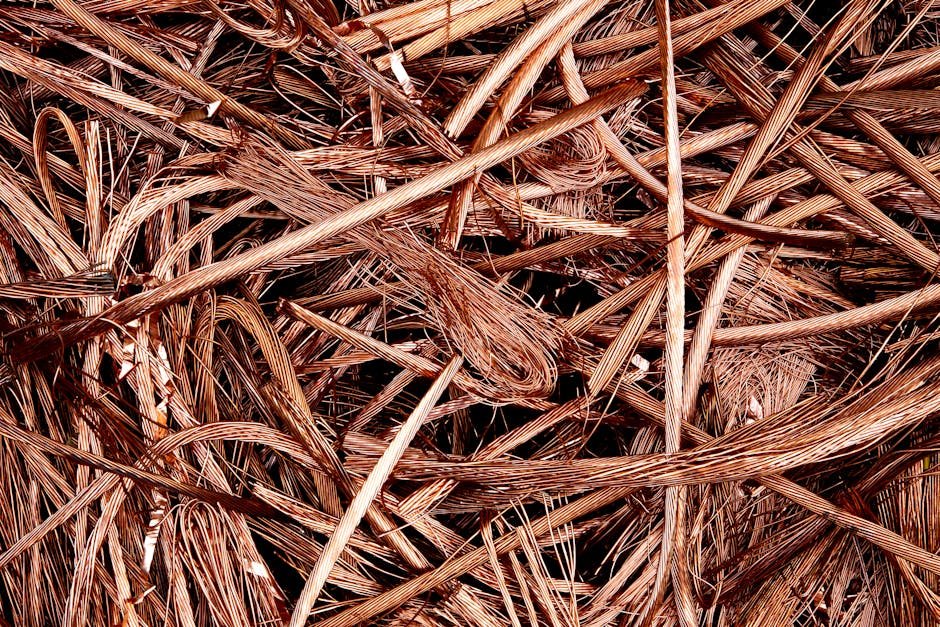
- Bare Bright Copper: This is the gold standard. It consists of unalloyed, uncoated, and unalloyed copper wire, stripped of all insulation. It must be clean and free of oxidation (no black or green tint).
- Number 1 Copper: This includes clean copper pipe and heavy-gauge wire that is free of solder, paint, or other attachments. It is slightly less valuable than bare bright but still commands a premium.
- Number 2 Copper: This grade includes copper that has been soldered, has paint on it, or has minor impurities. It is the most common grade found in general demolition work.
- Insulated Copper Wire: This is copper wire with the plastic coating still attached. The price is based on the “recovery rate”—the estimated amount of pure copper inside the plastic.
By properly sorting your scrap before visiting a facility, you avoid the lower “mixed” rate. If you are unsure where to start, you can find local resources through our guide on Scrap Copper Near Me Where To Sell Copper Scrap For The Best Price. For those working in larger teams or industrial sectors, joining a Copper Scrap Group can provide peer-to-peer insights on which yards are offering the best daily rates.
Factors Affecting the Cost of Copper
Several macro and micro factors dictate why the price fluctuates. Firstly, global supply chain disruptions can cause sudden spikes. If mining output in South America drops, the global supply tightens, and prices rise. Conversely, when global economic growth slows, the demand for industrial copper—used heavily in construction and electronics—decreases, leading to a dip in value.
Domestically, logistics costs are a major factor. The cost of transporting scrap from regional Victoria to a processing plant in Melbourne affects the price offered at the gate. Furthermore, the presence of contaminants like lead, iron, or plastic insulation increases the cost of processing, which is deducted from your payout. If you are dealing with other metals, you might also be interested in the latest Stainless Steel Scrap Price to ensure you are getting a fair deal across your entire inventory. For those operating outside of Victoria, it is worth noting that market conditions vary; for example, the scrap copper price qld may differ from Melbourne due to different logistics chains and local demand.
The Copper Recycling Process: From Scrap to Commodity
Copper recycling is a highly efficient, circular process. Unlike many other materials, copper can be recycled infinitely without losing its chemical or physical properties. When you drop off your copper, the process generally follows these steps:
- Collection and Weighing: Your scrap is weighed on certified scales to ensure accuracy.
- Sorting and Grading: Experts inspect the material to determine the grade (Bare Bright, #1, #2, etc.).
- Processing: This involves stripping insulation from wire using granulators or shredding larger pieces of copper pipe.
- Melting and Refining: The sorted copper is melted in high-temperature furnaces. Impurities are removed through electrolysis or oxidation, resulting in high-purity copper ingots or rods.
- Manufacturing: These refined products are sold back to manufacturers to create new electrical wiring, plumbing components, and automotive parts.
By choosing to recycle through reputable channels like Scrap Trade Australia, you are contributing to a sustainable cycle that reduces the need for energy-intensive copper mining.
Environmental Benefits of Copper Recycling
Recycling copper is one of the most environmentally impactful decisions a business can make. Mining raw copper ore is an incredibly destructive process that requires massive land excavation, water usage, and energy consumption. Furthermore, the smelting of raw ore releases significant greenhouse gases and sulfur dioxide.
In contrast, recycling copper requires up to 85% less energy than producing it from virgin ore. By keeping copper out of landfills, we prevent heavy metals from leaching into the soil and groundwater. In a modern circular economy, every kilogram of recycled copper represents a reduction in the carbon footprint of the Australian construction and technology sectors. As a scrap metal provider, you are not just making money; you are actively participating in the preservation of natural resources.
Practical Tips for Sellers
To ensure you get the best value, follow these expert tips:
- Keep it clean: Always remove non-copper attachments like steel fittings, brass valves, or heavy plastic connectors.
- Strip your wires: If you have the time and the right tools, stripping insulation from thick copper wire can significantly increase its grade from ‘Insulated’ to ‘Bare Bright’.
- Sort before you arrive: Do not mix your grades. A bucket of mixed copper will usually be valued at the lowest grade in the container.
- Watch the market: Use online tools to monitor metal prices today. If the market is trending upward, it may be worth holding onto your stock for a few extra days.
- Build relationships: If you are a regular trader, talk to the yard manager. High-volume, consistent suppliers often negotiate better rates than one-time sellers.
By treating your scrap metal collection as a professional business operation, you can maximize your returns and ensure you are always getting the best possible price for your materials.
Future Trends in the Copper Market
The future of the copper market is inextricably linked to the global transition toward renewable energy. Copper is the “metal of electrification.” It is essential for electric vehicles (EVs), wind turbines, solar panels, and battery storage systems. As Australia and the world move toward net-zero emissions, the demand for copper is projected to skyrocket.
This long-term demand suggests that the value of copper will remain robust over the coming decade. For those in the scrap industry, this means that the infrastructure for recycling will continue to grow, with more advanced technology being deployed to recover copper from complex electronic waste (e-waste). Staying informed about these trends will help you position your scrap business to take advantage of the coming “green boom” in metal demand.
Conclusion
Navigating the copper scrap market requires a blend of market awareness, proper sorting techniques, and choosing the right partners. Whether you are dealing with high-grade copper wire or standard copper pipe, the effort you put into cleaning and grading your material will pay off at the scales. By staying updated on the copper scrap price Melbourne and understanding the environmental and economic value of your scrap, you can turn a waste management challenge into a reliable revenue stream. Remember to check local market reports frequently and maintain a professional relationship with your local recycling facility to ensure you are always ahead of the curve.
Frequently Asked Questions
How often do copper scrap prices change?
Copper scrap prices fluctuate daily, and sometimes hourly, based on the London Metal Exchange (LME) and currency exchange rates. It is best to check current rates on the day you plan to sell.
Is it worth stripping insulation off copper wire?
Yes, if you have the proper tools, stripping insulation significantly increases the grade of the copper from insulated wire to bare bright, which commands a much higher price per kg.
What is the difference between Number 1 and Number 2 copper?
Number 1 copper is clean, unalloyed, and free of solder or paint. Number 2 copper contains minor impurities like solder, paint, or oxidation, which lowers its value compared to Number 1.
Why does the price of scrap copper vary between different yards?
Prices vary based on the yard’s overhead costs, their processing capabilities, the volume of material they handle, and their proximity to major export or manufacturing hubs.