
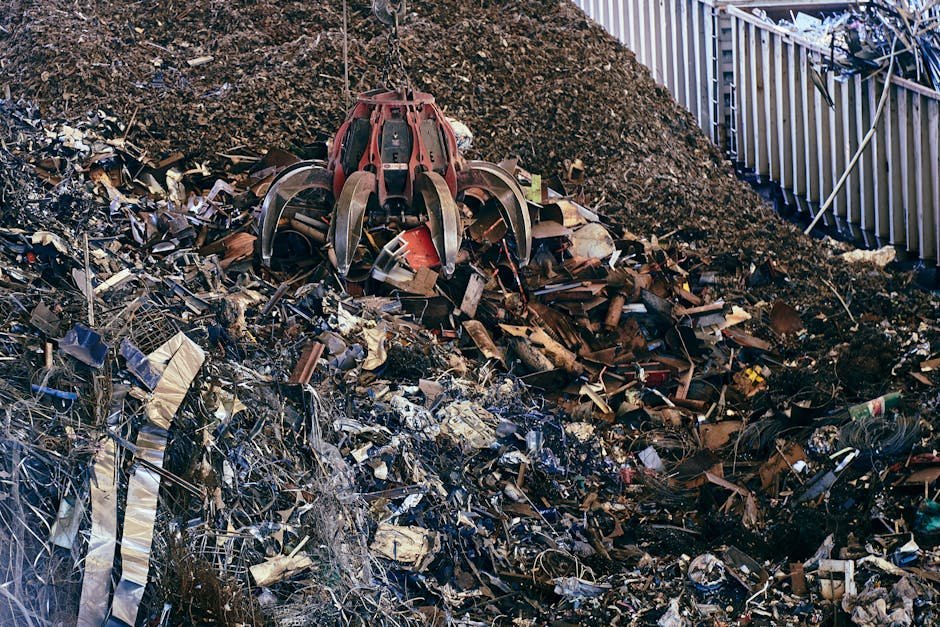

Navigating the landscape of scrap metal melbourne bayswater requires a deep understanding of market dynamics, material classification, and the logistical advantages of operating within the Southeast Melbourne industrial corridor. As the city continues to expand, the demand for efficient metal recovery has never been higher, making it essential for businesses and residents alike to understand how to optimize their scrap management.
The Strategic Importance of Scrap Metal Melbourne Bayswater
Bayswater serves as a critical hub for industrial activity in Victoria. Its proximity to the Melbourne metro area and its status as a gateway to the outer suburbs makes it an ideal location for high-volume metal recycling. When you look to Sell Scrap Metal Near Me In 2026, understanding the local infrastructure is key. The industrial density of Southeast Melbourne allows for streamlined logistics, reducing the carbon footprint associated with transporting heavy materials from production sites to processing facilities.
For businesses, managing scrap is not just about waste disposal; it is about supply chain sustainability. By partnering with a reputable recycling platform, companies in Bayswater can ensure that their byproduct is handled according to Victorian environmental regulations. This is where tracking current scrap metal prices melbourne becomes vital. Whether you are dealing with copper offcuts from electrical contracting or heavy structural steel from demolition projects, the value of your scrap is dictated by global commodity markets filtered through local demand.
Understanding Metal Grades and Classification
Not all scrap is created equal. To maximize your return, you must understand how recyclers grade materials. Ferrous metals, such as iron and steel, are magnetic and generally lower in value per kilogram than non-ferrous metals. Non-ferrous metals—including copper, aluminium, brass, and stainless steel—are the high-value commodities that drive the industry.
When you participate in Scrap Metal Recycling Near Me programs, you will find that purity is the primary factor in grading. For example, clean copper piping is worth significantly more than copper wire with insulation still attached. This is because the recycling process for insulated wire requires mechanical stripping or burning, which adds labor and environmental costs. Similarly, in the context of sims scrap metal prices melbourne, mixed loads often fetch lower prices than sorted, clean loads. By segregating your metals at the source, you can significantly improve the payout you receive.
- Copper: Categorized into Bright & Shiny, Millberry, and Burnt.
- Aluminium: Sorted into Cast, Extrusion, and Sheet.
- Brass: Separated based on contamination levels and alloy composition.
- Steel: Graded by thickness and size, such as Heavy Melting Steel (HMS).
By maintaining a clean scrap yard or workshop, you ensure that your materials are ready for immediate processing, which is the most effective way to secure the best Scrap Metal Prices in the current market.
The Lifecycle of Metal Recycling in Victoria
The recycling process in Victoria is a sophisticated operation that transforms discarded items into valuable raw materials. Once scrap arrives at a facility in the Southeast Melbourne region, it undergoes a rigorous sorting process. This often involves magnetic separators for ferrous materials and eddy current separators for non-ferrous materials. Advanced facilities may even use X-ray fluorescence (XRF) analyzers to determine the exact alloy composition of high-value scrap.
For those interested in the broader industry, professional scrap metal trading platforms provide the transparency needed to understand these complex supply chains. After sorting, the metal is shredded or sheared to reduce volume, making it easier to transport to smelters. These smelters then melt the scrap down into ingots or billets, which are sold back to manufacturers. This circular economy is what makes the scrap metal melbourne bayswater ecosystem so sustainable. By keeping metal in the loop, we avoid the energy-intensive process of mining virgin ores, which requires massive amounts of water and electricity.
Environmental Benefits and Sustainability
The environmental impact of recycling scrap metal cannot be overstated. Producing aluminium from recycled scrap uses approximately 95% less energy than producing it from bauxite ore. For steel, the energy savings are around 75%. In the context of Victoria’s commitment to net-zero emissions, the role of local scrap yards is pivotal. Every tonne of steel recycled saves over a tonne of carbon dioxide emissions that would otherwise be generated during the extraction and refinement of iron ore.
Furthermore, recycling prevents hazardous materials from leaching into the soil and groundwater in the inner and outer suburbs. Improper disposal of electronic waste and heavy machinery can lead to long-term environmental degradation. By utilizing established recycling channels, businesses in Bayswater contribute to a cleaner, greener Victoria. It is a tangible way for local industry to demonstrate corporate social responsibility while simultaneously generating revenue.
Logistics and Operations in Southeast Melbourne
Operating a scrap business in the Melbourne metro area requires precise logistics. The geography of Southeast Melbourne provides unique advantages, including access to major arterial roads that connect industrial zones to the Port of Melbourne. For businesses generating large volumes of scrap, choosing a partner that offers reliable bin services and prompt collection is essential. A well-managed collection service ensures that your site remains safe and compliant, preventing the buildup of hazardous waste.
When selecting a service provider, look for those who utilize modern fleet management and transparent weighing systems. You should always receive a detailed docket that outlines the weight and grade of the material provided. This level of professionalism is what separates top-tier recyclers from the rest of the market. Whether you are in the heart of the inner suburbs or the expanding industrial estates of the outer suburbs, the efficiency of your scrap removal process directly impacts your bottom line.
Future Trends in the Scrap Metal Industry
The industry is currently undergoing a digital transformation. We are seeing the rise of online platforms that allow for real-time price tracking and automated booking of collections. These tools are changing how the scrap metal melbourne bayswater market operates, making it easier than ever for small businesses to participate in the circular economy. As we look toward 2026 and beyond, the integration of blockchain for material traceability will likely become the standard, ensuring that the origins of scrap metal are verified and ethical.
Additionally, as global demand for electric vehicles and renewable energy infrastructure grows, the demand for specific metals like copper and lithium-ion batteries will skyrocket. Recyclers who can adapt to these new material streams will be at the forefront of the industry. Staying informed through resources like the leading industry portal will be crucial for anyone looking to capitalize on these emerging trends.
Practical Tips for Maximizing Scrap Returns
To get the most out of your scrap, follow these expert-level tips:
- Segregation is King: Never mix your metals. Keep copper, brass, and aluminium in separate bins.
- Remove Contaminants: Take the time to remove plastic, rubber, and wood from your metal. A clean load is always worth more.
- Understand Market Cycles: Prices fluctuate based on global supply and demand. If you have the storage space, hold onto non-perishable scrap until market conditions are favourable.
- Build Relationships: Establishing a long-term relationship with a reputable buyer can lead to better service and more consistent pricing.
- Safety First: Always follow site safety protocols when handling heavy metal. Use appropriate PPE and ensure your scrap is stacked securely to avoid injury.
By treating your scrap as a valuable commodity rather than waste, you shift your perspective from disposal to resource management. This shift is the hallmark of a successful business operating in the competitive landscape of Victoria.
Conclusion: The Path Forward
The scrap metal industry in Bayswater is a vital component of Victoria’s economic and environmental infrastructure. From the small-scale collection of copper wire to the large-scale demolition of industrial facilities, every piece of metal recovered helps conserve natural resources and supports the transition to a sustainable future. By understanding the grades of metal, staying updated on market pricing, and choosing the right partners for collection and processing, you can ensure that your scrap metal management is both profitable and environmentally responsible. As Melbourne continues to grow, the importance of these local recycling hubs will only increase, solidifying the role of the scrap industry as a pillar of our modern economy.
Frequently Asked Questions
What is the most valuable type of scrap metal?
Non-ferrous metals, particularly copper, are generally the most valuable. High-grade items like clean copper piping or bright and shiny copper wire consistently fetch the highest prices per kilogram.
How can I get the best scrap metal prices in Melbourne?
To get the best prices, ensure your metal is clean, free of contaminants like plastic or insulation, and sorted by type. Building a relationship with a trusted local recycler can also help you secure better rates.
Does the location of the scrap yard matter?
Yes, choosing a recycler within the Melbourne metro area or Southeast Melbourne reduces transport costs and carbon emissions. Proximity to your site ensures faster collection times and better logistics management.
Why is it important to separate ferrous and non-ferrous metals?
Ferrous metals are magnetic and have a lower value, while non-ferrous metals are non-magnetic and highly valuable. Separating them ensures you receive the correct market rate for each specific material type.