
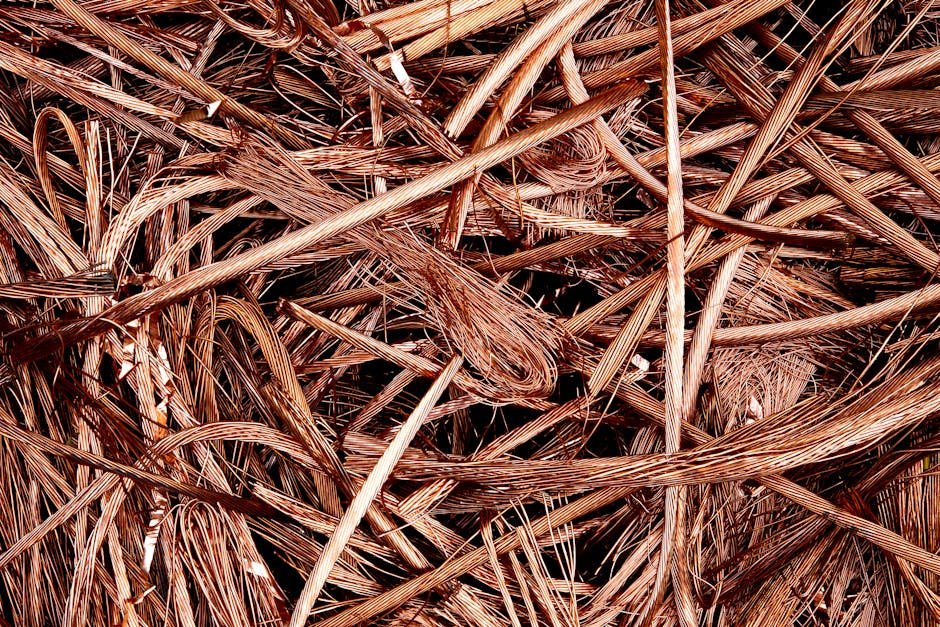

When it comes to scrap copper recycling Chullora, understanding the nuances of the metal market is the difference between a minor payout and a significant return on investment. As a central hub for industrial and commercial activity in Sydney, Chullora presents a unique landscape for both contractors and individual recyclers to participate in the circular economy. Whether you are dealing with demolition debris, electrical fit-outs, or plumbing upgrades, the ability to identify, sort, and process your copper effectively is paramount.
For those operating in the region, navigating the logistics of metal recovery is essential. If you are looking for a Scrap Metal Recycling Near Me, you need to ensure the facility is equipped to handle high-volume transactions with transparency. Proper management of your scrap doesn’t just benefit your bottom line; it supports a sustainable industrial ecosystem. For those interested in the broader industry, understanding the difference between Scrap Trading Vs Recycling Business can help you decide how to best approach your metal collection efforts.
Understanding Copper Grades: What You Need to Know
Not all copper is created equal in the eyes of a recycler. The value of your scrap is determined by its purity, oxidation levels, and the presence of contaminants like insulation, solder, or other metals. To get the best copper price per kg, you must learn to categorize your materials correctly.
- Bare Bright Copper: This is the gold standard. It consists of unalloyed, uncoated, and unplated copper wire that is clean and free of any oxidation or insulation. It is typically 16-gauge or thicker.
- Number 1 Copper: This includes clean, unalloyed copper pipe and wire that is free of solder, paint, or other coatings. It may show slight signs of oxidation but must remain free of impurities.
- Number 2 Copper: This grade includes copper that has been compromised by solder, paint, or other minor contaminants. It often includes burnt wire or copper pipe that has been used in plumbing systems and still has fittings attached.
- Copper Wire (Insulated): The value here depends on the recovery rate of the copper inside. Thin, multi-strand wire is often worth less per kilogram than thick, single-strand industrial cables because the weight of the plastic insulation is high compared to the copper content.
By effectively separating your scrap, you ensure that you aren’t being paid at the lower ‘Number 2’ rate for high-value ‘Bare Bright’ materials. This is a fundamental skill for anyone involved in the Copper Scrap Group, where precision in sorting is highly valued.
The Process: How Scrap Copper Recycling Chullora Works
The journey from a construction site in Chullora to a recycled commodity involves several critical steps. First, the material is collected and transported to a processing facility. Here, the scrap is weighed on certified scales to ensure accurate payment. Once accepted, the material is sorted by hand or by using advanced technology like X-ray fluorescence (XRF) scanners to determine exact chemical composition.
After sorting, the copper is often stripped of its insulation if it is in the form of wire. Large industrial shredders may be used to break down the material into smaller, manageable pieces, which are then cleaned of non-metallic contaminants using magnetic separators or air classification systems. This refined copper is then melted down in furnaces, cast into ingots, and sold to manufacturers to be turned into new products. This closed-loop system is why copper is one of the most recycled materials on the planet. For those seeking professional services, visiting Scraptrade provides the resources needed to manage these logistics efficiently.
Environmental and Economic Benefits
The environmental impact of recycling copper is staggering. Mining virgin copper ore is an energy-intensive process that involves massive excavation, chemical leaching, and significant carbon emissions. In contrast, recycling copper uses up to 85% less energy than producing it from raw ore. By engaging in scrap copper recycling Chullora, you are directly contributing to the reduction of mining waste and the preservation of natural landscapes.
From an economic perspective, the copper market is a global indicator of industrial health. Copper is used in everything from high-speed data cables and renewable energy infrastructure to electric vehicles and home appliances. As the world transitions toward green energy, the demand for copper is skyrocketing. By recycling, you are helping to stabilize the supply chain, reducing the need for new mining projects and keeping valuable resources in circulation. You can learn more about how to optimize your trade by visiting the Scrap Trade platform for the latest market insights.
Geographic Context: Why Chullora Matters
Chullora is strategically positioned as a logistical hub in Sydney’s West. Its proximity to major arterial roads and industrial zones makes it an ideal location for scrap processing. For contractors working in nearby suburbs, the options are plentiful. If you are specifically looking for scrap copper recycling lidcombe, you will find that the proximity to Chullora allows for seamless transport of heavy loads. Similarly, those located slightly further out can easily access scrap copper recycling belmore facilities that feed into the larger regional network. This interconnectedness ensures that whether you are a small-scale collector or a large commercial demolition firm, you have access to competitive pricing and efficient processing services.
Maximizing Your Returns: Practical Tips
To ensure you walk away with the best possible payout, follow these expert tips:
- Keep it clean: Always remove non-copper attachments before heading to the yard. Steel fittings, brass valves, and plastic insulation significantly reduce the grade of your scrap.
- Sort before you arrive: Don’t mix your grades. A bucket of mixed copper will almost always be valued at the lowest common denominator—the ‘Number 2’ price.
- Monitor the market: Copper prices fluctuate daily based on the London Metal Exchange (LME). Check the current market trends before selling large volumes.
- Build relationships: If you are a regular supplier, talk to the yard manager. High-volume, consistent suppliers are often eligible for better rates than one-time sellers.
- Safety first: Copper can have sharp edges. Always wear gloves and protective footwear when handling scrap.
By treating your scrap metal like a commodity rather than waste, you shift your mindset from ‘getting rid of junk’ to ‘liquidating assets.’ This is the hallmark of a professional scrap trader.
The Future of Copper Recycling
As we look toward 2030, the demand for copper is expected to double due to the electrification of the global economy. This puts immense pressure on recycling facilities to increase their recovery rates. Innovations in automated sorting, such as AI-driven optical sorters, are already being deployed in top-tier facilities. These machines can distinguish between different alloys of copper in milliseconds, ensuring that purity levels remain high even with complex scrap streams.
Furthermore, the shift toward ‘urban mining’—the process of recovering metals from old electronics (e-waste) and infrastructure—is becoming a major focus. Copper wire recovered from decommissioned telecommunications networks is a significant source of high-grade copper. As these technologies evolve, the process of scrap copper recycling Chullora will become even more streamlined, offering better returns for those who stay informed and participate in the system.
Conclusion
Recycling copper is more than just a way to make extra money; it is a vital component of a sustainable future. By understanding the different grades, keeping your materials clean, and choosing the right partners, you can maximize your returns while minimizing your environmental footprint. Whether you are a plumber, an electrician, or a demolition contractor, the value of your scrap is waiting to be realized. Use the resources available at our platform to stay updated on pricing and industry best practices. Remember, every kilogram of copper you recycle is a step toward a more efficient, resource-conscious Australia.
Frequently Asked Questions
- Question: How do I know if my copper is ‘Bare Bright’ or ‘Number 2’?
Answer: Bare Bright is shiny, unoxidized, and free of any insulation or coatings. Number 2 copper is typically duller, may have signs of oxidation, or contains small amounts of solder or other impurities. - Question: Does the copper price per kg change daily?
Answer: Yes, copper is a globally traded commodity, and its price fluctuates based on the London Metal Exchange. It is best to check current rates on the day you plan to sell your scrap. - Question: Should I strip my copper wire before recycling it?
Answer: It depends on the thickness of the wire and the cost of labor. Often, if you have a high volume of thick cable, the extra money earned from selling ‘Bare Bright’ copper outweighs the time spent stripping the insulation. - Question: Can I bring mixed scrap to the recycling yard?
Answer: While most yards will accept mixed loads, you will receive a much lower price because the staff will have to spend time sorting it for you. It is highly recommended to sort your materials beforehand to maximize your profit.
Frequently Asked Questions
How do I know if my copper is ‘Bare Bright’ or ‘Number 2’?
Bare Bright is shiny, unoxidized, and free of any insulation or coatings. Number 2 copper is typically duller, may have signs of oxidation, or contains small amounts of solder or other impurities.
Does the copper price per kg change daily?
Yes, copper is a globally traded commodity, and its price fluctuates based on the London Metal Exchange. It is best to check current rates on the day you plan to sell your scrap.
Should I strip my copper wire before recycling it?
It depends on the thickness of the wire and the cost of labor. Often, if you have a high volume of thick cable, the extra money earned from selling ‘Bare Bright’ copper outweighs the time spent stripping the insulation.
Can I bring mixed scrap to the recycling yard?
While most yards will accept mixed loads, you will receive a much lower price because the staff will have to spend time sorting it for you. It is highly recommended to sort your materials beforehand to maximize your profit.