
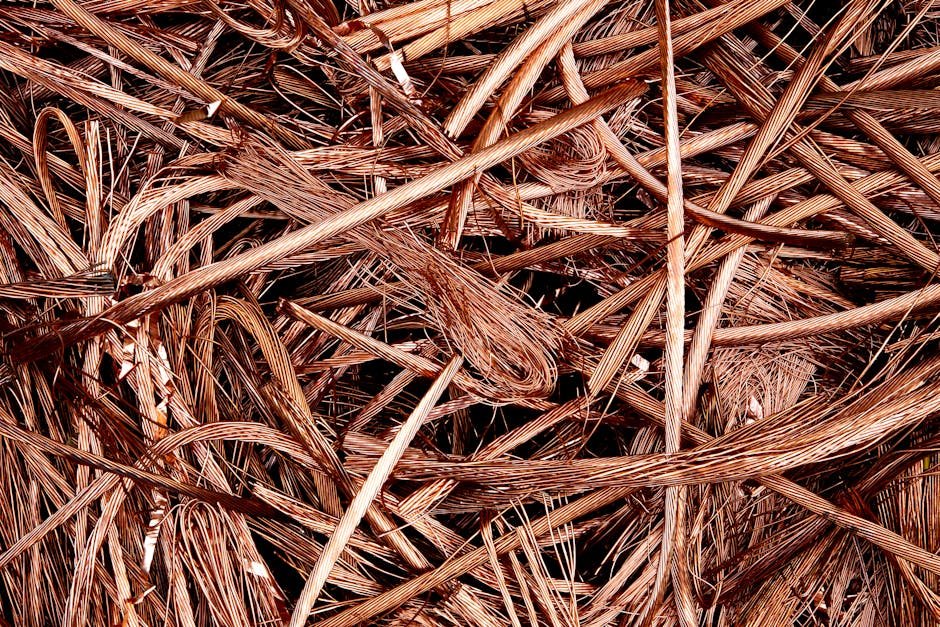

When engaging in scrap copper recycling Cabramatta, understanding the nuances of material grading and market fluctuations is essential for maximizing your financial return. As Australia’s industrial landscape shifts toward more sustainable practices, the role of local recycling hubs has become pivotal. Whether you are a trade professional clearing a job site or a homeowner with leftover plumbing materials, knowing how to identify and prepare your scrap is the first step toward a profitable transaction.
Understanding the Value of Copper Grades
Copper is one of the most sought-after industrial metals globally due to its high conductivity and infinite recyclability. In the scrap market, value is dictated by purity and the presence of contaminants. The most premium grade is bare bright copper, which consists of clean, unalloyed, uncoated, and uninsulated wire—typically 16-gauge or thicker—that is free of oxidation. This material commands the highest copper price per kg because it requires minimal processing to be melted down into new products.
Below bare bright, we find various classifications that determine your payout. For instance, copper pipe that is clean and free of solder or paint is highly valued. Conversely, number 2 copper includes materials that have some level of contamination, such as light oxidation, paint, or solder joints. Sorting your materials correctly before visiting a facility is a fundamental skill in the Scrap Trading Vs Recycling Business sector. By separating your high-grade wire from lower-grade plumbing scraps, you avoid the ‘mixed’ pricing tier, which is always lower than the value of pure, sorted materials.
The Logistics of Scrap Copper Recycling Cabramatta
For businesses operating in Sydney’s southwest, efficiency is key. Managing waste logistics can be a significant overhead, which is why utilizing professional services for scrap copper recycling Cabramatta is a strategic move. Many contractors prioritize scrap copper pick up cabramatta to keep their sites clean and safe, ensuring that valuable metal does not end up in a landfill. When you opt for a professional collection, you are not just disposing of waste; you are participating in a sophisticated supply chain.
If you are searching for a reliable partner, consider the Copper Scrap Group, which specializes in the aggregation and processing of non-ferrous metals. For those who prefer to drop off materials, finding Scrap Metal Recycling Near Me is the most common approach. However, for large-scale demolition or renovation projects, scheduling a cabramatta scrap copper pick up is often more cost-effective, saving you time and transportation costs while ensuring that your copper is weighed and paid for accurately on-site.
The Science and Process of Recycling Copper
The recycling process is a marvel of modern engineering. Once collected, copper scrap is transported to a processing facility where it undergoes a rigorous sorting phase. Advanced technology, including X-ray fluorescence (XRF) analyzers and magnetic separation, is used to detect impurities. Even the plastic insulation on copper wire is stripped using industrial granulators, which separate the copper granules from the plastic casing for separate recycling streams.
Once the copper is cleaned and sorted, it is melted in large furnaces. Because copper does not lose its chemical or physical properties during the melting process, it can be recycled indefinitely. This is the cornerstone of the scrap metal trading platform, which connects suppliers with international foundries. By feeding recycled copper back into the manufacturing cycle, we drastically reduce the energy consumption associated with mining virgin ore, which is a resource-intensive and environmentally taxing process.
Environmental Benefits of Circular Metal Economies
The environmental impact of recycling copper cannot be overstated. Mining virgin copper involves open-pit excavation, massive water consumption, and the release of greenhouse gases. In contrast, recycling copper requires up to 85% less energy than producing it from raw ore. By prioritizing scrap copper recycling Cabramatta, the local community contributes to a significant reduction in Australia’s carbon footprint.
Furthermore, recycling prevents heavy metals from leaching into the soil and groundwater. When scrap is left in general waste, it contributes to the toxic runoff associated with landfills. Responsible recycling ensures that copper remains in the economy, supporting the production of everything from electrical grids and renewable energy infrastructure to high-end consumer electronics. This closed-loop system is essential for a sustainable future, and every kilogram recycled makes a tangible difference.
How to Prepare Your Copper for Maximum Profit
To get the best copper price per kg, preparation is everything. First, strip any heavy insulation from your wires if you have the tools to do so; while insulated wire still holds value, bright, clean copper will always fetch a premium. Second, keep your copper dry and stored under cover to prevent oxidation. While light oxidation is common, heavy corrosion can downgrade your material to a lower price bracket.
Third, keep your metals separated. Mixing brass, aluminum, or steel with your copper will result in a lower overall price, as the recycling facility will have to spend time and money separating these contaminants. If you are unsure about the grade of your material, it is always best to consult with a professional at a reputable Australian scrap metal trading hub. They can provide guidance on how to optimize your haul, ensuring you walk away with the best possible return on your investment.
Market Trends and Future Outlook
The global demand for copper is currently driven by the transition to electric vehicles (EVs) and the expansion of renewable energy grids. As a result, the long-term outlook for scrap copper prices remains strong. Understanding these market trends is vital for anyone involved in the scrap industry. When global demand spikes, local recycling centers often adjust their buying prices to reflect the international spot market.
Staying informed about these fluctuations is part of being an expert in the field. By tracking the market, you can decide when to hold onto your scrap and when to sell. This proactive approach turns scrap collection from a chore into a legitimate revenue stream. Whether you are a small-scale collector or a large industrial contractor, the principles of market awareness, proper sorting, and professional partnership remain the same.
Safety and Compliance in Scrap Handling
Working with scrap metal involves inherent risks, including sharp edges, heavy lifting, and potential exposure to hazardous materials. Always wear appropriate personal protective equipment (PPE), such as thick gloves and steel-toed boots, when handling scrap. Additionally, ensure that your storage area is secure and that you are complying with local Cabramatta council regulations regarding the storage of industrial waste.
Professional recyclers are strictly regulated to ensure environmental compliance. When you choose a certified recycling partner, you are ensuring that your materials are handled in accordance with Australian environmental laws. This provides peace of mind that your scrap is not being illegally dumped or processed in an unsafe manner. Always check for proper licensing and certifications before establishing a long-term partnership with a scrap metal facility.
Conclusion: Why Local Recycling Matters
The journey of a piece of scrap copper from a demolition site in Cabramatta to a high-tech manufacturing plant is a testament to the efficiency of the circular economy. By understanding the grades, the logistics, and the environmental impact, you become an active participant in a global movement toward sustainability. Whether you are looking for a quick payout or building a long-term relationship with a recycling partner, the key is to stay informed and professional.
Remember that every piece of copper you recycle is a resource that does not need to be mined. By choosing to recycle locally, you support the Cabramatta economy and contribute to a cleaner, more efficient industrial sector. For those ready to take the next step, reach out to local experts, organize your materials, and take advantage of the professional collection services available to streamline your recycling process. The future of metal is circular, and it starts with your next scrap collection.
Frequently Asked Questions
Frequently Asked Questions
What is the difference between bare bright and number 2 copper?
Bare bright copper consists of clean, uninsulated, and unoxidized wire, making it the highest-valued grade. Number 2 copper includes wire or pipe that has some contamination, such as paint, solder, or light oxidation, which lowers its market value.
How can I get the best price for my scrap copper?
To maximize your return, ensure your copper is clean, free of contaminants like plastic or steel, and sorted by grade. Storing it in a dry place to prevent heavy oxidation also helps maintain its value.
Are there services for scrap copper pick up in Cabramatta?
Yes, many professional recycling services offer pick-up options for businesses and large-scale projects in the Cabramatta area. This service helps manage waste logistics and ensures your scrap is handled safely and efficiently.
Why is copper recycling important for the environment?
Recycling copper uses up to 85% less energy than mining and refining virgin ore. It also prevents heavy metals from entering landfills and preserves natural resources by keeping metal in the supply chain indefinitely.