

When it comes to scrap copper recycling Lakemba, understanding the nuances of the market is essential for both commercial contractors and residential renovators. Copper is one of the most valuable non-ferrous metals in the Australian economy, and its infinite recyclability makes it a cornerstone of the circular economy. Whether you are clearing out a job site in Sydney’s inner west or managing industrial waste, knowing how to identify, sort, and trade your copper can lead to significant financial gains. This guide serves as your comprehensive resource for navigating the local market, understanding pricing structures, and ensuring your materials meet the standards required by professional refineries.
Understanding Copper Grades: What Are You Selling?
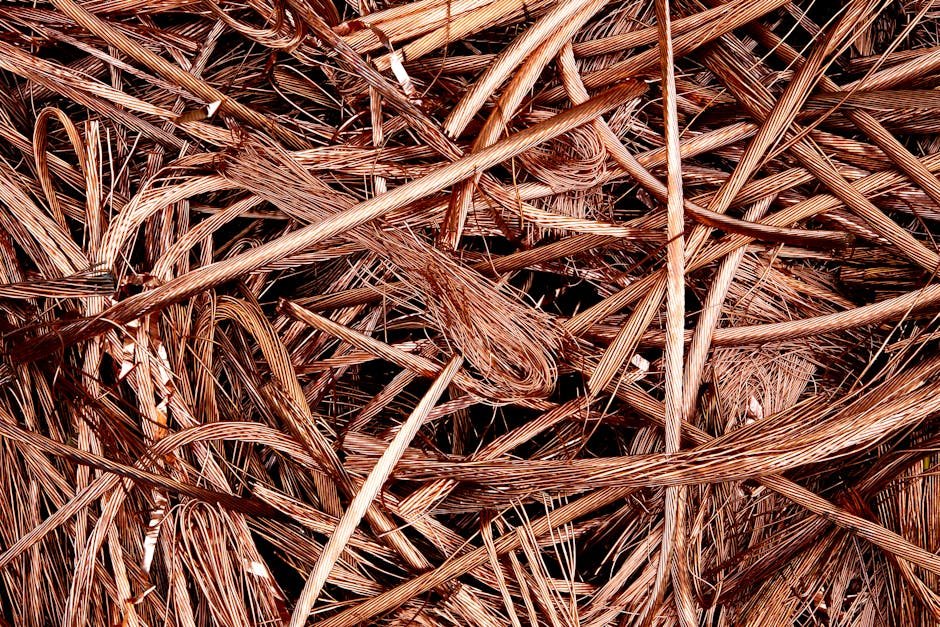
The value of your scrap is dictated entirely by its purity. In the industry, we categorize copper into specific grades to ensure the smelting process is efficient. The most highly sought-after material is bare bright copper. This consists of clean, unalloyed, uncoated, and uninsulated copper wire, typically 16 gauge or thicker. It is free of oxidation, paint, or solder, making it the most valuable grade because it can be melted down with minimal processing.
Next, we encounter number 2 copper. This grade includes copper that has some level of contamination, such as light oxidation, solder, or paint. It is still highly valuable but requires more intensive refining compared to bare bright. When you are sorting your materials for scrap copper recycling Lakemba, keeping these grades separate is the single most effective way to increase your payout. Mixing high-grade copper with lower-grade materials often results in the entire batch being downgraded to the lowest common denominator.
Beyond wire, you will frequently encounter copper pipe. Plumbing scrap is a staple of the industry. To maximize its value, ensure that the pipe is free of brass fittings, plastic attachments, or excessive lime buildup. If you are handling large quantities, it is vital to understand the difference between clean pipe and dirty pipe, as the latter will fetch a lower price at the scales. For those operating across different regions, you might also find resources for scrap copper recycling berala or scrap copper recycling homebush to manage logistics effectively in nearby suburbs.
The Economics of Copper: Understanding Price per Kg
The copper price per kg is a fluctuating figure influenced by global demand, particularly in the construction and electronics sectors. Because copper is a global commodity, local prices in Lakemba are tethered to the London Metal Exchange (LME). When global manufacturing demand spikes, so does the price you receive at the yard. It is important to monitor these trends if you are holding large volumes of material.
Many sellers find themselves asking whether they should engage in simple recycling or move toward a more professional trading model. We have developed a detailed resource on Scrap Trading Vs Recycling Business to help you decide which path aligns with your financial goals. Professional traders often hold inventory during market dips and sell during peaks, whereas casual recyclers typically look for immediate liquidity. Regardless of your approach, the quality of your sorting remains the primary driver of your profit margin.
If you are looking to connect with others in the industry, joining a Copper Scrap Group can provide invaluable insights into market movements, local yard reputations, and logistics tips. Staying informed is the best way to ensure you are getting a fair deal. When you are ready to sell, finding a reputable Scrap Metal Recycling Near Me is the final step in the process. Always prioritize yards that provide transparent weighing processes and clear pricing structures.
How the Recycling Process Works
The journey of a piece of scrap copper from a demolition site to a new product is a marvel of industrial efficiency. Once the material is collected, it undergoes a rigorous sorting process. Automated machines, such as eddy current separators, are used to pull non-ferrous metals away from plastics and steel. For wire, specialized stripping machines remove the insulation, separating the valuable copper core from the PVC or rubber casing.
After sorting, the copper is shredded into smaller pieces to increase its surface area. This material is then melted in furnaces at temperatures exceeding 1,085 degrees Celsius. The molten copper is then cast into ingots or billets, which are transported to manufacturers to be drawn into new wire, pipe, or sheet metal. This process uses up to 85% less energy than extracting virgin copper from ore, making it an environmental imperative. By participating in scrap copper recycling Lakemba, you are actively contributing to the reduction of carbon emissions and the preservation of natural landscapes that would otherwise be destroyed by open-pit mining.
Environmental Benefits of Copper Recycling
Copper is one of the few materials that can be recycled indefinitely without losing its chemical or physical properties. This makes it a perfect candidate for a circular economy. Mining virgin copper is an energy-intensive and environmentally destructive process. It involves massive land clearing, water consumption, and the generation of toxic tailings. By choosing to recycle, we significantly reduce the need for new mining operations.
Furthermore, recycling copper helps manage the growing challenge of electronic waste (e-waste). As our society becomes increasingly digital, the amount of copper embedded in discarded electronics is staggering. Professional recycling facilities ensure that this copper is recovered safely, preventing hazardous materials often found in electronics—such as lead or brominated flame retardants—from leaching into the soil or groundwater in landfills. When you recycle, you are not just making money; you are participating in a global effort to conserve finite resources for future generations.
Practical Tips for Maximizing Your Scrap Returns
To ensure you get the best possible price, preparation is key. Here are some expert tips for handling your copper scrap:
- Strip your wire: While it takes time, removing the plastic insulation from copper wire can significantly increase its value. Ensure you have the right stripping tools to prevent damaging the copper inside.
- Keep it clean: Remove any non-copper attachments, such as steel screws, plastic connectors, or iron valves. Contamination is the number one reason for price downgrades.
- Store it properly: Keep your scrap in a dry, covered area. Oxidation (the green patina) can occur if copper is left exposed to the elements for long periods, which may lead to a lower grade classification.
- Sort by grade: Never mix your high-grade bare bright copper with lower-grade number 2 copper. Keep them in separate bins to ensure you are paid the highest rate for each grade.
- Build relationships: If you are a regular supplier, talk to the yard manager. Establishing a long-term relationship can lead to better pricing and more efficient drop-off processes.
- Stay informed: Follow industry news and track the LME copper prices to understand when it is the best time to sell your accumulated scrap.
For more information on general industry practices, visit Scrap Trade for the latest updates in the industry. Additionally, you can explore professional services at Scrap Trade Australia to find specialized advice for your specific scrap volumes and logistics needs.
The Future of the Scrap Industry in Australia
The Australian scrap metal industry is undergoing a significant transformation driven by automation and a stronger focus on environmental compliance. As regulatory standards tighten, the importance of transparent, ethical recycling practices grows. Businesses that prioritize high-quality sorting and sustainable processing are becoming the leaders in the market. For the individual trader, this means that the market is becoming more professionalized and reliable.
Technology, such as handheld X-ray fluorescence (XRF) analyzers, is now commonly used by yards to instantly verify the composition of metals. This removes the guesswork and ensures that you are paid accurately for the specific alloy or grade you are providing. As we look toward a future with higher demand for renewable energy infrastructure—which requires vast amounts of copper for wind turbines, solar panels, and electric vehicle batteries—the role of the local scrap trader will only become more vital. By engaging in responsible recycling today, you are supporting the infrastructure of tomorrow.
Safety and Compliance in Metal Handling
Safety should always be your top priority when handling scrap metal. Copper can have sharp edges, and stripping wire involves the use of blades or machinery that can cause injury. Always wear appropriate personal protective equipment (PPE), including heavy-duty gloves, safety glasses, and steel-capped boots. Furthermore, be aware of the weight of your materials; use proper lifting techniques or mechanical aids to avoid back injuries.
Compliance is equally important. Ensure that you are trading with licensed facilities that adhere to local environmental regulations. This protects you from potential legal issues and ensures that your scrap is being processed in a way that meets Australian standards. A reputable yard will always provide a clear receipt and follow strict safety protocols during the unloading and weighing process. If you encounter a facility that seems disorganized or refuses to provide transparency, it is best to look elsewhere.
Conclusion: Taking Action
The scrap copper market offers a unique opportunity to turn waste into wealth while contributing to a healthier planet. By understanding the different grades, keeping your materials clean, and staying informed about market prices, you can maximize your returns and become a more effective participant in the recycling economy. Whether you are a small-scale recycler or a large commercial operator, the principles of quality and consistency remain the same.
As you continue to explore the industry, remember that the value of your scrap is not just in the metal itself, but in the effort you put into preparing it. Take the time to sort correctly, keep your materials dry, and build strong relationships with your local yards. With the right approach, you can turn your scrap copper into a consistent revenue stream while supporting the essential work of environmental conservation. Start today by assessing your current stock, cleaning your materials, and reaching out to a professional recycler to get the most value out of your hard work.
Frequently Asked Questions
What is the difference between bare bright copper and number 2 copper?
Bare bright copper is clean, uninsulated, and unoxidized wire, making it the highest grade. Number 2 copper is slightly contaminated with solder, paint, or light oxidation, which requires more processing and thus fetches a lower price.
How can I get the best price for my scrap copper?
To maximize returns, always strip your wire, remove non-metal attachments like plastic or steel, and keep different grades of copper separated in your bins. Monitoring the London Metal Exchange for price trends also helps you decide the best time to sell.
Why is copper recycling important for the environment?
Recycling copper uses up to 85% less energy than mining and refining virgin ore. It also prevents hazardous electronic waste from entering landfills and reduces the need for destructive open-pit mining operations.
Should I strip my own copper wire?
Yes, if you have the time and proper tools, stripping insulation significantly increases the value of your scrap by moving it from a lower grade to the high-value bare bright category. However, ensure you use safe techniques to avoid injury.