
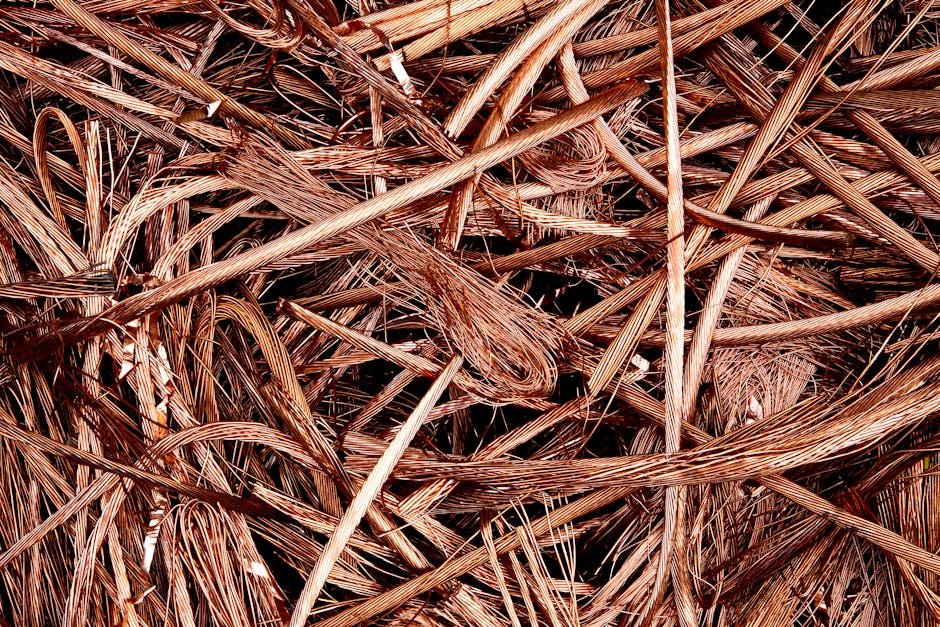

For residents and businesses in the Inner West, scrap copper recycling North Strathfield has become a vital component of the local circular economy. As global demand for copper continues to surge due to the electrification of transport and renewable energy infrastructure, the value of recovered metal has reached historic highs. Whether you are a construction contractor dealing with site offcuts or a homeowner clearing out old plumbing, understanding the nuances of the scrap trade is essential for maximizing your financial return and ensuring your materials are processed sustainably.
Understanding Copper Grades: How to Maximize Your Return
In the world of metal trading, not all copper is created equal. To get the best copper price per kg, you must understand how recyclers grade your material. The purity of the metal is the primary determinant of its value. When you engage in scrap copper recycling North Strathfield, you are likely to encounter several distinct categories:
- Bare Bright Copper: This is the gold standard. It consists of unalloyed, uncoated, and uninsulated copper wire, typically 16 gauge or thicker. It must be free of oxidation, paint, or other contaminants. Because it requires minimal processing, it commands the highest price.
- Number 1 Copper: This includes clean copper pipe and tubing that is free of solder, paint, or brass fittings. It should have a clean, shiny appearance.
- Number 2 Copper: This grade is slightly lower in purity. It often includes copper wire that has been burnt or contains some oxidation, or piping that still has small amounts of solder or other attachments.
- Insulated Copper Wire: This is common in electrical demolition. The value here depends on the “recovery rate”—the percentage of copper metal inside the plastic or rubber insulation.
By properly sorting your scrap before bringing it to a facility, you can significantly increase your payout. If you are interested in the broader industry, you can explore the Copper Scrap Group for community insights and market trends.
The Scrap Copper Recycling Process: From Site to Smelter
The journey of a piece of scrap copper is a fascinating example of industrial efficiency. Once collected, the material undergoes a rigorous process to return it to a raw state suitable for manufacturing. The process typically begins with collection, where scrap is aggregated from various sources, including demolition sites, electrical contractors, and residential clean-outs. If you are looking for local drop-off points, searching for Scrap Metal Recycling Near Me is the best way to find a facility that handles high-volume copper.
Once at the recycling facility, the copper is sorted using advanced technology. X-ray fluorescence (XRF) analyzers are often used to determine the exact chemical composition of the metal. For insulated copper wire, industrial granulators are employed. These machines chop the wire into tiny pieces, after which air classification or water tables are used to separate the heavier copper granules from the lighter plastic insulation. The resulting high-purity copper is then melted down in furnaces, cast into ingots, and sent to factories to be drawn into new wire or rolled into new pipe. This closed-loop system is why the Scrap Trading Vs Recycling Business model is so critical; it bridges the gap between waste management and raw material supply.
Environmental and Economic Impacts
The environmental case for recycling copper is overwhelming. Mining virgin copper is an energy-intensive process that involves massive land disruption, water consumption, and the production of tailings that can contaminate local ecosystems. In contrast, recycling copper uses up to 85% less energy than producing it from ore. By participating in scrap copper recycling North Strathfield, you are directly contributing to a reduction in the carbon footprint of the Australian construction and manufacturing sectors.
Economically, copper is a “barometer metal.” Because it is used in almost every sector—from home appliances to data centers and electric vehicles—its price is highly sensitive to global economic health. When you sell your scrap, you are tapping into a global commodity market. It is important to stay informed about current market fluctuations. For those operating within the Sydney region, looking into scrap copper recycling lakemba or scrap copper recycling berala can provide a wider perspective on regional price variations and logistics. Utilizing professional platforms like Scrap Trade or the resources provided by Scrap Trade Australia can help you track these changes in real-time.
Practical Tips for Scrap Collection and Storage
If you are a contractor or a business owner generating consistent scrap, organization is key. Storing your scrap properly prevents oxidation and keeps your material clean, which directly impacts the grade you receive. Keep your copper pipe separate from your copper wire. If you have insulated wire, consider whether it is more profitable to strip it yourself or sell it as-is; this depends on the current cost of labor versus the premium paid for bare bright copper. Always ensure your storage area is secure and dry to prevent theft and contamination. Remember, high-quality sorting is the single most effective way to improve your bottom line.
The Future of Copper Recycling in Australia
As Australia moves toward a net-zero future, the importance of copper will only grow. Copper is the backbone of the renewable energy transition. Every wind turbine, solar panel array, and electric vehicle requires significant amounts of this metal. This creates a long-term demand curve that ensures the scrap industry will remain robust for decades to come. Innovation in sorting technology, such as AI-driven optical sorting, is making the recycling process faster and more accurate than ever before. For those in North Strathfield, positioning yourself as a reliable supplier of high-quality scrap copper is a smart move that aligns with both environmental stewardship and economic opportunity.
Safety and Compliance in Metal Recycling
Working with scrap metal involves inherent risks. Sharp edges, heavy loads, and industrial machinery require a focus on safety. Always wear appropriate personal protective equipment (PPE), including heavy-duty gloves and steel-toed boots, when handling scrap. Furthermore, ensure that you are complying with local environmental and waste management regulations. Reliable recycling partners will always provide documentation for the materials they receive, ensuring transparency and accountability in the supply chain. This is particularly important for large-scale demolition projects where environmental impact reporting is often a legal requirement.
Building Long-Term Relationships with Recyclers
The scrap trade is built on relationships. Whether you are a small-scale recycler or a large industrial firm, finding a reputable partner is crucial. A good recycler will offer fair pricing, transparent weighing processes, and timely payment. They should also be able to provide advice on how to better prepare your scrap to achieve higher grades. By working consistently with a trusted facility, you can negotiate better terms and gain access to market insights that help you time your sales for maximum profit. Don’t just look for the highest advertised price; look for a partner who values your business and provides consistent, reliable service.
Conclusion: Why Copper Recycling Matters
Copper is a finite resource, but through recycling, it becomes effectively renewable. By actively engaging in the scrap market, you are not just making money—you are supporting a sustainable infrastructure that powers the modern world. Whether you are in North Strathfield or anywhere else in Australia, the principles of proper sorting, safety, and market awareness remain the same. Start by segregating your metals, keeping your copper clean, and staying informed about market trends. The future of the industry is circular, and your participation is a vital part of that transition.
Frequently Asked Questions
What is the difference between bare bright copper and number 2 copper?
Bare bright copper is pure, unoxidized, and uncoated wire, which fetches the highest price. Number 2 copper is lower in purity and may contain oxidation, solder, or slight contaminants, resulting in a lower market value.
How can I get the best copper price per kg?
To maximize your return, always sort your copper by grade, remove all non-metal attachments like plastic or steel, and keep your scrap clean and dry. Tracking market trends and selling when prices are high also helps.
Is it worth stripping insulation off copper wire?
It depends on the time involved and the volume of wire. If you have the tools and time, stripping wire to reach ‘bare bright’ status often provides a higher profit margin than selling it as insulated wire.
Why is copper recycling important for the environment?
Recycling copper consumes up to 85% less energy than mining and refining virgin ore. It reduces the need for destructive mining practices and lowers the carbon footprint of the manufacturing industry.