
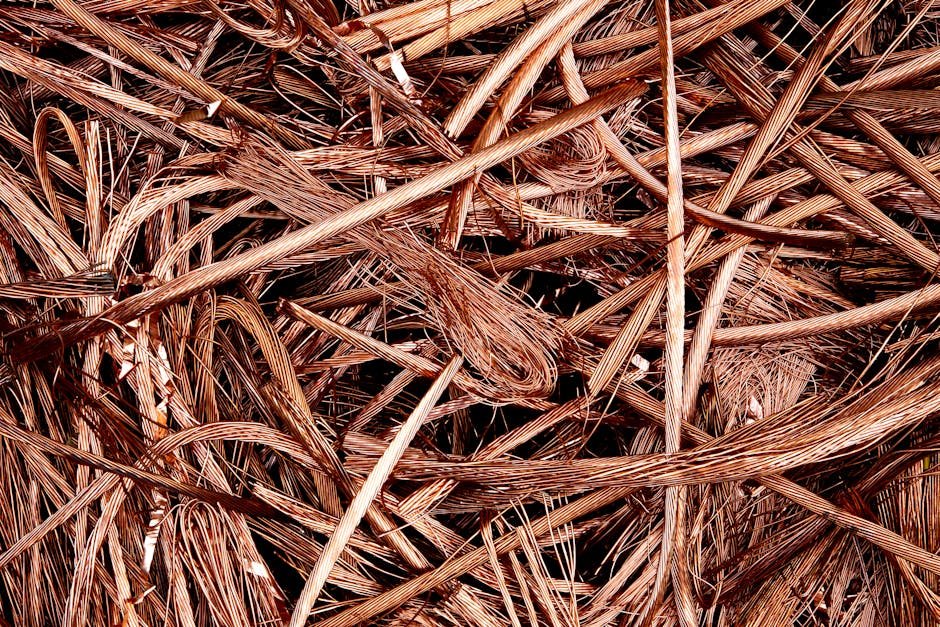

When you are looking for a professional silverwater scrap copper pick up service, understanding the nuances of the metal recycling industry is essential to ensuring you receive fair market value for your materials. Copper is one of the most highly sought-after industrial metals globally, and in the Sydney metropolitan area, efficient logistics and accurate grading are the cornerstones of a successful recycling operation. Whether you are a demolition contractor, an electrician, or a manufacturing facility, managing your metal waste effectively can turn a disposal cost into a significant revenue stream. This guide explores everything you need to know about navigating the scrap market in Silverwater and beyond.
The Importance of Copper Recycling in the Australian Economy
Copper is a critical component of the modern world, essential for electrical infrastructure, plumbing, and renewable energy technologies. Because copper is 100% recyclable without any loss of quality, it represents a circular economy success story. When you utilize a silverwater scrap copper pick up service, you are contributing to a supply chain that reduces the need for destructive open-pit mining. Mining virgin copper is an energy-intensive process that involves massive amounts of water and chemical processing. In contrast, recycling existing copper consumes up to 85% less energy than producing new metal from ore.
In Australia, the demand for high-quality recycled copper is driven by the construction and telecommunications sectors. By choosing to recycle through a reputable scrap metal trading platform, you ensure that your materials are processed according to Australian environmental standards. This not only supports local industry but also helps stabilise the Scrap Copper market by increasing the availability of secondary raw materials. As global demand for copper rises—spurred by the transition to electric vehicles and green energy—the value of your scrap copper increases, making efficient collection and sorting more important than ever.
Understanding Copper Grades: What Are You Selling?
To maximize your returns, you must be able to identify and separate your materials. Scrap yards categorize copper based on purity, insulation, and contamination levels. Understanding these grades is the first step in negotiating a better Scrap Copper Prices Near Me outcome.
- Bare Bright Copper: This is the “gold standard” of copper scrap. It consists of clean, unalloyed, uncoated, and uninsulated copper wire, typically 16 gauge or thicker. It must be free of paint, solder, or oxidation to qualify for the highest price per kg.
- Number 1 Copper: This grade includes clean copper pipe and wire that may have slight oxidation but is free of any fittings, solder, or other metal attachments.
- Number 2 Copper: This is the most common grade for general scrap. It includes copper that has been soldered, has slight paint or lacquer coatings, or is slightly dirty. It is still highly valuable but requires more processing at the yard to remove impurities.
- Copper Wire (Insulated): This category is vast. It ranges from heavy-duty industrial cables to thin communication wires. The price is determined by the “recovery rate”—the percentage of actual copper contained within the plastic insulation.
By keeping these grades separated at your site, you avoid the “mixed load” price, which is always lower than the price for sorted materials. If you have a large volume, our Copper Scrap Group can provide guidance on how to optimize your onsite storage to ensure higher payouts.
How the Recycling Process Works
Once you schedule a silverwater scrap copper pick up, the journey of your metal has only just begun. Upon arrival at the processing facility, the scrap is weighed on calibrated, government-certified scales to ensure transparency. From there, the material is sorted through a combination of automated and manual processes.
For insulated copper wire, sophisticated granulators are used. These machines chop the wire into tiny pieces and then use air and gravity separation to pull the plastic insulation away from the copper granules. The result is a clean, high-purity copper product that can be melted down and cast into new ingots. For larger items like copper pipe, the material is sheared or shredded to reduce its physical footprint, making it easier to transport and feed into smelting furnaces.
This entire process is designed to minimize waste. Even the plastic insulation stripped from wires is often recycled into new plastic products, ensuring that almost nothing ends up in a landfill. By engaging with a professional scrap metal recycling platform, you are ensuring that your waste is handled with the highest level of technical expertise.
Logistics: Why Professional Pick-Up Services Matter
Managing scrap metal is not just about the value of the material; it is about safety and efficiency. Attempting to transport large quantities of heavy copper pipe or industrial cables without the right equipment can lead to workplace injuries and vehicle damage. A professional pick-up service provides the heavy-duty vehicles, cranes, and trained personnel required to handle large-scale loads safely.
If you are located in other parts of the Sydney region, we also offer specialized services such as revesby scrap copper pick up and riverwood scrap copper pick up. These localized services allow us to maintain a tight logistics network, reducing carbon emissions associated with transport and providing faster turnaround times for our clients. By consolidating your scrap collection, you reduce the logistical overhead, which in turn allows us to offer more competitive pricing.
Environmental Benefits and Sustainability
The environmental case for copper recycling is overwhelming. Copper is one of the few materials that can be recycled indefinitely without losing its chemical or physical properties. When we recycle copper, we are essentially mining our own waste streams rather than digging into the earth. This preserves natural landscapes, protects biodiversity, and prevents the toxic tailings associated with traditional mining from entering our water systems.
Furthermore, the energy savings are substantial. Producing copper from recycled scrap requires only about 15% of the energy needed to extract it from raw ore. This reduction in energy consumption directly translates to a lower carbon footprint for the construction and manufacturing industries. When you choose to recycle, you are actively participating in the global effort to combat climate change by lowering the energy intensity of our industrial infrastructure.
Maximizing Your Returns: Practical Tips
To get the most out of your scrap, preparation is key. Here are some expert tips to ensure you are getting the best possible value:
- Sort by Grade: Never mix your high-quality bare bright copper with lower-grade Number 2 copper. If you put them in the same bin, the entire load will be valued at the lower rate.
- Remove Contaminants: If you have copper pipe with brass fittings or steel valves, cut them off. Steel and brass are valuable in their own right, but they are considered contaminants in a copper load and will reduce your payout.
- Clean Your Wire: If you have the labor available, stripping insulation from thick copper wire can significantly increase the value of the material. However, ensure the cost of labor does not exceed the value gained.
- Store Properly: Keep your scrap in a dry, covered area. Oxidation (the green tarnish) can lower the grade of your copper. Keeping it clean and dry ensures it remains in the highest possible grade category.
- Volume Matters: Larger, consistent loads are more cost-effective to transport and process. If you have a steady stream of scrap, talk to us about setting up a recurring collection schedule.
The Future of the Copper Market
The copper market is currently undergoing a massive transformation. With the rise of electric vehicles, smart grids, and high-tech electronics, the demand for copper is projected to grow exponentially over the next decade. This “electrification of everything” means that the value of your scrap is likely to remain high. As we move toward a more sustainable future, the role of scrap metal traders will become increasingly vital as a bridge between waste producers and manufacturers.
By staying informed about market trends and maintaining high standards for your scrap collection, you are positioning yourself to benefit from this long-term growth. We encourage all our clients to keep an eye on the daily Scrap Copper Prices Near Me to understand how global market shifts impact their local returns. Transparency in pricing and clear communication about material quality are the foundations of our service.
Conclusion: Partnering for a Greener Future
Recycling copper is more than just a way to clear out your workshop or job site; it is a vital contribution to a sustainable future. Whether you are dealing with industrial-grade copper wire or simple plumbing scraps, the team at our platform is dedicated to providing the most efficient, transparent, and environmentally friendly recycling solutions in Australia. From the moment you contact us for a pick-up to the final processing of your metal, we prioritize quality, safety, and fair value.
If you are ready to turn your scrap into a valuable asset, reach out to our team today to discuss your requirements. We provide comprehensive support, from onsite bin placement to efficient logistics, ensuring that your experience is seamless. Let’s work together to keep Australia’s resources in the loop and build a more sustainable economy, one load of copper at a time.
Frequently Asked Questions
- Q: What is the difference between Number 1 and Number 2 copper?
A: Number 1 copper is clean, unalloyed, and free of solder or contaminants, while Number 2 copper may contain trace amounts of solder, paint, or slight oxidation. Number 1 generally commands a higher price due to its higher purity level. - Q: How do I know if my copper wire is worth stripping?
A: You should strip your wire if the value of the bare copper exceeds the cost of the labor and equipment required to strip it. Generally, thick industrial cables are more profitable to strip than thin, multi-strand communication wires. - Q: Can I get a bin for my scrap copper collection?
A: Yes, we offer various bin sizes for businesses and contractors to help you store and organize your scrap on-site. This makes the pick-up process much faster and helps you keep your site clean and safe. - Q: How are scrap copper prices determined?
A: Scrap prices are linked to the London Metal Exchange (LME) copper spot price, adjusted for local demand, processing costs, and the specific grade of the material. Prices fluctuate daily, so it is important to check current rates before finalizing a sale.
Frequently Asked Questions
What is the difference between Number 1 and Number 2 copper?
Number 1 copper is clean, unalloyed, and free of solder or contaminants, while Number 2 copper may contain trace amounts of solder, paint, or slight oxidation. Number 1 generally commands a higher price due to its higher purity level.
How do I know if my copper wire is worth stripping?
You should strip your wire if the value of the bare copper exceeds the cost of the labor and equipment required to strip it. Generally, thick industrial cables are more profitable to strip than thin, multi-strand communication wires.
Can I get a bin for my scrap copper collection?
Yes, we offer various bin sizes for businesses and contractors to help you store and organize your scrap on-site. This makes the pick-up process much faster and helps you keep your site clean and safe.
How are scrap copper prices determined?
Scrap prices are linked to the London Metal Exchange (LME) copper spot price, adjusted for local demand, processing costs, and the specific grade of the material. Prices fluctuate daily, so it is important to check current rates before finalizing a sale.