
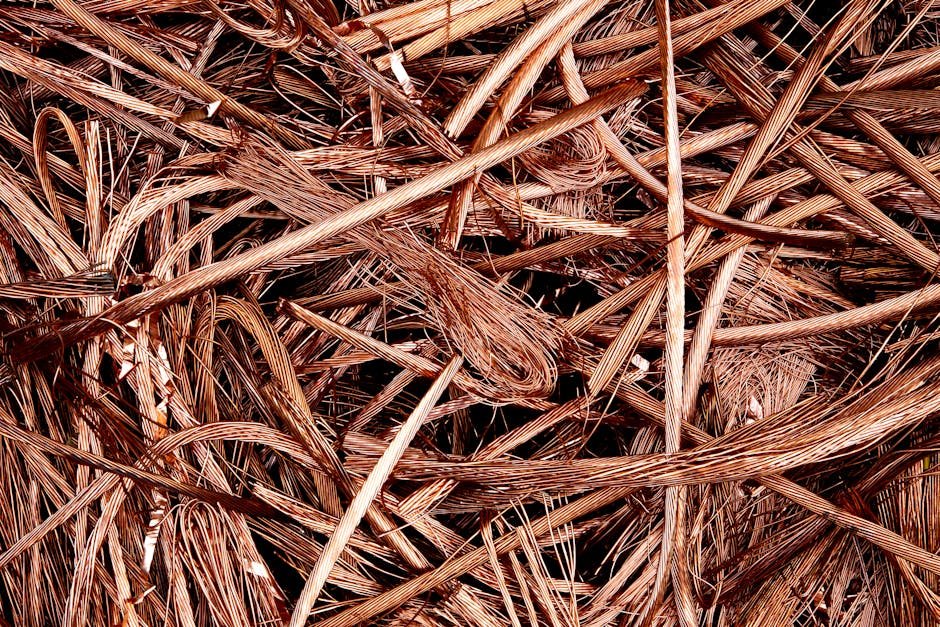

When it comes to scrap copper recycling Concord West, understanding the nuances of the local market is essential for both commercial contractors and residential renovators. Copper is one of the most valuable non-ferrous metals in the recycling industry, and its infinite recyclability makes it a cornerstone of the circular economy in New South Wales. Whether you are clearing out a job site or managing an industrial demolition, knowing how to identify, sort, and trade your copper effectively can significantly impact your bottom line.
The Economics of Scrap Copper: Understanding Grades and Value
The value of your material is dictated by its purity and the specific grade it falls into. In the world of scrap metal, not all copper is created equal. To get the best copper price per kg, you must understand the classification system used by professional yards. The most premium grade is bare bright copper, which consists of clean, unalloyed, uncoated, and unalloyed copper wire, generally 16 gauge or thicker. It must be free of insulation, paint, or oxidation to command the top market rate.
Moving down the spectrum, we encounter number 2 copper. This grade includes copper that may have light oxidation, some solder, or minor impurities. It is still highly valuable but requires more intensive processing at the refinery level. Then there is the common copper pipe, which, if free of fittings and excessive solder, is highly sought after. For those looking to understand the broader industry context, our guide on Scrap Trading Vs Recycling Business highlights the differences between simply moving material and adding value through processing.
As you accumulate your scrap, it is helpful to join a Copper Scrap Group to stay updated on market fluctuations. Because the price of copper is tied to global commodities exchanges, it changes daily. Being part of a community or using a professional scrap metal trading platform ensures you are never selling your hard-earned material for less than its true market worth.
The Recycling Process: From Concord West to New Products
The journey of a piece of copper from a demolition site in Concord West to a new electrical cable is a fascinating example of industrial efficiency. Once the material is collected, it undergoes a rigorous sorting process. Automated systems and manual inspection are used to separate high-grade copper wire from contaminated scrap. This is where the expertise of the recycler becomes critical; contaminants like plastic, lead, or steel can downgrade a load of copper instantly.
After sorting, the material is shredded and granulated. This process removes non-metallic components like PVC insulation. The resulting “copper chop” is then melted in high-temperature furnaces. The molten metal is refined to remove any remaining impurities, ensuring the final product meets the stringent quality standards required for new construction and electronics. This closed-loop system is why copper is considered the “gold standard” of recycling.
For those located in the inner west, managing the logistics of transport can be a challenge. If you are dealing with large volumes, you might be interested in concord west scrap copper pick up services to streamline your operations. Furthermore, if your operations extend across greater Sydney, you may also find our scrap copper recycling guildford west resources useful for maintaining consistent disposal channels.
Environmental Benefits of Copper Recycling
The environmental case for scrap copper recycling is overwhelming. Extracting virgin copper from ore is an energy-intensive process that involves mining, crushing, and chemical leaching, all of which have significant ecological footprints. By contrast, recycling existing copper consumes up to 85% less energy than primary production. This reduction in energy usage directly translates to lower greenhouse gas emissions, making recycling a vital tool in the fight against climate change.
Beyond energy savings, recycling preserves our natural resources. Copper is a finite resource, and as global demand for electric vehicles, renewable energy infrastructure, and smart technology grows, the pressure on primary mines will only increase. By keeping copper in the economy through robust recycling programs, we reduce the need for new, destructive mining operations. Every kilogram of recycled copper represents a reduction in tailings waste and water contamination associated with traditional mining.
If you are searching for a Scrap Metal Recycling Near Me, you are participating in a global effort to preserve the planet. Localized recycling reduces the carbon footprint associated with transporting scrap long distances. By utilizing local facilities in Concord West, you are supporting a sustainable, local supply chain that benefits the environment and the community alike.
How to Maximize Your Returns: Practical Tips for Suppliers
To maximize your profit, preparation is key. The most common mistake suppliers make is mixing grades. If you mix number 2 copper with bare bright copper, the entire load will likely be graded as the lower-value material. Always keep your grades separated in distinct bins. This simple habit can mean the difference between a standard payout and a premium rate.
Another tip is to remove attachments. If you have copper pipe with brass fittings or steel valves, remove them before taking them to the yard. These “attachments” are considered contaminants and will lower your price per kilogram. Use a basic pipe cutter or a hacksaw to separate the pure copper from the brass or steel components. The time spent stripping insulation from copper wire is almost always rewarded by the significantly higher price you will receive for clean, bright wire.
Finally, keep an eye on the market. While you cannot control the global copper price per kg, you can control when you sell. If you have the storage space, it is often wise to hold onto your scrap during a market dip and sell when the commodity prices rise. Utilizing a professional scrap metal trading portal can provide you with the data and insights needed to time your sales for maximum profitability.
The Future of Metal Recycling in Australia
Australia is positioning itself as a leader in the circular economy, and the scrap metal industry is at the forefront of this transition. Technological advancements in sensor-based sorting and AI-driven grading are making the recycling process faster and more accurate. These innovations allow for higher recovery rates, ensuring that less material ends up in landfills and more is returned to the production cycle.
As we look toward a future defined by electrification and decarbonization, the role of copper cannot be overstated. It is the primary conductor for the energy transition. Whether it is in the wiring of a new solar array or the motor of an electric vehicle, copper is essential. This ongoing demand ensures that the scrap copper market will remain resilient and profitable for years to come. By engaging in responsible scrap copper recycling concord west practices, you are not just making money; you are securing the raw materials for the next generation of Australian technology.
For businesses, the shift toward sustainable procurement is also driving change. Companies are increasingly looking for suppliers who can provide certified recycled content. This creates a premium market for high-quality recycled copper, further incentivizing the industry to improve its sorting and processing standards. If you are a business owner looking to formalize your waste management, now is the time to align with partners who understand the value of material recovery.
Safety and Compliance in Scrap Handling
Safety should always be the priority when handling scrap metal. Copper, while valuable, can be sharp and heavy. Always wear appropriate personal protective equipment (PPE), including cut-resistant gloves and steel-toed boots. When stripping copper wire, ensure you are using the correct tools to avoid repetitive strain injuries or accidental lacerations.
Compliance with local environmental regulations is also non-negotiable. In Concord West and across New South Wales, there are strict rules regarding the storage and transport of scrap metal to prevent soil and water contamination. Ensure that your storage area is clean, well-drained, and free of any hazardous materials that could leak into the environment. Working with reputable recycling partners who are fully licensed and compliant ensures that your scrap is handled in accordance with the law, protecting you from potential liability.
Furthermore, maintaining accurate records of your scrap sales is good business practice. It helps you track your revenue, manage your tax obligations, and provides transparency in your supply chain. Whether you are a small-scale trader or a large industrial firm, treating scrap as a valuable commodity rather than just “waste” is the hallmark of a professional operator.
Building a Sustainable Partnership
The relationship between the supplier and the recycler is a partnership. A reliable recycler will provide you with fair grading, transparent pricing, and timely payments. They will also offer advice on how to better prepare your scrap to increase its value. If you are struggling with logistics, ask about their pickup services or their ability to provide specialized bins for your site.
By fostering these relationships, you gain access to market intelligence that can help you plan your business operations more effectively. You become part of a network that values quality, efficiency, and sustainability. As the industry evolves, those who prioritize these values will be the ones who thrive. Whether you are starting your journey in metal recycling or you are a seasoned professional, there is always room to refine your processes and increase your returns.
Remember that every piece of copper you recycle helps reduce the demand for virgin mining. It is a tangible contribution to a cleaner, more efficient future. As you continue to operate in Concord West and beyond, keep these principles in mind. Stay informed, stay organized, and stay committed to the highest standards of the industry. The potential for growth in the scrap market is immense, and by doing things the right way, you are positioning yourself for long-term success.
Frequently Asked Questions
What is the difference between bare bright copper and number 2 copper?
Bare bright copper is clean, unalloyed, and uncoated copper wire that is free of any oxidation or impurities. Number 2 copper, by contrast, may have light oxidation, some solder, or minor surface contaminants, making it slightly less valuable.
How can I get the best copper price per kg?
To maximize your return, ensure your copper is clean and correctly sorted by grade. Removing insulation from wire and separating copper from other metals like brass or steel will significantly increase the price you receive per kilogram.
Why is scrap copper recycling important for the environment?
Recycling copper consumes up to 85% less energy than mining and refining virgin copper ore. This drastically reduces carbon emissions, saves natural resources, and minimizes the environmental damage associated with large-scale mining operations.
How do I find a reliable scrap metal recycler in Concord West?
Look for established recyclers who offer transparent grading, competitive pricing, and professional logistics. You can search for ‘scrap metal recycling near me’ or utilize industry-specific platforms to verify the credentials and reputation of local facilities.