
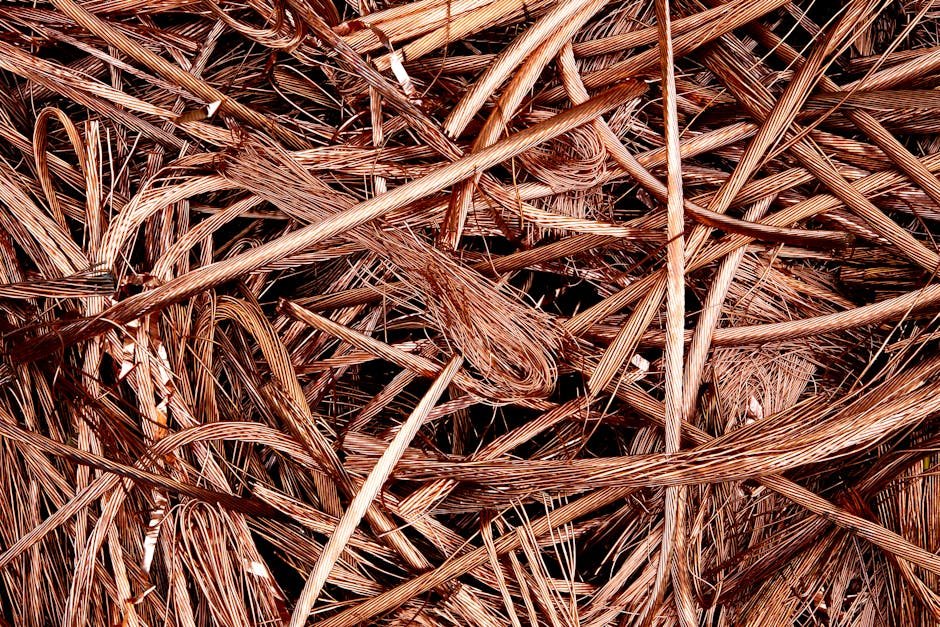

Navigating the complex landscape of scrap copper recycling Strathfield requires both industry knowledge and a strategic approach to material handling. As a central hub for industrial and residential redevelopment, the Strathfield region generates significant volumes of high-value non-ferrous metals. Whether you are a trade contractor, a demolition expert, or a local business owner, understanding the nuances of copper grades and the mechanics of the recycling supply chain is essential for maximizing your returns.
The Economics of Scrap Copper Recycling Strathfield
The local market for non-ferrous metals is highly dynamic. When engaging in scrap copper recycling Strathfield, stakeholders must recognize that the value of their material is tied to global commodity markets. The copper price per kg is not a static figure; it fluctuates based on supply chain disruptions, manufacturing demand in Asia, and global mining output. To navigate this, many professionals look to the Copper Scrap Group to stay informed on trends and grade specifications.
For those operating in the inner-west, geographic convenience is a major factor in profitability. If you are searching for scrap copper recycling strathfield south facilities, it is vital to vet your partner for transparent weighing practices and competitive pricing. Similarly, contractors working on projects closer to the rail corridor may find scrap copper recycling north strathfield options more logistically efficient. By minimizing transport costs, you directly impact your bottom line. Understanding the difference between Scrap Trading Vs Recycling Business models can also help you decide whether you should be a collector or a processor.
Identifying Copper Grades for Maximum Profit
Not all copper is created equal. The purity of the metal determines its classification and, consequently, its market price. Identifying these grades correctly is the most important skill for anyone involved in scrap copper recycling Strathfield.
- Bare Bright Copper: This is the gold standard of scrap. It consists of clean, unalloyed, uncoated, and uninsulated copper wire or cable, typically 16 gauge or thicker. It must be free of oxidation or contaminants.
- Number 1 Copper: This grade includes clean copper pipe or heavy copper wire that is free of fittings, insulation, or paint. It may have slight oxidation but must be essentially pure.
- Number 2 Copper: This grade includes copper that has some impurities, such as solder, paint, or minor oxidation. It is often the most common grade collected from demolition sites.
- Insulated Copper Wire: This is copper wire still encased in plastic or rubber coating. The value is determined by the “yield” or the percentage of copper metal inside the insulation.
When you prepare your scrap, ensure that you strip insulation from high-quality copper wire whenever possible. While it requires labor, the jump in price from insulated wire to bare bright is often significant enough to justify the effort. Always keep your professional scrap trading platform updated with your current inventory to ensure you are receiving the best market rates.
How the Recycling Process Works
Once you have successfully collected and sorted your material, the recycling process begins. This industrial cycle is what makes copper one of the most sustainable materials on the planet. First, the scrap is weighed and inspected for contaminants. If you are looking for Scrap Metal Recycling Near Me, you will likely find that reputable yards use X-ray fluorescence (XRF) analyzers to identify the exact elemental composition of the scrap.
After sorting, the copper is shredded into smaller pieces to facilitate the separation of plastics, rubber, and other non-metallic materials. High-powered magnets are used to remove ferrous contaminants, while eddy current separators pull out aluminum or other non-ferrous metals. The remaining clean copper is then melted down in large furnaces. Because copper is infinitely recyclable without losing its chemical or physical properties, this molten metal can be cast into ingots, rods, or sheets, ready to be used in new electrical grids, plumbing systems, or renewable energy infrastructure.
Environmental Benefits of Copper Recycling
The environmental case for recycling copper is overwhelming. Mining virgin copper is an energy-intensive process that involves massive land displacement, water consumption, and the production of tailings—toxic waste that can leach into local ecosystems. By recycling, we reduce the demand for new mining operations.
Recycling copper uses approximately 85% less energy than producing it from ore. This massive reduction in energy consumption translates directly into lower greenhouse gas emissions. Furthermore, because copper is a critical component in the transition to green energy—specifically in electric vehicles (EVs) and wind turbines—the circular economy of copper is essential to achieving global climate targets. Every kilogram of copper you recycle contributes to a more sustainable future for Australia.
Best Practices for Scrap Yard Safety and Logistics
Safety is paramount in the scrap industry. When handling heavy loads of copper pipe or wire, always wear appropriate personal protective equipment (PPE), including cut-resistant gloves and steel-toed boots. Copper edges can be razor-sharp, especially when dealing with sheared wire or cut piping.
Logistically, how you store your material matters. Keep your grades separated at the source. If you mix your bare bright with number 2 copper, the entire batch will likely be downgraded to the lower price. Use clearly marked bins and establish a system for your team to follow. If you are managing a large-scale renovation or demolition project in the Strathfield area, consider scheduling regular pickups to prevent the accumulation of clutter, which can become a fire or tripping hazard on a busy job site.
Market Trends and Future Outlook
The copper market is currently experiencing a “super-cycle” driven by electrification. As the world moves away from fossil fuels, the demand for copper is projected to outstrip supply for the next decade. This is great news for those involved in the scrap trade. Prices are expected to remain volatile but elevated, providing significant opportunities for those who can reliably source and process high-quality material.
Staying ahead of the curve means utilizing digital tools. Modern scrap traders are no longer relying on phone calls to check prices; they are using real-time data feeds and online marketplaces to track the copper price per kg across different regions. By diversifying your buyers and maintaining a strict adherence to sorting protocols, you protect yourself against market dips and ensure you are always positioned to capture the highest value for your scrap.
Conclusion: Turning Waste into Wealth
Successfully engaging in scrap copper recycling Strathfield is about more than just collecting metal; it is about building a professional, sustainable, and profitable business model. By understanding the specific grades, optimizing your logistical workflows, and leveraging the right digital platforms, you can transform scrap into a reliable revenue stream while contributing to Australia’s environmental goals.
Whether you are just starting out or looking to optimize an existing operation, remember that consistency and quality are your best assets. Keep your material clean, keep your sorting accurate, and stay informed about the shifting market dynamics. The future of the copper industry is circular, and by participating in the local recycling ecosystem, you are at the forefront of this vital industrial transformation.
Frequently Asked Questions
What is the difference between bare bright and number 2 copper?
Bare bright copper is clean, unalloyed, and uncoated wire that is 16 gauge or thicker, representing the highest value. Number 2 copper contains minor impurities like solder, paint, or oxidation, making it less valuable than bare bright.
How can I get the best copper price per kg in Strathfield?
To get the best price, ensure your scrap is properly sorted by grade, free of contaminants like insulation or plastic, and sold in bulk to a reputable, transparent recycling facility.
Why is copper recycling important for the environment?
Recycling copper uses 85% less energy than mining and refining virgin ore. It reduces the need for destructive mining practices and lowers carbon emissions, supporting the global transition to renewable energy.
What should I look for in a scrap metal recycling facility?
Look for facilities that offer transparent weighing, competitive market-based pricing, and clear communication regarding their grading standards. A professional facility should also prioritize safety and environmental compliance.