
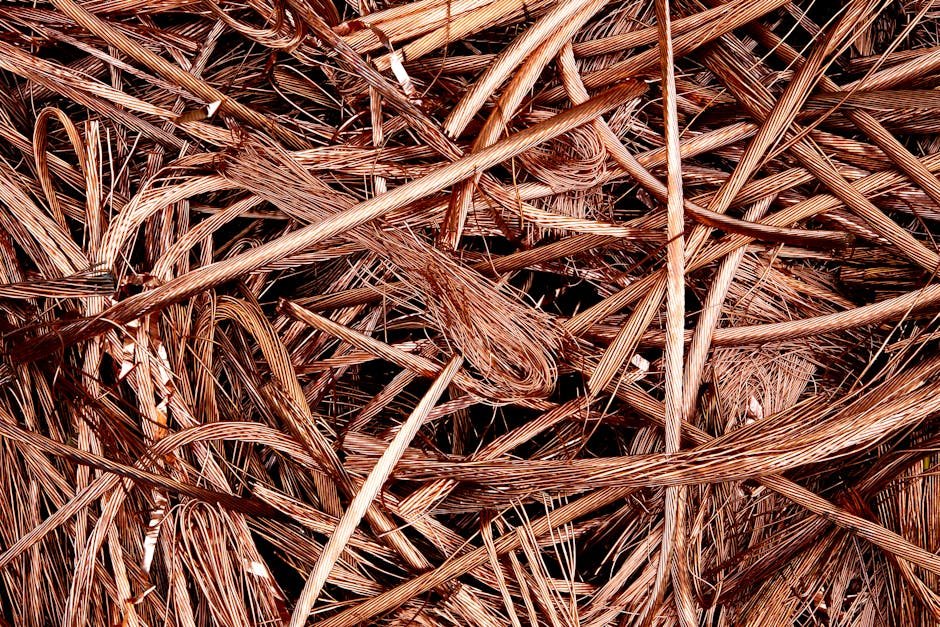

When it comes to scrap copper recycling Harris Park, understanding the nuances of the local market is essential for both commercial contractors and residential renovators. As one of Sydney’s bustling industrial and residential hubs, Harris Park generates significant volumes of metallic waste, much of which contains high-value copper. Whether you are clearing out a construction site or managing industrial electrical waste, knowing how to identify, sort, and trade your scrap is the first step toward turning waste into profit.
Understanding Copper Grades: Maximizing Your Return
The value of your scrap is dictated entirely by its purity and the level of processing required to refine it. In the world of scrap metal, not all copper is created equal. To get the best copper price per kg, you must understand how recyclers categorize their intake.
Bare Bright Copper
This is the gold standard of the industry. Bare bright copper consists of clean, unalloyed, uncoated, and uninsulated copper wire, typically 16 gauge or thicker. It must be free of oxidation, paint, or solder to qualify for the highest market rate. Because it requires minimal processing to be melted down into new products, it commands the highest price.
Number 1 Copper
Number 1 copper includes clean copper pipe and tubing that is free of fittings, insulation, or heavy oxidation. It is slightly less valuable than bare bright but remains a premium grade. When stripping copper pipe, ensure that all brass fittings or soldered joints are removed, as these contaminants will downgrade your load to Number 2.
Number 2 Copper
This grade consists of copper that is slightly contaminated. This might include copper wire with thin coatings, pipe with solder or paint, or copper that has been exposed to the elements and shows signs of oxidation. While the payout is lower, it remains a highly sought-after commodity in the Copper Scrap Group ecosystem.
The Process: How Scrap Copper Recycling Works
The journey from a construction site in Harris Park to a new electrical component is a sophisticated industrial process. Once you drop off your material, it undergoes a rigorous sequence of sorting, shredding, and smelting.
First, the material is weighed on certified scales. Transparency in weighing is a hallmark of a professional facility. Following the weigh-in, the material is sorted by grade. Automated systems, including magnetic separators and eddy current separators, help remove ferrous metals and non-metallic contaminants like plastic insulation from copper wire.
Once sorted, the copper is baled or shredded. Shredding is particularly important for insulated wire, as it allows machines to separate the plastic casing from the metal strands. The final stage is smelting, where the copper is melted in a furnace, refined to 99.9% purity, and cast into ingots for use by manufacturers. Understanding this lifecycle is vital if you are considering the difference between Scrap Trading Vs Recycling Business models.
Environmental Benefits of Copper Recycling
Copper is a 100% recyclable material, meaning it can be melted down and repurposed indefinitely without losing its structural integrity or electrical conductivity. By participating in scrap copper recycling Harris Park, you are contributing to a circular economy that significantly reduces the environmental impact of mining.
Mining for virgin copper is an energy-intensive process that involves massive land disruption, water usage, and greenhouse gas emissions. Recycling copper, by contrast, uses up to 85% less energy than extracting and refining ore. Furthermore, recycling minimizes the amount of heavy metal waste that ends up in landfills, preventing potential soil and groundwater contamination. Choosing to recycle is not just a financial decision; it is a commitment to sustainable resource management.
Logistics and Finding Reliable Facilities
If you are searching for a facility, the convenience of location is paramount. Whether you are looking for Scrap Metal Recycling Near Me or specific regional services like scrap copper recycling regents park or scrap copper recycling strathfield, consistency in service is key. A reputable scrap yard will provide clear pricing, reliable scales, and efficient unloading services.
For those handling large volumes, logistics planning is essential. Ensure your scrap is sorted before arriving at the yard. Mixing grades—such as throwing Number 2 copper in with bare bright—will result in the entire load being downgraded to the lowest common denominator, costing you money. Always keep your materials dry and free of debris, as weight penalties for moisture or trash are common in the industry.
The Economics of Scrap Copper
The copper market is global, influenced by manufacturing demand, geopolitical stability, and mining output. Because of this, the copper price per kg fluctuates daily. To stay ahead, it is wise to track market trends via the leading Australian scrap trading platform. By monitoring these trends, you can time your sales to coincide with market peaks.
Commercial contractors should establish a relationship with a local buyer. Regular suppliers often receive preferential treatment, including better pricing tiers and priority service. If you are running a business that generates consistent scrap, consider the long-term benefits of partnering with a professional scrap trading and recycling platform that offers transparent reporting and logistical support.
Safety and Legal Considerations
Safety is non-negotiable in the scrap industry. Copper can be sharp, heavy, and often tangled. Always wear appropriate personal protective equipment (PPE), including heavy-duty gloves and steel-toe boots, when handling scrap. If you are stripping insulation from wire, ensure you are in a well-ventilated area to avoid inhaling dust or fumes.
Legally, ensure you are dealing with licensed facilities. In Australia, scrap metal dealers are subject to strict regulations designed to prevent the trade of stolen goods. Always be prepared to provide identification when selling large quantities of scrap. This not only protects the industry but ensures that your transactions are documented and legitimate.
Future Trends in Copper Recycling
The global transition toward renewable energy is driving an unprecedented demand for copper. Electric vehicles, wind turbines, and solar panels all rely heavily on copper wiring and components. As the world moves away from fossil fuels, the value of recycled copper is expected to rise. This shift makes the role of local recycling hubs even more critical. By participating in the recycling chain, you are directly supporting the infrastructure necessary for a green energy future.
Expert Tips for Increasing Your Payout
To maximize your revenue from scrap copper recycling Harris Park, follow these expert tips:
- Sort at the source: Don’t wait until you arrive at the yard. Use separate bins for different grades to ensure you get paid for the highest quality material.
- Clean your scrap: Remove non-metallic attachments like plastic, rubber, or steel bolts. The cleaner the load, the higher the grade.
- Monitor the market: Use online resources to track daily price movements. If the market is down, consider holding your inventory until prices recover.
- Build relationships: Talk to the yard manager. Understanding their specific requirements for processing can help you prepare your scrap in a way that minimizes their labor and maximizes your payment.
- Safety first: Never strip wire using methods that involve burning, as this releases toxic chemicals and is illegal in many jurisdictions.
By treating your scrap metal as a valuable commodity rather than waste, you can significantly improve your margins. Whether you are a small-scale collector or a large industrial firm, the principles of professional sorting and market awareness remain the same. With the right approach, your scrap pile can become a consistent revenue stream, supporting both your bottom line and the environment.
Related: Copper Scrap Group
Frequently Asked Questions
How can I tell the difference between Number 1 and Number 2 copper?
Number 1 copper is clean, unalloyed, and free of solder or oxidation, such as shiny copper pipe. Number 2 copper is typically contaminated with solder, paint, or light oxidation, which requires more processing to refine.
Why does the copper price per kg change so often?
Copper prices are determined by global supply and demand, influenced by industrial manufacturing, mining output, and economic conditions. Because it is a global commodity, daily fluctuations are standard in the market.
Is it legal to burn copper wire to remove the insulation?
No, burning copper wire is illegal in most parts of Australia due to the release of toxic fumes and environmental pollution. You should always use mechanical stripping tools to remove insulation.
Do I need identification to sell scrap copper?
Yes, licensed scrap metal dealers are required by law to verify the identity of sellers to prevent the trade of stolen goods. Always bring a valid government-issued ID when visiting a facility.