
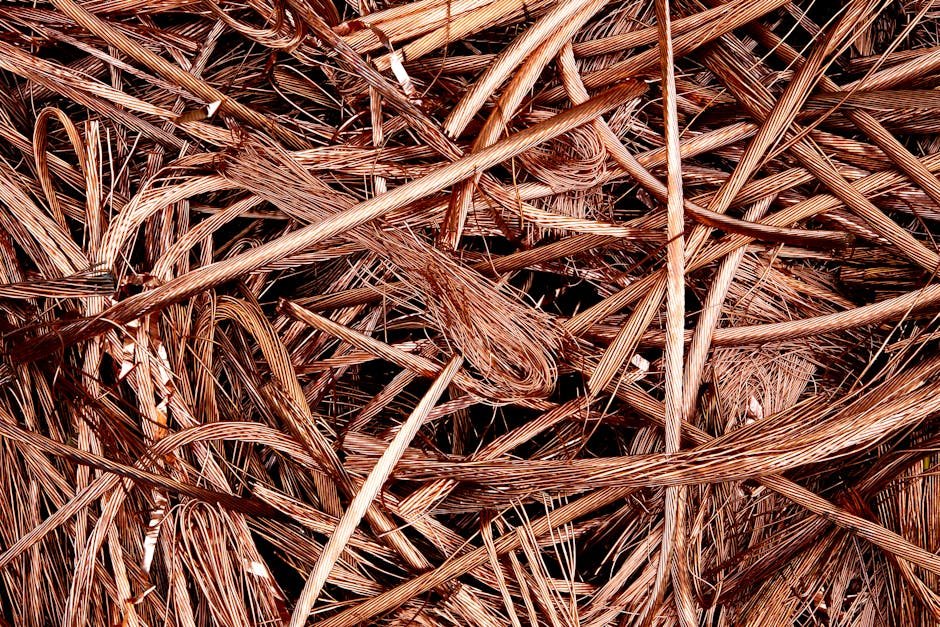

When searching for reliable yagoona scrap copper pick up services, it is essential to understand the intricacies of the metal recycling industry. Copper is one of the most valuable and highly sought-after non-ferrous metals in Australia, acting as a barometer for the health of the construction and manufacturing sectors. Whether you are a trade professional, a demolition contractor, or a homeowner clearing out a site, managing your metal waste effectively can turn a disposal burden into a significant revenue stream. This comprehensive guide details how to navigate the local market, identify different grades of metal, and maximize your returns through professional recycling channels.
Understanding Copper Grades and Market Value
To get the best value for your materials, you must first understand how recyclers categorize different types of metal. The purity of the copper significantly dictates the copper price per kg you will receive at the scales. In the industry, we categorize copper into several distinct grades, each requiring different processing methods.
Bare Bright Copper: This is the gold standard of the industry. It consists of clean, unalloyed, uncoated, and uninsulated copper wire or tubing. It must be free of any paint, solder, or oxidation. Because it requires the least amount of processing, it commands the highest market rate.
Number 1 Copper: This grade includes clean copper pipe and clippings that are free of any fittings, insulation, or contaminants. It is slightly less pure than bare bright but remains a premium product for recyclers.
Number 2 Copper: This category is more forgiving but pays less. It includes copper that has been soldered, painted, or has minor oxidation. It may also contain small amounts of impurities that need to be stripped away during the refining process. When you utilize our Scrap Copper services, our experts help you sort these grades to ensure you are paid accurately for the material you provide.
Insulated Copper Wire: This is often found in electrical cabling. The value here depends on the “recovery rate,” which is the percentage of actual copper remaining after the plastic insulation is stripped away. High-voltage cables often have a higher copper content than thin data cables.
The Logistics of Yagoona Scrap Copper Pick Up
Managing the transport of heavy scrap metal is often the biggest hurdle for contractors. Professional yagoona scrap copper pick up services are designed to eliminate the logistical headache of moving large volumes of material. By partnering with a dedicated Copper Scrap Group, you gain access to specialized equipment, including skip bins, flatbed trucks, and crane-equipped vehicles that can handle bulky loads safely.
When you schedule a pickup, the process typically follows a structured workflow: 1. Assessment of the volume and type of scrap. 2. Provision of appropriate containers if necessary. 3. Secure loading and transport to a certified facility. 4. Accurate weighing on calibrated scales. 5. Prompt payment based on the current market rate. This streamlined approach allows you to focus on your core business operations while ensuring your site remains clean and compliant with local safety regulations.
Environmental Benefits of Copper Recycling
Copper is a 100% recyclable material, meaning it can be melted down and reformed indefinitely without losing its physical or chemical properties. This unique characteristic makes it a cornerstone of the circular economy. By participating in scrap copper recycling yagoona programs, you are directly contributing to a reduction in the demand for virgin mining.
Mining for raw copper is an energy-intensive process that involves massive earth displacement, habitat destruction, and significant water usage. In contrast, recycling copper uses approximately 85% less energy than producing copper from raw ore. Furthermore, recycling helps to reduce the carbon footprint associated with the transport and refinement of raw materials. When you choose to recycle, you are not just clearing your yard; you are actively participating in a global effort to conserve natural resources and reduce industrial emissions.
How Copper Recycling Works: From Scrap to Resource
The journey of a piece of copper pipe or wire from your site to a new product is a fascinating industrial process. Once your scrap is collected, it is transported to a processing facility where it undergoes a rigorous sorting process. Automated systems, including magnetic separators and eddy current separators, are used to remove ferrous contaminants and other non-metallic debris.
Once sorted, the copper is shredded into smaller, manageable pieces to increase its surface area. It is then fed into a furnace where it is melted at temperatures exceeding 1,085 degrees Celsius. The molten metal is refined to remove any remaining impurities, often using electrolytic processes to achieve the high levels of purity required for electrical conductivity. Finally, the copper is cast into ingots, billets, or rods, which are sold back to manufacturers to be turned into new electrical wiring, plumbing components, or industrial machinery. For more information on how you can participate in this cycle, visit the Australian metal recycling marketplace to connect with local buyers.
Maximizing Your Returns: Tips for Sellers
If you are looking for the best Scrap Copper Prices Near Me, preparation is your greatest asset. Recyclers pay based on the quality of the material they receive. If you bring a bin full of mixed, dirty, and insulated copper, you will receive a lower price because the recycler must factor in the labor costs for sorting and cleaning.
- Sort your materials: Keep your bare bright separate from your number 2 copper.
- Strip your wire: While time-consuming, stripping insulation from thick cables can significantly increase your payout per kilogram.
- Keep it clean: Remove brass fittings, plastic connectors, and steel attachments from your copper pipe.
- Store it properly: Keep your copper under cover to prevent oxidation, which can move your material from a higher grade to a lower grade.
- Monitor the market: Copper prices fluctuate daily based on global demand. Stay informed by checking the latest trends on the leading scrap trading platform.
Safety and Compliance in Metal Recycling
Safety is non-negotiable in the scrap metal industry. Handling scrap copper involves sharp edges, heavy loads, and sometimes hazardous materials that were attached to the copper during its original use. When arranging for a yagoona scrap copper pick up, ensure your provider follows strict WHS (Work Health and Safety) protocols. This includes the use of personal protective equipment (PPE), safe lifting practices, and secure load restraint during transport. Furthermore, ethical recycling involves ensuring that all materials are processed in facilities that comply with environmental regulations regarding waste disposal and emissions. By choosing a reputable partner, you ensure that your scrap is handled in a way that is both safe for workers and compliant with Australian environmental laws.
The Future of the Copper Market
The demand for copper is projected to grow exponentially over the next decade. As the world transitions toward renewable energy and electric vehicles, the need for high-quality conductive material is at an all-time high. Electric vehicles require significantly more copper than traditional internal combustion engines, and solar panels and wind turbines rely heavily on copper wiring for power transmission. This surging demand ensures that the value of scrap copper will remain robust. For those involved in the industry, this represents a unique opportunity to capitalize on a material that is increasingly referred to as the “metal of the future.” Whether you are a small-scale trader or a large demolition firm, keeping your scrap organized and ready for collection is a smart financial strategy.
Practical Steps for Site Management
Effective site management is the difference between a profitable recycling program and a messy, inefficient one. For construction sites in Yagoona, implementing a dedicated scrap management plan is highly recommended. This involves placing labeled bins specifically for copper, brass, and aluminum. By segregating waste at the source, you reduce the time and labor required for final processing. Furthermore, training staff to identify high-value materials prevents valuable copper from being discarded in general waste bins, where it would end up in a landfill. A proactive approach to site management not only boosts your bottom line but also enhances your company’s reputation as a sustainable and environmentally responsible operator. Always ensure you have a clear understanding of the collection schedules and communication channels with your chosen recycling partner to avoid site congestion.
Conclusion
Navigating the world of metal recycling does not have to be complicated. By understanding the grades of copper, the importance of proper sorting, and the logistical advantages of professional collection services, you can transform your scrap metal into a reliable income stream. Whether you are looking for a one-off yagoona scrap copper pick up or a long-term partnership for ongoing site management, the key is to work with reputable professionals who prioritize transparency, competitive pricing, and environmental sustainability. Start by auditing your current scrap accumulation and reaching out to industry experts to discuss how you can optimize your recycling workflow today. The circular economy relies on the participation of everyone, from the smallest tradesperson to the largest contractor, and by recycling your copper, you are playing a vital role in building a more sustainable future for Australia.
Related: Scrap Copper Prices Near Me
Related: scrap copper pick up yagoona
Related: scrap copper recycling yagoona
Frequently Asked Questions
How do I know which grade my copper is?
Generally, clean, shiny wire without insulation is ‘bare bright,’ while pipe with solder or paint is ‘number 2.’ You can identify grades by checking for oxidation, insulation, or non-copper attachments.
Does the copper price change daily?
Yes, copper prices are tied to global commodity markets and fluctuate daily based on supply, demand, and economic factors. It is recommended to check current market rates immediately before selling.
Is it worth stripping insulation from copper wire?
It is often worth it if you have the time and the right tools, as stripped copper commands a much higher price per kilogram than insulated wire. However, consider the labor time versus the price increase.
What is the minimum amount required for a pickup?
Minimum requirements vary by service provider, but most professional recyclers offer pickup services for commercial quantities. Contact your local provider to discuss your specific volume and logistics needs.