
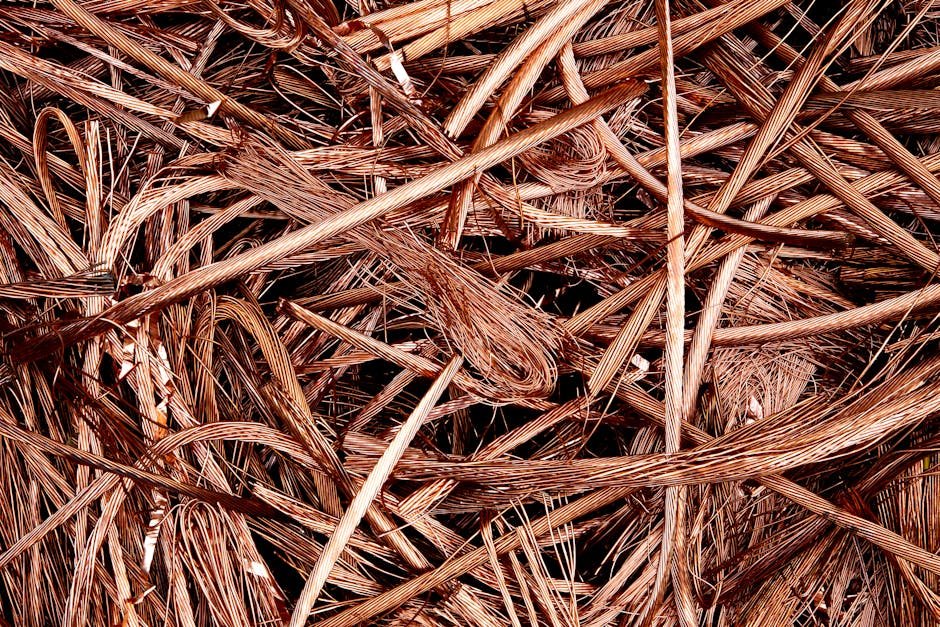

When you are looking for a reliable scrap copper pick up Rosehill service, it is essential to understand the value of your materials and the logistics involved in responsible recycling. As the industrial heart of Western Sydney, Rosehill generates significant volumes of copper waste, ranging from construction site offcuts to decommissioned electrical infrastructure. Managing this waste efficiently not only clears your workspace but also contributes to the circular economy by ensuring valuable metals are reprocessed rather than discarded in landfills.
The Importance of Proper Copper Recycling
Copper is a critical resource in the modern world, prized for its exceptional electrical conductivity and thermal properties. Because it can be recycled indefinitely without losing its structural integrity or performance, the process of copper recycling is a cornerstone of sustainable manufacturing. When you engage in a professional scrap copper pick up Rosehill, you are participating in a global supply chain that reduces the need for energy-intensive copper mining.
Mining virgin copper ore is an environmentally taxing process that involves massive land disruption and high carbon emissions. In contrast, recycling existing copper consumes up to 85% less energy than producing new copper from ore. By choosing to recycle your Scrap Copper, you are directly reducing the industry’s reliance on primary extraction. For businesses in the Rosehill area, this is not just a logistical decision; it is a commitment to corporate social responsibility and environmental stewardship. Whether you are dealing with large-scale demolition debris or small quantities of residential copper wire, professional collection services ensure that these materials are sorted, processed, and reintroduced into the manufacturing stream.
Understanding Copper Grades: What Do You Have?
To maximize the return on your scrap, it is vital to understand how scrap yards classify different types of metal. The Copper Scrap Group categorizes materials based on purity, oxidation levels, and the presence of contaminants. Knowing the difference between these grades will help you prepare your scrap for a pick-up service.
- Bare Bright Copper: This is the highest grade of copper available. It consists of clean, unalloyed, uncoated, and uninsulated copper wire or tubing. It must be free of oxidation, paint, or solder to qualify for the top tier of pricing.
- Number 1 Copper: This grade includes clean copper pipe or thick wire that is free of insulation and paint. It may show slight signs of oxidation but must be free of solder or other metallic attachments.
- Number 2 Copper: This includes copper that has been soldered, painted, or is slightly oxidized. It is still highly valuable but requires more processing at the recycling facility to remove impurities.
- Copper Wire: Depending on the thickness and insulation, copper wire is often graded by the percentage of copper recovery. Insulated wire may be stripped to increase its value, though many professional pick-up services accept it as-is for processing.
By correctly identifying your professional scrap metal recycling platform, you can better estimate the value of your load before calling for a collection.
How the Scrap Copper Pick Up Process Works
The process of scheduling a scrap copper pick up Rosehill is designed to be seamless for both contractors and homeowners. Once you have identified your scrap, the first step is to contact a reputable service provider. They will assess the quantity and type of metal you have to determine the appropriate equipment needed for the collection, such as flatbed trucks or skip bins for larger industrial loads.
Upon arrival, the team will weigh the material, often using certified scales on-site to provide transparency. The current Scrap Copper Prices Near Me are then applied to the weight and grade of your copper. This ensures that you receive a fair, market-driven payment for your materials. The collected scrap is then transported to a processing facility where it is shredded, melted, and refined into high-purity copper ingots or granules, ready to be used in new electrical components, plumbing systems, and renewable energy technologies.
For those located outside the immediate Rosehill area, similar professional services are available, such as birrong scrap copper pick up and milperra scrap copper pick up, ensuring that Western Sydney has comprehensive coverage for metal recycling needs.
Economic Benefits and Market Trends
The copper market is highly dynamic, influenced by global demand, particularly in the sectors of electronics, automotive manufacturing, and green energy infrastructure. Because copper is a base metal with high utility, its value remains relatively stable compared to other commodities. When you monitor the copper price per kg, you are essentially looking at a reflection of global industrial health.
For tradespeople, demolition contractors, and manufacturing facilities in Rosehill, selling scrap copper is an effective way to offset operational costs. Rather than paying for waste disposal fees, you can turn your waste stream into a revenue stream. Professional pick-up services provide the added benefit of labor savings; you do not need to transport heavy, bulky materials yourself, which saves on fuel, vehicle wear and tear, and valuable man-hours.
Environmental Impact: Beyond the Bottom Line
While the economic return is a significant driver, the environmental impact of recycling is arguably more important. Copper is a finite resource. By recycling it, we extend the life of existing copper supplies and reduce the environmental degradation associated with open-pit mining. Mining operations often lead to soil erosion, water contamination, and the destruction of local habitats. By ensuring that your copper is diverted from landfills and sent to a licensed recycler, you are taking a proactive step in protecting the local ecosystem.
Furthermore, recycling copper reduces the energy consumption required for refining. The process of smelting virgin ore is incredibly energy-intensive, requiring high temperatures and complex chemical processes. Recycled scrap, however, can be melted down with significantly less energy, leading to a smaller carbon footprint for the entire manufacturing lifecycle. This aligns with Australia’s broader goals of transitioning to a more sustainable, resource-efficient economy.
Best Practices for Preparing Your Scrap
To ensure you get the best experience and value during your scrap copper pick up Rosehill, follow these expert tips:
- Segregate your metals: Keep copper separate from steel, aluminum, and brass. Mixed loads are harder to process and may result in a lower overall grade assessment.
- Clean your materials: If possible, remove non-metallic attachments like plastic connectors, rubber gaskets, or heavy steel fittings. While professional recyclers can handle some contamination, the cleaner the load, the higher the grade.
- Store safely: Keep your scrap in a dry, covered area if possible. While copper is resistant to corrosion, excessive moisture and dirt can lead to surface oxidation, which may affect the grading of the material.
- Document your load: For large industrial pickups, having an inventory or a rough estimate of the weight helps the recycling company send the right vehicle, ensuring a smooth and efficient collection.
By taking these small steps, you facilitate a faster turnaround time for the collection team and ensure that your materials are processed as efficiently as possible.
The Future of Copper Recycling in Australia
As Australia continues to invest in renewable energy projects, such as solar farms and wind turbines, the demand for copper is expected to climb. These technologies are heavily reliant on copper for wiring and power distribution. Consequently, the importance of a robust recycling infrastructure in hubs like Rosehill cannot be overstated. We are moving toward a circular model where the scrap of today becomes the infrastructure of tomorrow.
Innovation in recycling technology is also making it easier to recover copper from complex electronics and e-waste. As these technologies mature, the efficiency of the recycling process will continue to improve, providing even better returns for those who choose to recycle. Engaging with a professional service today puts you at the forefront of this shift, ensuring that your business is compliant with modern environmental standards while maximizing the value of your secondary resources.
Conclusion
Whether you are a local contractor, a demolition expert, or a business owner, organizing a scrap copper pick up Rosehill is a smart, sustainable, and profitable choice. By understanding the different grades of copper, preparing your materials correctly, and choosing a reputable partner, you contribute to a cleaner environment and a more efficient economy. Copper is a precious resource that should never be wasted. By recycling, you ensure it continues to power our world for generations to come. Reach out to a professional recycler today to schedule your pickup and start turning your scrap into value.
Frequently Asked Questions
What is the difference between Number 1 and Number 2 copper?
Number 1 copper is clean, unalloyed, and free of solder or paint, whereas Number 2 copper may contain traces of solder, paint, or minor oxidation. Number 1 generally commands a higher price due to its higher purity.
How can I get the best price for my scrap copper?
To get the best price, ensure your copper is clean and free of contaminants like plastic, steel, or dirt. Sorting your copper by grade before the pick-up service arrives will also help you receive an accurate and higher valuation.
Is there a minimum amount required for a scrap copper pick up in Rosehill?
Most professional services have a minimum weight requirement to make the logistics of a pick-up cost-effective. It is best to contact the service provider directly to discuss your specific volume and whether it meets their collection threshold.
Why is it better to use a professional recycling service instead of a landfill?
Recycling through a professional service ensures that the copper is recovered and reused, saving energy and reducing the need for destructive mining. Landfilling copper is a waste of a valuable, non-renewable resource and contributes to environmental pollution.